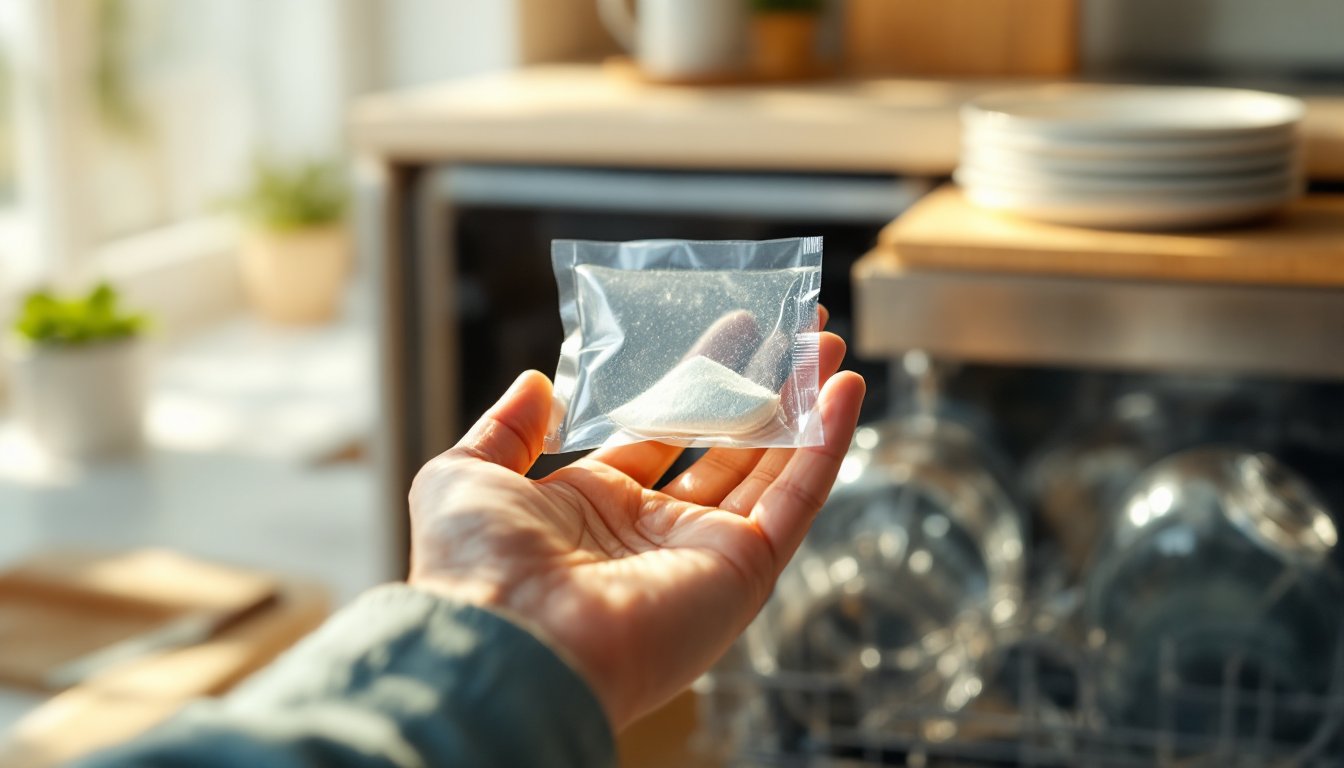
More homeowners are swapping conventional dishwasher detergents for natural alternatives, not just for environmental reasons, but because they’re tired of mystery residue on glassware and synthetic fragrances clinging to plates. Natural dishwasher pods use plant-based surfactants and mineral cleaners instead of phosphates, chlorine bleach, and artificial dyes. They’re designed to cut grease, tackle baked-on food, and rinse clean without leaving chemical traces. Whether you’re renovating a kitchen with sustainability in mind or simply looking to reduce household toxins, understanding what’s in these pods, and how to use them effectively, makes all the difference. This guide breaks down ingredients, performance tips, and even a DIY recipe for the budget-conscious.
Table of Contents
ToggleKey Takeaways
- Natural dishwasher pods use plant-based surfactants and enzymes instead of phosphates and synthetic chemicals, making them safer for septic systems and reducing chemical residue on dishes.
- Look for key ingredients like sodium coco-sulfate, protease and amylase enzymes, oxygen bleach, and citric acid—while avoiding phosphates, chlorine bleach, and synthetic fragrances with third-party certifications like EPA Safer Choice.
- Water hardness is critical: test your water with a TDS meter, and if hardness exceeds 120 ppm, prioritize natural dishwasher pods with sodium citrate or add a separate water softener to prevent mineral buildup.
- Maximize cleaning performance by running hot water first, using the correct cycle for soil level, adding rinse aid in hard-water areas, and avoiding pre-rinsing so enzymes have organic matter to activate.
- DIY natural dishwasher pods cost just $0.08–$0.12 per load and give you complete ingredient control, though they should be used within 3 months and may struggle with heavily baked-on food compared to commercial options.
- Natural pods excel at everyday cleaning but underperform on heavily burnt or caramelized dishes, making pre-soaking or a second wash cycle necessary for tough baked-on food.
What Are Natural Dishwasher Pods and Why Make the Switch?
Natural dishwasher pods are pre-measured detergent capsules made from biodegradable, plant-derived ingredients. Unlike conventional pods that rely on synthetic surfactants, phosphates, and optical brighteners, natural versions use enzymes like protease and amylase to break down proteins and starches, along with citric acid or sodium carbonate for water softening.
The switch matters for three reasons. First, phosphates, common in older formulas, fuel algae blooms when they enter waterways. Second, synthetic fragrances and dyes can irritate skin or trigger respiratory sensitivities, especially in homes with kids or pets. Third, the polyvinyl alcohol (PVA) film used in most pods dissolves in water, but natural brands often use PVA that’s certified biodegradable under stricter standards like OECD 301B, meaning it breaks down faster in wastewater treatment.
Homeowners renovating kitchens often pair natural pods with low-flow or energy-efficient dishwashers. Modern machines use less water and lower temperatures, which means the detergent has to work harder. Natural pods formulated for these conditions include builder salts like sodium citrate to prevent mineral buildup on heating elements, a common issue in hard-water areas.
If you’re dealing with an older dishwasher (pre-2013), check the manufacturer’s manual. Some older models require higher detergent volumes or hotter water to rinse effectively. Natural pods can still work, but you may need to run a rinse-aid cycle or adjust your water heater to 120°F minimum.
Key Ingredients to Look for in Natural Dishwasher Pods
Not all “natural” labels mean the same thing. Here’s what to scan for, and what to avoid, on ingredient lists.
Plant-Based Surfactants: Look for sodium coco-sulfate or decyl glucoside. These break surface tension so water can penetrate grease. They’re derived from coconut or corn, not petroleum.
Enzymes: Protease handles protein (egg, cheese), amylase targets starches (pasta, oatmeal), and lipase cuts through fats. Quality pods include all three. Enzymes work best in warm water (110°F–140°F), so if your heater’s set low, boost it slightly.
Oxygen Bleach: Sodium percarbonate releases hydrogen peroxide when wet, lifting stains without chlorine’s harshness. It’s safe for septic systems and won’t corrode stainless steel interiors.
Citric Acid or Sodium Citrate: These soften hard water by binding calcium and magnesium. Without them, mineral deposits cloud glassware and clog spray arms. In areas with water hardness above 180 ppm, use a rinse aid even with natural pods.
What to Avoid: Skip pods with phosphates (banned in many states but still legal in some), chlorine bleach (corrosive and produces harmful fumes when mixed with acids), synthetic fragrances (often contain phthalates), and dyes (serve no cleaning purpose and can stain plastics).
Some brands list “proprietary enzyme blend” without specifics. That’s a yellow flag, transparency matters. Third-party certifications like EPA Safer Choice or USDA BioPreferred verify ingredient claims and biodegradability.
Top Benefits of Using Natural Dishwasher Pods in Your Home
Safer for Septic Systems: Natural pods break down without disrupting bacterial colonies in septic tanks. Conventional detergents containing antibacterial agents or high pH builders can kill beneficial microbes, leading to slower decomposition and costly pumping.
Reduced Chemical Residue: Homes with well water or older plumbing sometimes see detergent buildup on dishes. Natural formulas rinse cleaner because they lack optical brighteners (which coat surfaces to fake a shine) and excess fillers.
Less Hard-Water Scaling: The citric acid in natural pods prevents the white film that forms when minerals in hard water react with phosphates. This extends the life of your dishwasher’s heating element and spray jets. If you’re installing a new dishwasher during a kitchen remodel, pairing it with natural pods from day one keeps components cleaner longer.
Lower Environmental Impact: Plant-based surfactants biodegrade in days, not months. If you’re on a home improvement journey that includes water conservation or graywater systems, natural pods won’t introduce toxins into irrigation lines.
Gentler on Hands and Airways: Even though pods dissolve in the machine, handling them exposes you to residue. Natural versions are less likely to cause contact dermatitis or trigger asthma. This matters if you’re doing a lot of post-renovation cleanup, paint dust and drywall particles are already hard on lungs.
Performance Caveat: Natural pods excel at everyday grime but can struggle with heavily baked-on casseroles or burnt pans. Pre-rinsing or soaking helps. If you regularly roast at high temps or cook with caramelized sugars, you might need a second wash cycle or a manual scrub on the worst offenders.
How to Choose the Best Natural Dishwasher Pods for Your Needs
Start with your water hardness. Test it with a TDS meter (available for under $20) or request a report from your municipal supplier. If hardness exceeds 120 ppm, prioritize pods with sodium citrate or add a separate water softener to your system.
Next, match the pod to your dishwasher type. High-efficiency (HE) models use 3–5 gallons per cycle and lower temps, so they need concentrated detergents. Look for pods labeled “HE-compatible” or “low-water formula.” Older, non-HE machines can handle standard pods, but you may need to increase the water heater setting.
Check for dual-chamber pods. These separate enzymes from oxygen bleach until the wash cycle starts, preventing premature reactions. Single-chamber pods are fine for light loads but may underperform on greasy skillets.
Certifications to trust: EPA Safer Choice screens for toxicity and environmental impact, Leaping Bunny confirms no animal testing, and USDA BioPreferred verifies renewable content. Some brands also carry EU Ecolabel or Nordic Swan, which have stricter biodegradability standards than U.S. labels.
Fragrance preference matters. “Fragrance-free” means no added scent, but enzymes and citric acid have a faint smell. “Unscented” usually means masking agents were added to neutralize odors, still natural, but not scent-free. If you’re sensitive, go fragrance-free.
Budget-wise, natural pods run $0.25–$0.60 per load versus $0.10–$0.30 for conventional brands. Buying in bulk (50–100 count) cuts cost. Some homeowners alternate: natural pods for daily dishes, conventional for post-party marathons. Testing top-rated dishwasher tablets can help narrow choices based on performance and value.
DIY Natural Dishwasher Pod Recipe for Budget-Conscious Homeowners
Homemade pods cost $0.08–$0.12 per load and let you control every ingredient. This recipe makes about 30 pods. You’ll need:
Ingredients:
• 1 cup washing soda (sodium carbonate, not baking soda, buy it in the laundry aisle or bake baking soda at 400°F for 1 hour to convert it)
• 1 cup borax (optional but boosts cleaning power: skip if you have sensitivities)
• ½ cup citric acid (find it in canning sections or bulk bins)
• ½ cup kosher salt (prevents clumping and acts as a mild abrasive)
• 10–15 drops essential oil (optional: lemon or eucalyptus work well)
Tools:
• Mixing bowl (glass or stainless, citric acid can react with aluminum)
• Spray bottle with water
• Silicone ice cube tray or candy molds
• Gloves (washing soda and borax are alkaline: avoid skin contact)
Steps:
-
Mix dry ingredients: Combine washing soda, borax, citric acid, and salt in the bowl. Stir thoroughly with a wooden spoon.
-
Add scent: If using essential oil, add it now and mix again.
-
Mist with water: Lightly spray the mixture 3–5 times, stirring between each spray. You want a damp sand consistency, it should clump when squeezed but not turn into a paste. Too much water triggers the citric acid prematurely, creating fizz.
-
Pack into molds: Press firmly into each cavity. Overfill slightly, then scrape flat with a butter knife.
-
Dry for 24 hours: Leave molds in a dry, well-ventilated spot (not a humid basement). Once hardened, pop out the pods and store in an airtight container. Label it clearly, keep away from kids and pets.
Usage: Use one pod per load. Place it in the detergent compartment, not the bottom of the dishwasher (where it might dissolve during pre-rinse). Add white vinegar to the rinse-aid dispenser for extra shine.
Caution: Homemade pods lack commercial stabilizers, so they can crumble or clump over time. Use within 3 months. If you have very hard water, this recipe may leave spots, commercial natural pods include chelating agents DIY versions can’t replicate.
Tips for Maximizing Cleaning Performance with Natural Pods
Load the dishwasher correctly. Angle dishes downward so water drains, and avoid nesting bowls or overlapping plates. Block spray arms and you’ve wasted a pod.
Scrape, don’t rinse. Remove large food chunks, but skip pre-rinsing, enzymes in natural pods need organic matter to activate. Excessive rinsing also means the machine’s sensor thinks dishes are clean and shortens the cycle.
Run hot water first. Before starting the dishwasher, turn on the kitchen faucet until water runs hot. This primes the line so the machine gets hot water immediately, boosting enzyme activity.
Use the right cycle. “Normal” works for everyday dishes. “Heavy” or “Pots & Pans” extends wash time and raises temperature, essential if you’re tackling baked-on grease. “Eco” saves energy but uses lower temps and longer times: it’s effective for lightly soiled loads.
Add a rinse aid. Even natural pods benefit from rinse aid, especially in hard-water areas. White vinegar works in a pinch (fill the rinse-aid dispenser), but it can degrade rubber gaskets over time. Natural commercial rinse aids use citric acid and plant alcohols, safer for seals.
Clean the filter monthly. Most dishwashers have a removable filter at the bottom. Rinse it under hot water and scrub with a soft brush. Clogged filters reduce water pressure and leave food particles on dishes.
Descale quarterly. Run an empty cycle with 1 cup white vinegar placed in a dishwasher-safe bowl on the top rack. This dissolves mineral buildup on spray arms and the heating element. In very hard-water zones, do this monthly.
Check water temp. Natural pods work best at 120°F–140°F. If dishes come out spotty or greasy, measure your water heater’s output with a thermometer and adjust accordingly.
Don’t overload. Cramming dishes blocks water flow and detergent dispersion. If you’re doing a large post-project cleanup, say, after organizing your kitchen, run two loads instead of one overstuffed cycle.
Conclusion
Natural dishwasher pods deliver solid cleaning performance without the environmental and health trade-offs of conventional detergents. They work best when matched to your water hardness, dishwasher type, and loading habits. For homeowners willing to invest a little time, the DIY route offers significant savings. Either way, understanding ingredients and optimizing your wash routine ensures spotless dishes and a longer-lasting machine.