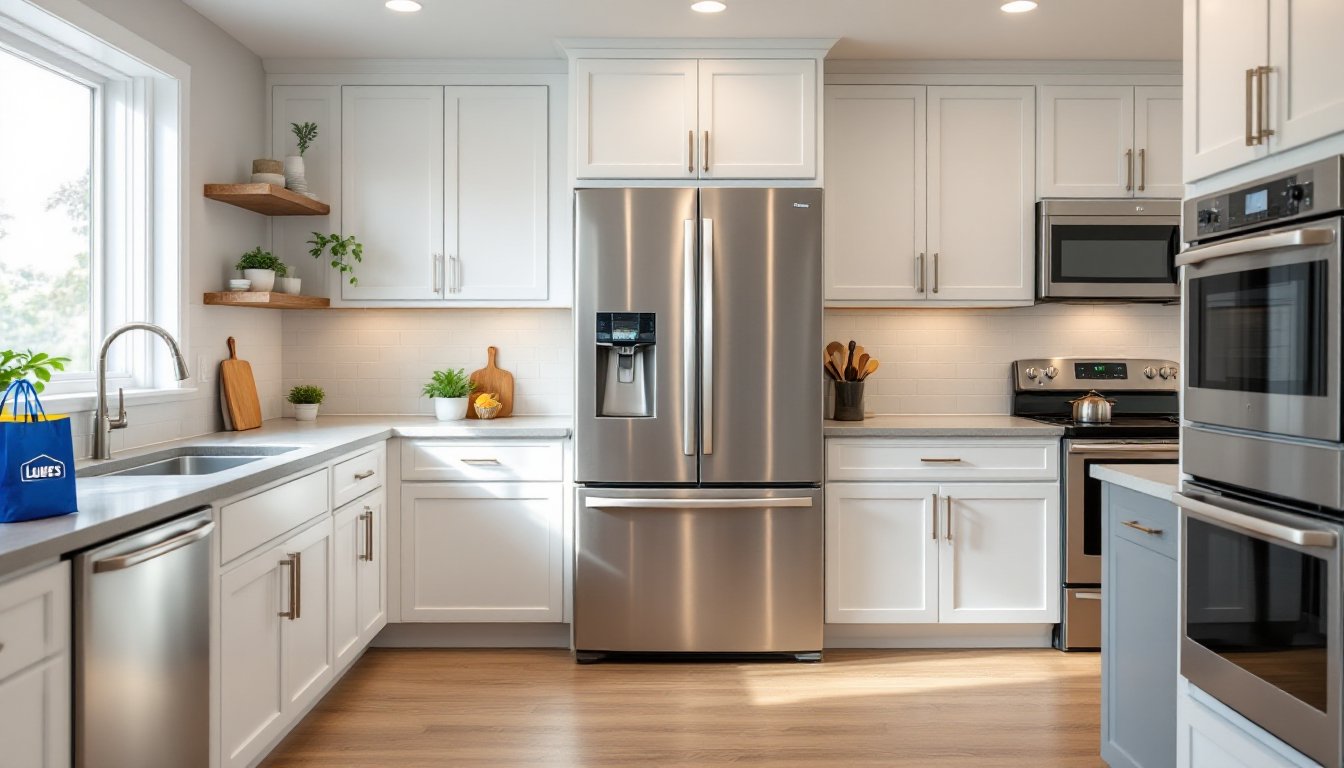
Shopping for a new refrigerator means navigating dozens of models, configurations, and features, and if you’re eyeing GE appliances at Lowe’s, you’re looking at one of the most reliable pairings in the home appliance market. GE has built a reputation for durable, well-engineered refrigerators that balance functionality with modern conveniences, while Lowe’s offers competitive pricing, solid delivery options, and warranty support that matters when you’re hauling a 300-pound appliance into your kitchen. Whether you’re replacing a decades-old unit or upgrading to smart features and better energy efficiency, understanding what’s available in 2026 helps you make a choice that fits your space, budget, and daily use.
Table of Contents
ToggleKey Takeaways
- GE refrigerators at Lowe’s offer reliable mid-tier pricing with Energy Star certification that can save $50–$100 annually on electricity costs compared to older units.
- Lowe’s price-matching policy and seasonal promotions (up to 20% off during major holidays) make GE refrigerator purchases more affordable, especially when bundling with other kitchen appliances.
- French door models dominate the market for families, while side-by-side options suit narrow kitchens and top-freezer models provide budget-friendly reliability for garages or rentals.
- Counter-depth GE refrigerators offer a flush kitchen aesthetic but sacrifice 3–5 cubic feet of capacity, so measure your space carefully and account for proper door swing clearance before purchasing.
- Lowe’s full-service delivery and installation ($100–$200 extra) includes haul-away, leveling, and water line connection, which is worth the investment to avoid compressor damage from improper installation.
- Extended warranty plans through Lowe’s are worthwhile for high-end Café models with smart features, covering repairs beyond GE’s one-year limited and five-year sealed system warranty.
Why Choose a GE Refrigerator from Lowe’s?
GE refrigerators offer a strong middle ground: they’re not luxury-tier pricing, but they’re engineered with features and build quality that outpace budget brands. You’ll find Energy Star-certified models across most lines, which can shave $50–$100 off annual electricity costs compared to older units. GE’s compressor warranties typically run 10 years, and their customer service network is extensive, parts and technicians are easier to source than for niche brands.
Lowe’s stocks a wider GE selection than most big-box competitors, including exclusive finishes like slate and black stainless steel that aren’t always available through other retailers. Their delivery and installation services are straightforward: you can schedule haul-away of your old unit, and installers will level the new fridge and check door swing clearance. Lowe’s also runs seasonal promotions: shoppers who time purchases around major holidays can find Presidents’ Day appliance sales offering discounts up to 20% on GE models.
Another advantage: Lowe’s price-matching policy. If you spot a lower advertised price on an identical model at a competing retailer, they’ll match it, just bring proof before purchase. For DIYers managing a full kitchen remodel, bundling a GE refrigerator with a range or dishwasher can unlock package discounts and streamline delivery timing.
Top GE Refrigerator Models Available at Lowe’s in 2026
French Door Models
French door refrigerators dominate sales for good reason: wide shelves, eye-level fresh food access, and a bottom freezer that keeps frozen goods out of the way. GE’s Profile series is a popular mid-tier option, offering hands-free autofill dispensers (hold a pitcher under the spout and a sensor fills it), LED lighting, and adjustable door bins that accommodate gallon containers. Capacity typically ranges from 22 to 27 cubic feet, suitable for families of four or more.
The GE Café line steps up with custom hardware (brushed bronze, copper, or stainless handles), hot water dispensers integrated into the door (great for tea or oatmeal without firing up the kettle), and dual evaporators that manage humidity separately in fridge and freezer compartments, this reduces freezer burn and keeps produce crisp longer. Expect to pay a 15–25% premium over Profile models for these upgrades.
For smart home integration, the GE Profile with built-in WiFi connects to Alexa and Google Assistant. You can adjust temperature remotely, receive door-open alerts, and run diagnostics through the SmartHQ app. These features aren’t gimmicks if you’re already managing other connected appliances: centralized control through one app simplifies daily routines.
Side-by-Side and Top-Freezer Options
Side-by-side models work well in narrow kitchens where a wide French door swing would block traffic. GE’s 33-inch-wide units fit standard openings and still deliver 25+ cubic feet of storage. The split design gives you full-height access to both fresh and frozen sections, and most include through-the-door ice and water dispensers. Trade-off: shelf width is limited, so fitting wide platters or pizza boxes requires creative Tetris.
Top-freezer refrigerators are the budget-friendly workhorses. GE’s 30-inch models start around $700–$900 and deliver 18–21 cubic feet of capacity with minimal frills, no water dispenser, no WiFi, just solid refrigeration. These are ideal for garages, basement kitchens, or rentals where you need reliable cooling without overspending. They’re also easier to service: top-freezer compressors tend to have fewer complex components than multi-zone systems.
If you’re working on a full kitchen makeover and need guidance on layout planning, resources like The Kitchn offer practical advice on appliance placement and workflow optimization.
Key Features to Consider When Shopping for Your GE Refrigerator
Energy efficiency should top your checklist. Energy Star models use about 15% less energy than non-certified units. Check the yellow EnergyGuide label for estimated annual operating cost: a good benchmark is under $50/year for a 25-cubic-foot model.
Adjustable shelving matters more than you’d think. Spill-proof glass shelves with slide-out or fold-up sections let you reconfigure space for tall pitchers or sheet cakes. GE’s TwinChill evaporators (found on higher-end models) maintain separate climates in fridge and freezer, which prevents odor transfer and keeps ice from absorbing food smells.
Ice and water dispensers are convenient but add maintenance. External dispensers require a water line hookup, if your kitchen doesn’t have one, you’ll need a plumber or a DIY install using a saddle valve tapped into a cold water supply (check local codes: some jurisdictions prohibit saddle valves). Internal dispensers (inside the fridge door) save exterior space and reduce fingerprints on the door, but you lose some shelf depth.
Finish options impact both aesthetics and upkeep. Stainless steel shows fingerprints but wipes clean. Fingerprint-resistant stainless (GE’s standard on many models) has a coating that resists smudges, it works, though you’ll still need occasional cleaning. Slate is a matte gray finish that hides prints better than any stainless variant. Black stainless is dramatic but scratches more visibly than traditional stainless: touch-up pens are available but don’t perfectly match.
Noise level is often overlooked. GE lists decibel ratings in specs: anything under 42 dB is considered quiet. If your kitchen opens to a living area, a quieter compressor and fan matter during evening hours.
How to Choose the Right Size and Configuration for Your Kitchen
Measure your existing space before you shop, not just the opening width, but also depth and height, including any overhead cabinets or soffits. Standard counter depth is 24–25 inches, but refrigerators typically project 30–34 inches from the wall. If you want a flush look, you’ll need a counter-depth model, which sacrifices about 3–5 cubic feet of capacity but integrates cleanly with cabinetry.
Door swing clearance is critical. A French door needs about 90 degrees of swing to fully open crisper drawers: measure adjacent walls, islands, and high-traffic zones. If space is tight, consider a side-by-side or a model with a door-in-door feature (a smaller outer door that accesses frequently used items without swinging the main door wide).
Height matters for delivery and fit. Most GE refrigerators range from 67 to 70 inches tall. If you’re replacing an older unit that sat under a soffit or cabinet, measure from the floor to the underside of that obstruction and leave 1 inch of clearance for ventilation and leveling adjustments. Delivery teams can remove doors to gain an extra inch or two, but that’s a hassle you’d rather avoid.
Electrical requirements are straightforward, most refrigerators run on a standard 115V/15A circuit. But, if you’re adding features like a hot water dispenser or an ice maker, confirm your circuit can handle the load. If you’re rewiring or running a new circuit, consult the National Electrical Code (NEC) or hire a licensed electrician: some jurisdictions require permits for new appliance circuits.
For broader guidance on home maintenance and appliance selection, Today’s Homeowner provides seasonal checklists and product reviews tailored to homeowner needs.
Installation, Delivery, and Warranty Options at Lowe’s
Lowe’s offers basic delivery (they drop the fridge in your garage or entryway) or full-service delivery and installation, which includes haul-away of your old unit, unboxing, leveling, and connecting water lines if needed. Full-service typically adds $100–$200 to your total but saves the back-breaking work of maneuvering a 300-pound appliance through doorways and around corners.
Before delivery day, clear a path. Remove door trim or baseboards if clearances are tight, most delivery teams won’t modify your home to fit an appliance. If you’re in a multi-story home, confirm the team is equipped for stairs: some third-party delivery contractors charge extra for second-floor installations.
Leveling the refrigerator is non-negotiable. An unlevel fridge won’t seal properly, causing the compressor to overwork and shortening its lifespan. Use a 4-foot level across the top and adjust the front leveling legs (usually accessible from the front kick plate) until you achieve a slight backward tilt, this ensures doors swing closed on their own. Aim for about 1/4 inch higher in the back than the front.
Water line installation requires either a braided stainless steel line or copper tubing running from your cold water supply to the fridge. If you’re DIYing this, shut off the main water supply, use a saddle valve or compression tee, and run 1/4-inch tubing to the fridge’s inlet valve (typically located at the back, lower left). Check for leaks before pushing the unit into place.
GE’s limited warranty covers parts and labor for one year from purchase, with an extended five-year sealed system warranty (compressor, condenser, evaporator). Lowe’s also offers extended protection plans for an additional fee: these cover repairs beyond the manufacturer’s warranty and include in-home service calls. If you’re installing a high-end Café model with complex smart features, an extended plan can be worth the investment.
Safety reminder: When moving or installing a refrigerator, wear work gloves to protect hands from sharp edges and steel-toe boots if you’re handling the unit yourself. Never tip a fridge more than 45 degrees, compressor oil can flow into the cooling lines, requiring a 24-hour upright rest before powering on.