Bath examples can transform a simple renovation into a stunning result. Whether someone is planning a full remodel or seeking fresh inspiration, the right bath design sets the tone for the entire space. From sleek modern layouts to cozy traditional setups, today’s bath options fit every taste and budget.
This guide explores a range of bath examples that work across different styles and room sizes. Readers will find practical ideas for minimalist designs, classic looks, compact spaces, and spa-like retreats. By the end, picking the perfect bath style becomes a much clearer decision.
Table of Contents
ToggleKey Takeaways
- Bath examples range from modern minimalist to luxury spa-inspired designs, offering options for every taste and budget.
- Small bath examples maximize limited space with corner fixtures, glass shower doors, and light color palettes that create the illusion of more room.
- Traditional bath styles feature timeless elements like clawfoot tubs, pedestal sinks, and subway tile that age gracefully over time.
- Luxury spa-inspired baths incorporate heated floors, rainfall showerheads, and natural stone to bring the relaxation experience home.
- Choosing the right bath style depends on your budget, available space, lifestyle needs, and how long you plan to stay in the home.
- Browsing showrooms and saving photos of favorite bath examples helps identify consistent style preferences before starting a renovation.
Modern Minimalist Bath Designs
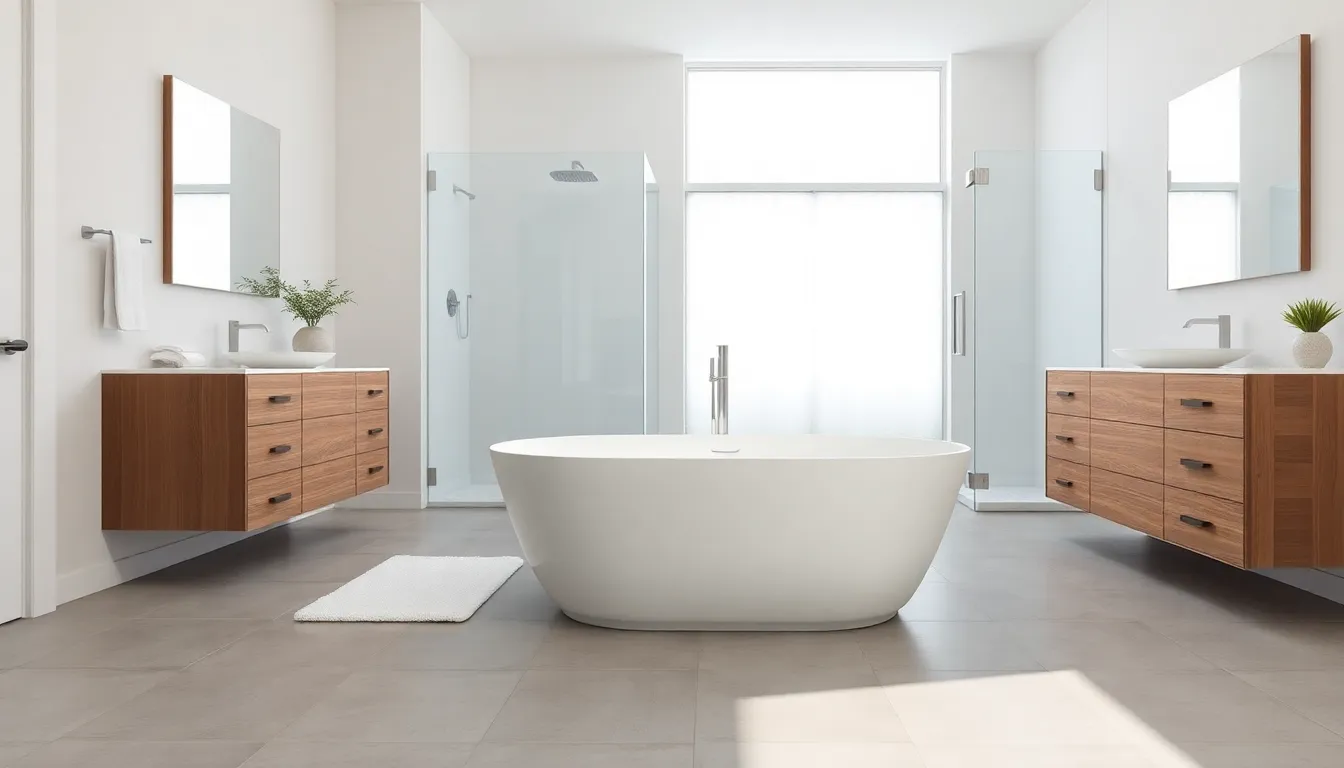
Modern minimalist bath examples focus on clean lines, neutral colors, and clutter-free surfaces. This style strips away unnecessary details and highlights function alongside form.
Popular features in minimalist baths include:
- Floating vanities that create visual space beneath the sink
- Frameless glass shower enclosures for an open, airy feel
- Wall-mounted faucets that keep countertops clear
- Matte black or brushed nickel fixtures for subtle contrast
Color palettes tend toward whites, grays, and soft earth tones. Large-format tiles with minimal grout lines reinforce the streamlined aesthetic. Lighting plays a key role too, recessed fixtures and LED strips add warmth without visual clutter.
Storage stays hidden in minimalist bath examples. Built-in niches in showers hold toiletries. Medicine cabinets sit flush with the wall. Drawers replace open shelving. The goal? Everything has a place, and nothing sits out.
This style suits homeowners who prefer a calm, uncluttered environment. It also works well in smaller spaces because the open design tricks the eye into seeing more room.
Traditional and Classic Bath Styles
Traditional bath examples draw from timeless design principles. Think pedestal sinks, clawfoot tubs, and decorative molding. These spaces feel warm, elegant, and lived-in.
Key elements of classic bath designs include:
- Clawfoot or freestanding soaking tubs as a centerpiece
- Pedestal sinks with vintage-style faucets
- Wainscoting or beadboard paneling on lower walls
- Framed mirrors with ornate or simple wood borders
- Polished chrome or brass hardware for an authentic look
Traditional bath examples often feature subway tile, hexagonal floor mosaics, and marble countertops. These materials have staying power, they looked good a century ago and still do today.
Color choices lean toward creams, soft blues, sage greens, and classic white. Patterned wallpaper can add personality without overwhelming the space. Crystal or frosted glass light fixtures complete the look.
This style appeals to those who value craftsmanship and character. Traditional baths feel substantial and permanent. They age gracefully, which makes them a smart long-term investment.
Small Bathroom Solutions That Maximize Space
Small bath examples prove that limited square footage doesn’t mean limited style. Smart planning turns tight spaces into functional, attractive rooms.
Space-saving strategies include:
- Corner sinks and toilets that free up floor area
- Pocket doors or barn doors that don’t swing into the room
- Wall-mounted toilets with concealed tanks
- Shower-tub combos that serve dual purposes
- Vertical storage using tall, narrow cabinets or open shelving
Light colors expand a small bath visually. White, pale gray, and soft pastels reflect light and make walls feel farther apart. Large mirrors amplify this effect, they bounce light and create the illusion of depth.
Glass shower doors beat shower curtains in small bath examples. Curtains block sightlines and visually chop up the space. Clear glass lets the eye travel through the entire room.
Recessed shelving inside showers and above toilets captures otherwise wasted space. Even a few inches of depth can hold soap, towels, or toiletries.
The best small bath examples prioritize every inch. They combine clever storage, light colors, and open sightlines to create rooms that feel bigger than their measurements suggest.
Luxury Spa-Inspired Bath Features
Luxury bath examples bring the spa experience home. These designs emphasize relaxation, high-end materials, and sensory details.
Common features in spa-inspired baths:
- Freestanding soaking tubs positioned as focal points
- Rainfall showerheads and body jets for an immersive shower
- Heated floors that eliminate cold tile shock
- Steam showers with built-in seating
- Natural stone surfaces like marble, travertine, or slate
Lighting sets the mood in luxury bath examples. Dimmable fixtures, candle-style sconces, and even chandeliers create ambiance. Some homeowners install chromotherapy lights that shift colors during a bath.
Texture matters too. Plush bath mats, thick towels, and teak accents add warmth. Plants, especially humidity-loving varieties like ferns and orchids, bring life into the space.
Sound systems and aromatherapy diffusers round out the experience. These extras might seem indulgent, but they turn an ordinary bath into a daily retreat.
Spa-inspired bath examples require larger budgets and more space. But for those who prioritize self-care at home, the investment pays off every single day.
Choosing the Right Bath Style for Your Home
Picking among bath examples depends on several factors: budget, space, lifestyle, and personal taste. A few questions help narrow down the options.
What’s the budget? Minimalist and traditional baths can work at various price points. Luxury spa baths typically cost more due to premium materials and fixtures.
How much space is available? Small bath examples work magic in tight quarters. Larger rooms can accommodate freestanding tubs and double vanities.
Who uses the bathroom? A family bath has different needs than a master suite. Kids need durability. Adults might want relaxation features.
What’s the home’s overall style? Bath examples should complement the rest of the house. A farmhouse kitchen pairs well with a traditional bath. A mid-century modern living room matches a minimalist design.
How long will you stay? If selling soon, neutral bath examples appeal to more buyers. Staying long-term? Personal preferences matter more.
Visit showrooms, browse magazines, and save photos of bath examples that catch attention. Patterns emerge quickly. Most people gravitate toward one or two styles consistently.
A designer or contractor can help bridge the gap between inspiration and execution. They translate favorite bath examples into realistic plans that fit the space and budget.