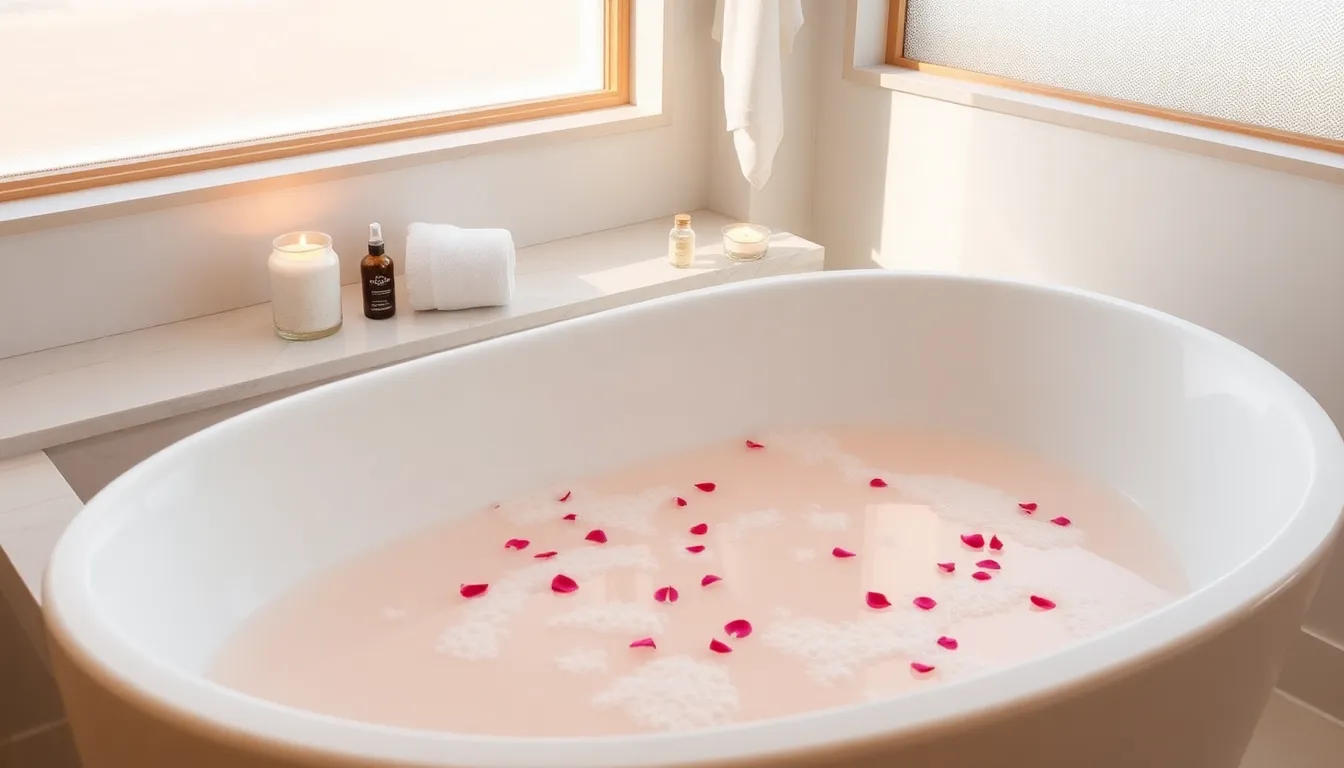
A bath for beginners might seem simple, but there’s actually an art to getting it right. Many people hop in the tub, splash around for a few minutes, and wonder why it doesn’t feel as luxurious as they expected. The truth? A great bath requires a bit of setup, the right temperature, and some basic know-how.
This guide covers everything first-timers need to know about taking a proper bath. From preparing the bathroom to post-soak skin care, each step matters. Whether someone wants to unwind after a long day or simply explore an alternative to quick showers, this bath for beginners guide will help them make the most of their tub time.
Table of Contents
ToggleKey Takeaways
- A bath for beginners starts with preparation—clean the tub, gather supplies, and set the mood with dim lighting and comfortable room temperature.
- Keep bathwater between 98°F and 104°F (37°C to 40°C) for optimal relaxation without overheating or dizziness.
- Enhance your bath with Epsom salts, bubble bath, or bath bombs, but always patch-test new products to avoid skin irritation.
- Limit bath time to 15–30 minutes to enjoy relaxation benefits without stripping your skin’s natural oils.
- Apply moisturizer within three minutes of exiting the tub to lock in hydration and keep skin soft.
- Drink water after your bath to rehydrate, as warm water causes sweating even when you don’t notice it.
Preparing Your Bathroom for a Proper Bath
A bath for beginners starts before anyone even turns on the faucet. The bathroom environment plays a huge role in how relaxing the experience feels.
First, clean the tub. Nobody wants to soak in yesterday’s soap scum. A quick wipe-down with a gentle cleanser removes residue and makes the whole experience more hygienic. Rinse thoroughly so no cleaning product remains.
Next, gather supplies within arm’s reach. This includes towels, a bathrobe, and any products planned for use. Getting out of a warm bath to grab a forgotten item ruins the mood fast.
Lighting matters more than most people realize. Harsh overhead lights create a clinical atmosphere. Consider dimming the lights or using candles instead. Battery-operated candles work well for those worried about open flames near water.
Temperature in the room should feel comfortable. A cold bathroom makes getting out of the tub miserable. If possible, turn up the heat slightly or use a small space heater (placed safely away from water) before bath time.
Some people enjoy background music or ambient sounds during their bath for beginners experience. A waterproof speaker or a phone placed at a safe distance can provide gentle audio without risk of water damage.
Choosing the Right Water Temperature
Water temperature can make or break a bath for beginners. Too hot feels uncomfortable and can actually stress the body. Too cold defeats the purpose entirely.
The ideal bath temperature ranges between 98°F and 104°F (37°C to 40°C). This range feels warm enough to relax muscles without overheating. A simple bath thermometer helps beginners find their sweet spot.
Hot water above 104°F causes blood vessels to dilate rapidly. This can lead to dizziness, especially when standing up to exit the tub. People with heart conditions or high blood pressure should consult a doctor before taking very warm baths.
Cold or lukewarm baths have their place too. During summer months, a bath around 90°F (32°C) can cool the body without shocking the system. Athletes sometimes use cool baths after intense workouts to reduce muscle inflammation.
For a bath for beginners, starting on the cooler end of the warm range makes sense. Someone can always add more hot water if needed. Starting too hot leaves no comfortable adjustment option.
The water should cover the body comfortably but not overflow. Fill the tub about two-thirds full before getting in to account for displacement.
Essential Bath Products to Enhance Your Experience
A bath for beginners doesn’t require fancy products, but a few basics can elevate the experience significantly.
Bath salts dissolve in warm water and contain minerals like magnesium. Epsom salt remains the most popular choice. It may help soothe sore muscles and soften skin. Use about one to two cups per bath.
Bubble bath adds fun and fragrance. Look for formulas without harsh sulfates, which can dry out skin. A small amount goes a long way, too much creates an overwhelming foam mountain.
Bath oils coat the skin and lock in moisture. They work best added after filling the tub, not while water runs. Oil makes surfaces slippery, so exercise caution when entering and exiting.
Bath bombs fizz and release colors, scents, and sometimes moisturizing ingredients. They’re great for a bath for beginners who want a sensory experience. One bomb per bath is typically sufficient.
Essential oils require careful use. Never apply them directly to skin without a carrier oil. Add three to five drops to the bathwater or mix with Epsom salt first. Lavender promotes relaxation. Eucalyptus clears sinuses.
Beginners should patch-test new products before adding them to a full bath. Some ingredients cause skin reactions. Apply a small amount to the inner forearm and wait 24 hours to check for irritation.
How Long Should Your Bath Last
Duration matters for any bath for beginners. Staying too long can actually harm the skin, while rushing defeats the relaxation purpose.
Most experts recommend 15 to 30 minutes as the ideal bath length. This gives enough time to unwind and let any bath products work without overdoing it.
Extended soaking beyond 30 minutes strips natural oils from the skin. The protective barrier breaks down, leaving skin dry and potentially irritated. Fingers and toes become wrinkled, a sign that skin is absorbing too much water.
For a bath for beginners focused on muscle relief, 20 minutes allows Epsom salts adequate time to work. Shorter baths of 10 to 15 minutes still provide benefits without the downsides of prolonged exposure.
People with eczema or very dry skin should limit baths to 10 to 15 minutes maximum. Longer soaks worsen these conditions.
Setting a timer prevents losing track of time. It’s easy to zone out in a warm bath, and suddenly 45 minutes have passed. A gentle alarm helps maintain healthy boundaries.
If the water cools before the desired time ends, drain some and add fresh hot water. This extends comfort without requiring a complete refill.
Post-Bath Care for Your Skin
What happens after exiting the tub matters as much as the bath itself. Proper post-bath care keeps skin healthy and extends that relaxed feeling.
Pat dry with a soft towel instead of rubbing vigorously. Rubbing irritates skin and removes more moisture than necessary. Gentle patting absorbs excess water while leaving some hydration on the surface.
Apply moisturizer within three minutes of getting out. This window is crucial for a bath for beginners to understand. Damp skin absorbs lotion better than completely dry skin. The moisturizer seals in remaining water and prevents the tight, dry feeling that often follows bathing.
Choose a fragrance-free moisturizer for sensitive skin. Those with normal skin can use scented options if preferred. Body butters and creams provide more hydration than lotions for very dry skin.
Don’t forget often-neglected areas: feet, elbows, and knees. These spots tend to dry out fastest after a bath for beginners and experienced bathers alike.
Drink a glass of water after the bath. Warm water causes sweating, even when it doesn’t feel like it. Rehydrating from the inside supports overall skin health.
Wait at least 30 minutes before applying any products with active ingredients like retinol or acids. Freshly bathed skin is more permeable and sensitive, which can lead to irritation from potent formulas.