A good bath does more than clean the body. It calms the mind, soothes tired muscles, and offers a genuine break from daily stress. This bath guide covers everything needed to transform an ordinary soak into a restorative ritual. From water temperature to post-bath skincare, each detail matters. Whether someone seeks relief from a long day or wants to establish a weekly self-care habit, this guide provides practical steps for creating the perfect bathing experience at home.
Table of Contents
ToggleKey Takeaways
- The ideal bath water temperature is 98°F to 104°F—test with your elbow for accuracy before getting in.
- This bath guide recommends soaking for 15 to 30 minutes to maximize relaxation without over-drying your skin.
- Epsom salts reduce muscle soreness, while bath oils and milk baths help lock in moisture during your soak.
- Create a spa-like atmosphere with soft lighting, calming sounds, and a warm bathroom to enhance your bathing experience.
- Apply moisturizer within three minutes of leaving the tub to lock in hydration while skin is still damp.
- Schedule baths before bed to take advantage of your body’s natural wind-down period for better sleep.
Choosing the Right Water Temperature
Water temperature sets the foundation for any bath guide advice. The ideal range falls between 98°F and 104°F (37°C to 40°C). This range mimics the body’s natural temperature while providing enough warmth to relax muscles.
Water that’s too hot causes problems. It strips natural oils from skin, lowers blood pressure too quickly, and can leave bathers feeling dizzy or drained. Water above 110°F poses real risks, especially for those with heart conditions or during pregnancy.
Water that’s too cool won’t deliver the relaxation benefits most people want. Lukewarm baths work well for cooling down after exercise or on hot days, but they don’t offer the same muscle-soothing effects.
A simple test works best: dip an elbow or forearm into the water before getting in. These areas give a more accurate read than hands, which tolerate heat better. The water should feel comfortably warm without any initial shock.
For those who want precision, bath thermometers cost under $15 and remove all guesswork. Many people find their sweet spot sits around 100°F, warm enough to relax but cool enough to stay in comfortably for 15 to 20 minutes.
Essential Bath Products and Additions
The right products elevate a basic bath into something special. This bath guide breaks down the most popular options and their benefits.
Bath Salts and Oils
Bath salts have been used for centuries, and for good reason. Epsom salt, which contains magnesium sulfate, helps reduce muscle soreness and may ease minor aches. Add one to two cups per bath for best results. Dead Sea salts contain multiple minerals and work well for skin conditions like eczema or psoriasis.
Bath oils serve a different purpose. They coat the skin during soaking, locking in moisture. Coconut oil, jojoba oil, and sweet almond oil all work well. A tablespoon or two is plenty, more creates a slippery tub surface.
Essential oils add scent and potential therapeutic benefits. Lavender promotes relaxation. Eucalyptus clears sinuses. Peppermint energizes. Always dilute essential oils in a carrier oil before adding them to bath water. Direct contact with concentrated essential oils can irritate skin.
Bubbles and Soaks
Bubble baths create that classic spa feel. Modern formulas contain gentler surfactants than older products, making them suitable for sensitive skin. Look for sulfate-free options if dryness is a concern.
Milk baths offer another option. The lactic acid in milk gently exfoliates while fats moisturize skin. Two cups of whole milk or a cup of powdered milk creates a softening soak.
Oatmeal baths help itchy, irritated skin. Colloidal oatmeal (finely ground) dissolves better than regular oats and won’t clog drains. Many drugstores sell pre-made oatmeal bath packets for convenience.
Setting the Perfect Atmosphere
Atmosphere transforms a bath from routine hygiene into genuine self-care. This bath guide recommends starting with lighting.
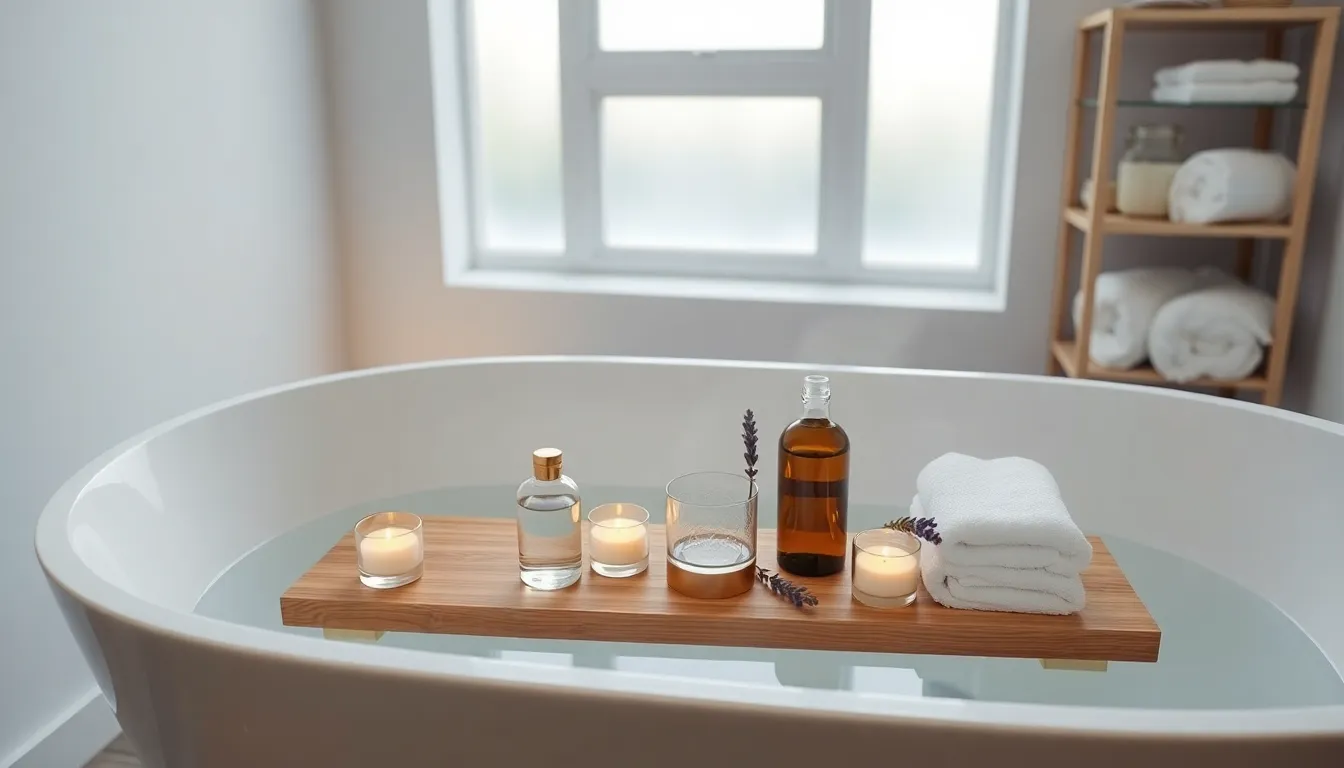
Overhead bathroom lights tend to be harsh. Candles create softer illumination and add a calming visual element. Battery-operated candles work for those concerned about fire safety. Dimmer switches offer another solution, they’re relatively easy to install and provide adjustable lighting.
Sound matters too. Complete silence works for some people. Others prefer background music, nature sounds, or guided meditations. Waterproof Bluetooth speakers designed for bathrooms cost between $20 and $50 and make audio easy.
Temperature in the bathroom itself affects comfort. A cold room makes getting in and out of a warm bath unpleasant. Running the hot water with the door closed for a few minutes before bathing creates steam and warms the space.
A few practical additions improve the experience: a bath pillow supports the neck, a waterproof book holder or tablet stand enables entertainment, and a small side table keeps drinks and skincare products within reach. Staying hydrated during a warm bath matters, keep water or herbal tea nearby.
How Long Should You Soak
Duration matters in any bath guide discussion. The sweet spot for most people falls between 15 and 30 minutes.
Shorter baths still offer benefits. Even 10 minutes of warm water immersion can lower stress hormones and ease muscle tension. Quick baths work well on busy days when time is limited.
Longer baths, beyond 30 minutes, start causing issues. Prolonged water exposure strips oils from skin, leading to dryness and irritation. Fingers and toes wrinkle as skin absorbs water, which weakens the skin barrier temporarily.
Water also cools during long soaks. Adding hot water extends bath time but increases overall water usage and can make the experience less consistent.
The body provides signals. Feeling overheated, lightheaded, or noticing significantly pruned skin all indicate it’s time to get out. Some bathers set a timer to avoid losing track of time, especially when reading or listening to music.
Frequency varies by individual. Daily baths suit some people, while others find that two or three per week provides maximum benefit without over-drying skin. Those with certain skin conditions should consult a dermatologist about ideal bath frequency.
Post-Bath Care Tips
What happens after a bath matters as much as the bath itself. This bath guide emphasizes proper post-soak care for lasting benefits.
Patting skin dry, rather than rubbing, preserves moisture and reduces irritation. Leaving skin slightly damp before applying moisturizer helps lock in hydration.
Moisturizer should go on within three minutes of leaving the tub. This timing takes advantage of the skin’s temporary permeability. Thicker creams and body butters work better than light lotions for post-bath application. Ingredients like hyaluronic acid, shea butter, and ceramides all support skin barrier function.
Don’t forget often-neglected areas: feet, elbows, and knees tend to dry out fastest. A dedicated foot cream addresses rougher skin in those spots.
Hydration from the inside helps too. Drinking a glass of water after bathing replaces fluids lost through sweating in warm water.
Clean the tub after draining. Bath oils and salts can leave residue that becomes slippery and attracts mildew. A quick wipe-down prevents buildup and keeps the tub ready for the next use.
Finally, rest if possible. The body continues to relax after leaving warm water. Scheduling baths before bed takes advantage of this natural wind-down period.