Bath strategies can transform an ordinary soak into a restorative experience. Many people rush through bathing without realizing its potential for stress relief, muscle recovery, and mental clarity. A well-planned bath routine offers more than cleanliness, it provides a dedicated space for self-care and relaxation.
This guide covers practical bath strategies that anyone can apply. From setting up the right environment to choosing optimal water temperatures, each step plays a role in maximizing the benefits of bath time. Whether someone seeks relief from a long workday or wants to improve their sleep quality, these strategies deliver real results.
Table of Contents
ToggleKey Takeaways
- Effective bath strategies start with preparing your environment—declutter the space, adjust lighting, and set out towels and skincare products in advance.
- Warm baths (92–100°F) promote relaxation and better sleep, while hot baths (100–104°F) help relieve sore muscles but require caution.
- Soak for 15–30 minutes to maximize bath benefits without drying out your skin or feeling overly fatigued.
- Enhance your bath with Epsom salt for muscle recovery, lavender oil for calm, or colloidal oatmeal for dry skin relief.
- Practice mindful bathing by leaving devices outside, focusing on deep breathing, and paying attention to physical sensations.
- Extend your relaxation by patting skin dry, applying moisturizer within three minutes, and transitioning slowly to other activities.
Preparing Your Ideal Bath Environment
The environment shapes the entire bathing experience. Before filling the tub, a few simple preparations can make a significant difference.
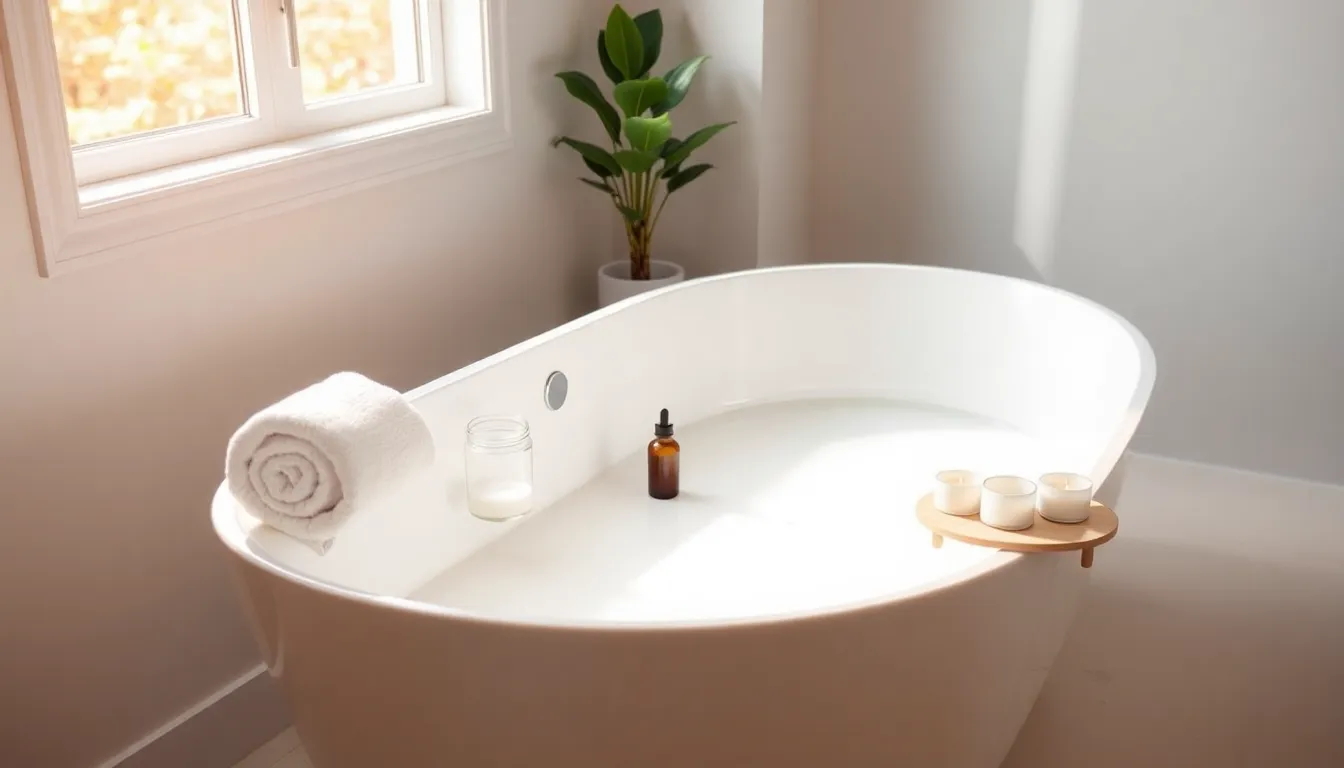
Declutter the space. Remove unnecessary items from the bathroom counter and tub edges. A clean, organized space helps the mind relax. Towels, toiletries, and other essentials should be within arm’s reach but not crowding the area.
Adjust the lighting. Harsh overhead lights can disrupt relaxation. Dimmer switches offer easy control, but candles remain a popular choice. Battery-operated LED candles work well for those concerned about open flames near water.
Control the temperature. The bathroom itself should feel warm before stepping into the tub. Running hot water for a minute fills the room with steam and raises the ambient temperature. Nobody wants to step out of a warm bath into a cold room.
Reduce noise. Close windows to block outside sounds. Some people enjoy soft music or nature sounds during their bath. Others prefer complete silence. Both approaches support effective bath strategies, the key is consistency with personal preferences.
Set out everything in advance. A bathrobe, fresh towel, and post-bath skincare products should be ready. This prevents the need to search for items while wet and cold, which can undo the relaxation achieved during the bath.
Choosing the Right Water Temperature and Duration
Water temperature directly affects how the body responds to bathing. Getting this right is central to any bath strategy.
Warm baths (92–100°F / 33–38°C) suit most people. This range promotes relaxation without overheating. Blood vessels dilate slightly, improving circulation and easing muscle tension. A warm bath before bed can lower core body temperature afterward, which signals the brain that it’s time to sleep.
Hot baths (100–104°F / 38–40°C) work well for sore muscles and joint stiffness. But, they require caution. Staying too long in hot water can cause dizziness, dehydration, or skin irritation. People with heart conditions or low blood pressure should consult a doctor before taking hot baths regularly.
Cool baths (below 85°F / 29°C) have their place too. Athletes use them for post-workout recovery. Cool water reduces inflammation and can boost alertness. But for relaxation purposes, warm temperatures remain the standard recommendation.
Duration matters. Most experts suggest 15–30 minutes as the sweet spot for bath strategies focused on relaxation. Shorter baths may not provide full benefits. Longer soaks can dry out the skin and leave bathers feeling tired rather than refreshed.
A simple thermometer removes guesswork from temperature selection. Many bath enthusiasts keep one near the tub for consistent results.
Enhancing Your Bath With Beneficial Additives
Plain water works fine, but additives can elevate bath strategies to another level. Each option offers specific benefits.
Epsom salt contains magnesium sulfate. The skin absorbs magnesium during soaking, which may reduce muscle cramps and promote relaxation. Two cups per standard bathtub is a common recommendation. People with kidney problems should check with their doctor first.
Essential oils add aromatherapy benefits. Lavender promotes calm and sleep. Eucalyptus clears sinuses and refreshes the mind. Peppermint energizes and soothes headaches. Always dilute essential oils in a carrier oil or mix them with bath salts before adding to water, direct application can irritate skin.
Oatmeal baths help with dry or irritated skin. Colloidal oatmeal (finely ground oats) creates a milky solution that soothes itching and adds moisture. This bath strategy works particularly well during winter months when skin tends to dry out.
Baking soda softens water and helps neutralize skin pH. It can relieve minor skin irritations and leave the body feeling smooth. Half a cup per bath is typically sufficient.
Bubble bath and bath bombs add fun and fragrance. They don’t offer the same therapeutic benefits as Epsom salt or oatmeal, but they enhance the sensory experience. Those with sensitive skin should choose fragrance-free options to avoid reactions.
Maximizing Relaxation Through Mindful Bathing Techniques
The mental component of bathing often gets overlooked. Incorporating mindfulness turns a simple soak into a powerful stress-relief tool.
Leave devices outside. Phones, tablets, and other screens distract from the present moment. They also pose safety risks near water. Committing to device-free bath time is one of the most impactful bath strategies available.
Practice deep breathing. Slow, deliberate breaths activate the parasympathetic nervous system. This triggers the body’s relaxation response. Try inhaling for four counts, holding for four, and exhaling for six. Repeat this pattern throughout the bath.
Focus on physical sensations. Notice the water’s warmth against the skin. Feel the support it provides. Pay attention to where tension exists in the body and consciously release it. This body-scan approach brings awareness to areas that need attention.
Use the time for reflection. Some people process their day during bath time. Others prefer to clear their minds completely. There’s no wrong approach, what matters is intentionality. A bath taken mindfully delivers greater benefits than one spent mentally reviewing tomorrow’s to-do list.
Consider a brief meditation. Even five minutes of focused breathing or guided meditation can compound the relaxation effects of warm water. Apps offer bath-specific meditations for those who want structure.
Post-Bath Care for Lasting Benefits
What happens after the bath determines how long the benefits last. Smart post-bath routines extend relaxation and protect the skin.
Pat dry, don’t rub. Rubbing with a towel irritates the skin and removes too much moisture. Gentle patting preserves the skin’s barrier and feels gentler on relaxed muscles.
Apply moisturizer immediately. Skin absorbs lotion best when slightly damp. Within three minutes of leaving the tub, apply a quality moisturizer to lock in hydration. This step matters especially for those who used hot water or bath additives that can dry the skin.
Drink water. Bathing causes mild fluid loss through sweating. A full glass of water helps rehydrate the body and prevents the headaches that sometimes follow hot baths.
Dress warmly. The body continues cooling after leaving warm water. Putting on comfortable, warm clothing prevents chills and maintains the cozy feeling. Many people keep a bathrobe specifically for this purpose.
Transition slowly. Jumping immediately into activities reverses the calm achieved during the bath. Spending even ten minutes reading, stretching, or sitting quietly helps preserve the relaxed state. This makes evening bath strategies particularly effective for improving sleep quality.