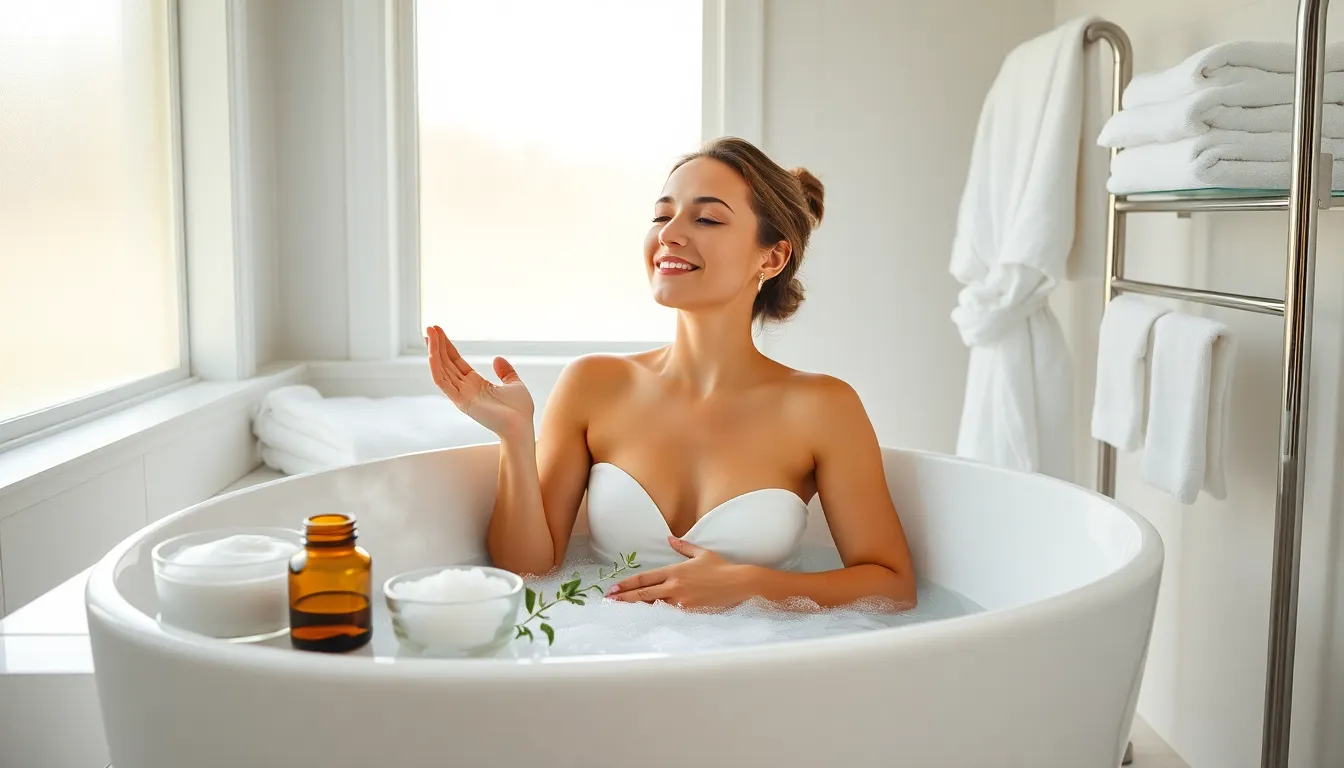
Bath techniques can transform an ordinary soak into a restorative ritual. The right approach helps muscles relax, skin soften, and stress melt away. Yet most people fill the tub, hop in, and hope for the best. That’s leaving benefits on the table.
This guide covers practical bath techniques that deliver real results. From water temperature to timing, from therapeutic soaking methods to natural additions, each element plays a role in how effective a bath can be. Whether someone seeks relief from sore muscles, better sleep, or simply a more enjoyable experience, these strategies make a noticeable difference.
Table of Contents
ToggleKey Takeaways
- Effective bath techniques start with preparation—clean the tub, gather supplies, and create a calming environment before you soak.
- Water temperature between 98°F and 104°F optimizes relaxation and muscle recovery, while soaking for 15-20 minutes delivers peak benefits without drying out skin.
- Adding Epsom salt, oatmeal, or essential oils (mixed with a carrier) can enhance bath techniques for muscle relaxation, skin soothing, or aromatherapy.
- Bathing 1-2 hours before bed raises and then lowers core body temperature, signaling the brain it’s time for sleep.
- Post-bath care matters—pat skin dry, apply moisturizer within three minutes, and stay warm to lock in the benefits.
- Consistency beats intensity: three 15-minute therapeutic baths per week often deliver better results than occasional long soaks.
Preparing Your Bath for Maximum Benefits
Good bath techniques start before the water even hits the tub. Preparation sets the stage for everything that follows.
First, clean the tub. Residue from previous baths or cleaning products can irritate skin and diminish the experience. A quick rinse removes any film.
Next, gather supplies beforehand. Towels, a robe, and any additions like salts or oils should be within arm’s reach. Getting out of a warm bath to grab a forgotten item breaks the relaxation response the body builds during soaking.
Consider the environment too. Dim lighting or candles reduce visual stimulation. Soft music or silence, depending on preference, helps the mind settle. Some people find that removing phones from the bathroom eliminates the temptation to scroll, which defeats the purpose of the soak.
A pre-bath shower makes sense for some bath techniques. Rinsing off before entering the tub keeps the water cleaner and allows therapeutic additions to work directly on skin rather than through a layer of daily grime.
Finally, hydrate. Warm baths can cause sweating, even if it’s not obvious. Drinking water before and after prevents dehydration headaches.
Temperature and Timing Considerations
Water temperature dramatically affects which bath techniques work best and what benefits they deliver.
For relaxation and sleep, water between 98°F and 102°F (37°C to 39°C) works well. This range raises core body temperature slightly. When someone exits the bath, their body temperature drops, signaling the brain that it’s time for sleep. Research published in Sleep Medicine Reviews found that bathing 1-2 hours before bed can improve sleep quality significantly.
For muscle recovery after exercise, slightly warmer water around 100°F to 104°F (38°C to 40°C) increases blood flow to tired muscles. This helps clear metabolic waste and delivers nutrients for repair.
Cold baths serve different purposes. Athletes use water between 50°F and 59°F (10°C to 15°C) to reduce inflammation after intense training. These aren’t relaxing, but they’re effective for recovery.
Timing matters as much as temperature. Most bath techniques deliver peak benefits in 15-20 minutes. Soaking longer than 30 minutes can dry out skin by stripping natural oils. For therapeutic purposes, 20 minutes hits the sweet spot, long enough for the body to respond, short enough to avoid overcooking.
Water cools over time. Adding hot water periodically maintains the desired temperature. Some people run the hot tap near their feet, creating a gentle current that distributes heat evenly.
Therapeutic Soaking Methods
Different bath techniques target different needs. Choosing the right approach depends on what someone wants to achieve.
Contrast bathing alternates between warm and cool water. This technique improves circulation by causing blood vessels to dilate and constrict repeatedly. Some people achieve this by ending a warm bath with a cool shower. Athletes often use contrast bathing for recovery.
Hydrotherapy jets, when available, provide massage-like pressure to specific muscle groups. Positioning sore areas against jets for several minutes can release tension that stretching alone doesn’t address.
Flotation techniques involve adding enough salt (Epsom or Dead Sea) to increase water density. The body floats more easily, reducing pressure on joints and the spine. This approach benefits people with chronic pain conditions or those recovering from injuries.
Mindful soaking combines bath techniques with breathing exercises. Slow, deep breaths while in warm water activate the parasympathetic nervous system, the body’s rest-and-digest mode. Focus on the sensation of water against skin, the warmth spreading through muscles, and the rhythm of breathing.
Partial immersion works when full baths aren’t possible or desired. A foot bath at 100°F to 104°F can still promote relaxation and improve circulation to the lower body. Hip baths (sitz baths) target the pelvic region and offer relief for certain conditions.
Enhancing Your Bath With Natural Additions
The right additions amplify the effects of good bath techniques. Natural options work well and avoid the synthetic fragrances that irritate some people.
Epsom salt (magnesium sulfate) remains the most popular bath addition. The magnesium absorbs through skin and may help relax muscles. Use 1-2 cups per standard bath. People with kidney problems should check with a doctor first.
Oatmeal soothes irritated or itchy skin. Colloidal oatmeal, finely ground so it suspends in water, works best. It’s particularly helpful for eczema, sunburn, or dry winter skin.
Baking soda softens water and can help with skin conditions. About half a cup per bath changes the water’s pH slightly, making it gentler on sensitive skin.
Essential oils require careful use. They don’t dissolve in water, so adding them directly creates floating oil that can irritate skin. Mix a few drops with a carrier oil or Epsom salt before adding. Lavender promotes relaxation. Eucalyptus opens airways. Peppermint energizes.
Honey contains natural antibacterial properties and acts as a humectant, drawing moisture into skin. Two tablespoons in a bath leaves skin soft.
Green tea bags add antioxidants to bath water. The polyphenols may benefit skin health, and the mild caffeine content can reduce puffiness.
These additions enhance bath techniques without requiring expensive products. Most are already in the kitchen.
Post-Bath Care for Lasting Results
What happens after the bath determines whether benefits last or fade quickly. Post-bath care completes the cycle of effective bath techniques.
Pat skin dry rather than rubbing. Rubbing removes too much moisture and can irritate freshly softened skin. Leave some dampness.
Apply moisturizer within three minutes of exiting. Damp skin absorbs lotions and oils more effectively. This locks in hydration that the bath provided. Heavier creams work well for dry skin: lighter lotions suit oily or combination types.
Stay warm. The body continues relaxing after leaving the water. A bathrobe or warm clothes prevent the chill that can undo muscle relaxation. Cold air on warm, wet skin causes blood vessels to constrict quickly, the opposite of what most bath techniques aim to achieve.
Drink water or herbal tea. Rehydration replaces fluids lost through sweating. Warm beverages extend the warming effect of the bath.
Avoid intense activity immediately after. The relaxation response continues building for 20-30 minutes post-bath. Jumping into chores or exercise interrupts this process. If the goal is better sleep, keep lights low and screens off.
For those using therapeutic bath techniques for chronic conditions, consistency matters more than occasional long soaks. Three 15-minute baths per week often deliver better results than one hour-long session.