Bath tips can transform an ordinary soak into a restorative experience. A well-planned bath offers more than basic hygiene, it provides stress relief, muscle relaxation, and improved sleep quality. Many people rush through their bathing routine without considering simple changes that could enhance the experience. The right water temperature, atmosphere, and additives all play important roles. This guide covers practical bath tips that help anyone create a spa-like experience at home. From setting up the perfect environment to maximizing skin care benefits, these strategies work for busy professionals, stressed parents, and anyone seeking genuine relaxation.
Table of Contents
ToggleKey Takeaways
- Keep bath water between 98°F and 104°F for optimal comfort and health benefits without drying out your skin.
- Create a spa-like atmosphere by dimming lights, playing instrumental music, and clearing clutter from your bathroom.
- Add Epsom salt, essential oils, or oatmeal to your bath for targeted benefits like muscle relief, relaxation, or soothing irritated skin.
- Limit your soak time to 15–30 minutes to maximize relaxation without damaging your skin’s natural moisture barrier.
- Apply moisturizer within three minutes of leaving the tub to lock in hydration while skin is still damp.
- Use bath time to enhance your skincare routine—steam opens pores, making it ideal for face masks and exfoliation.
Set the Right Water Temperature
Water temperature affects both comfort and health during a bath. Most experts recommend bath water between 98°F and 104°F (37°C to 40°C). This range mimics the body’s natural temperature while providing warmth without risk.
Water that’s too hot can cause problems. It strips natural oils from the skin, leading to dryness and irritation. Hot water also drops blood pressure quickly, which may cause dizziness when standing up. People with heart conditions or high blood pressure should stick to the cooler end of the recommended range.
A simple bath tip: test the water with your elbow or wrist before stepping in. These areas are more sensitive than hands and give a better sense of the actual temperature. Digital bath thermometers are also available and cost around $10 to $15.
Warm water opens pores and relaxes tight muscles. It increases blood circulation to tired limbs. Athletes often use warm baths after workouts to speed recovery. The key is finding a temperature that feels comfortable without making the skin red or causing sweating.
For evening baths, slightly cooler water (around 98°F to 100°F) helps the body prepare for sleep. The gradual cooling after leaving the tub signals the brain that bedtime is approaching.
Create a Calming Atmosphere
The environment around the bathtub matters as much as what’s in it. A few simple changes can shift a bathroom from functional to peaceful.
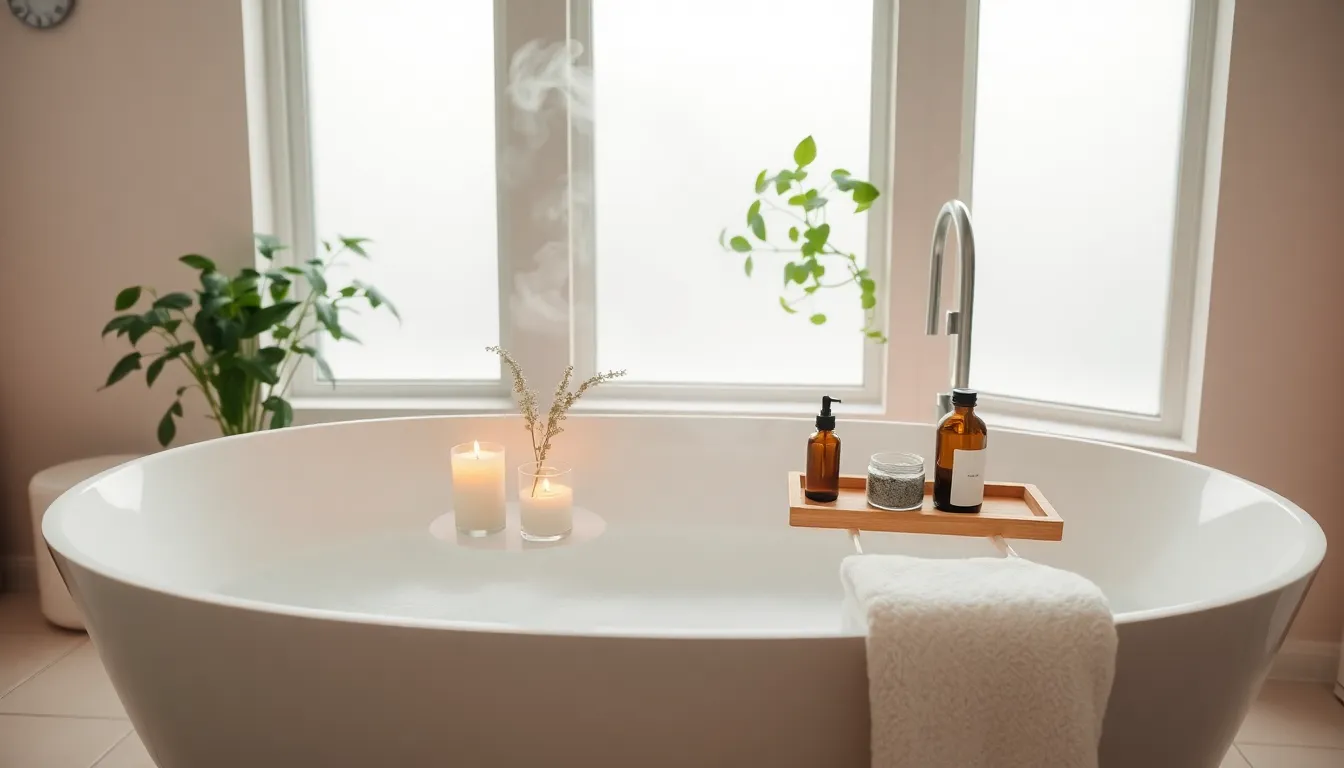
Lighting plays a major role. Bright overhead lights create a clinical feel that works against relaxation. Dimmer switches offer control over brightness. Candles provide soft, flickering light that naturally calms the nervous system. Battery-operated candles work well for those concerned about fire safety near water.
Sound influences mood during a bath. Some people prefer complete silence. Others enjoy soft music, nature sounds, or guided meditation tracks. Waterproof Bluetooth speakers let bathers play audio without worrying about electronics near water. A helpful bath tip is to choose sounds without lyrics, instrumental music or ambient noise tends to relax better than songs with words.
Clutter distracts the mind. Before filling the tub, clear away shampoo bottles, razors, and other items that remind the brain of tasks. Keep only what’s needed for that particular bath within reach.
Temperature in the bathroom also matters. A cold room makes getting into and out of the bath uncomfortable. Running hot water with the door closed creates steam that warms the space. A small space heater can preheat the bathroom in winter months.
Plants add life to bathroom spaces and some thrive in humid conditions. Ferns, pothos, and peace lilies do well in bathrooms and improve air quality.
Choose the Best Bath Additives
What goes into the water changes the entire bath experience. Different additives serve different purposes.
Epsom salt remains one of the most popular bath additives. It contains magnesium sulfate, which absorbs through the skin. Many people report reduced muscle soreness and improved sleep after Epsom salt baths. Add one to two cups per standard bathtub for best results.
Bubble baths create a luxurious feel but often contain sulfates that dry out skin. Those with sensitive skin should look for sulfate-free options or use them sparingly. A practical bath tip: add bubble bath under running water for maximum foam.
Essential oils offer both scent and therapeutic benefits. Lavender promotes calm and sleep. Eucalyptus clears sinuses and refreshes. Peppermint energizes and cools. Always dilute essential oils in a carrier oil or bath salt before adding them to water, pure essential oils can irritate skin.
Oatmeal baths soothe itchy or irritated skin. Colloidal oatmeal (finely ground oatmeal) dissolves in water and leaves a protective film on skin. It works particularly well for eczema, sunburn, or dry winter skin.
Milk baths have a long history dating back to Cleopatra. The lactic acid in milk gently exfoliates while fats moisturize. Two cups of whole milk or one cup of powdered milk per bath provides noticeable softness.
Bath bombs combine multiple ingredients into a fizzing package. They typically include baking soda, citric acid, oils, and scents. Quality varies widely between brands, so reading ingredient lists helps avoid synthetic dyes and fragrances that may irritate skin.
Maximize Your Skin Care Routine
A bath creates ideal conditions for skin care. Warm water and steam open pores, allowing products to penetrate deeper.
Exfoliation works best during or just after a bath. Dead skin cells soften in water, making them easier to remove. A washcloth, loofah, or body scrub removes buildup and leaves skin smooth. Focus on rough areas like elbows, knees, and heels. Gentle circular motions work better than harsh scrubbing.
A smart bath tip involves timing: apply a face mask before getting into the tub. The steam helps ingredients absorb while the mask sits. Clay masks draw out impurities. Hydrating masks plump and soften. By the time the bath ends, the mask has done its work.
Shaving legs or other areas becomes easier after soaking for five to ten minutes. Hair softens and follicles relax, resulting in a closer shave with less irritation. Always use a sharp razor and shaving cream or conditioner for best results.
Moisturizing immediately after bathing locks in hydration. Pat skin mostly dry with a towel, leaving it slightly damp. Apply lotion or body oil within three minutes of leaving the tub. This timing traps moisture in the skin before it evaporates.
Don’t forget often-neglected areas during post-bath moisturizing: neck, chest, hands, and feet all benefit from attention. Wearing cotton socks after applying foot cream overnight intensifies the moisturizing effect.
How Long Should You Soak
Bath duration affects the benefits received. Too short provides minimal relaxation. Too long creates its own problems.
Most dermatologists recommend soaking for 15 to 30 minutes. This timeframe allows muscles to relax and bath additives to work without overdoing skin exposure to water.
Extended soaking (beyond 30 minutes) can backfire. Prolonged water exposure breaks down the skin’s natural barrier. Fingers and toes wrinkle because the outer skin layer absorbs water and expands. While not harmful short-term, frequent long baths may lead to dryness.
Hot tubs and baths follow similar guidelines. The hotter the water, the shorter the recommended soak time. Very warm baths (above 102°F) should last no more than 15 to 20 minutes.
A useful bath tip: set a timer if you tend to lose track of time. Waterproof clocks or a phone alarm work well. Some people find they relax better knowing they won’t accidentally soak too long.
Children need shorter bath times than adults. Their skin is more sensitive and loses moisture faster. Ten to fifteen minutes is usually sufficient for kids.
People often ask about frequency. Most healthy adults can enjoy a bath several times per week without issues. Those with very dry skin or certain conditions like eczema may benefit from less frequent baths or shorter durations. Consulting a dermatologist helps determine the right frequency for individual skin types.