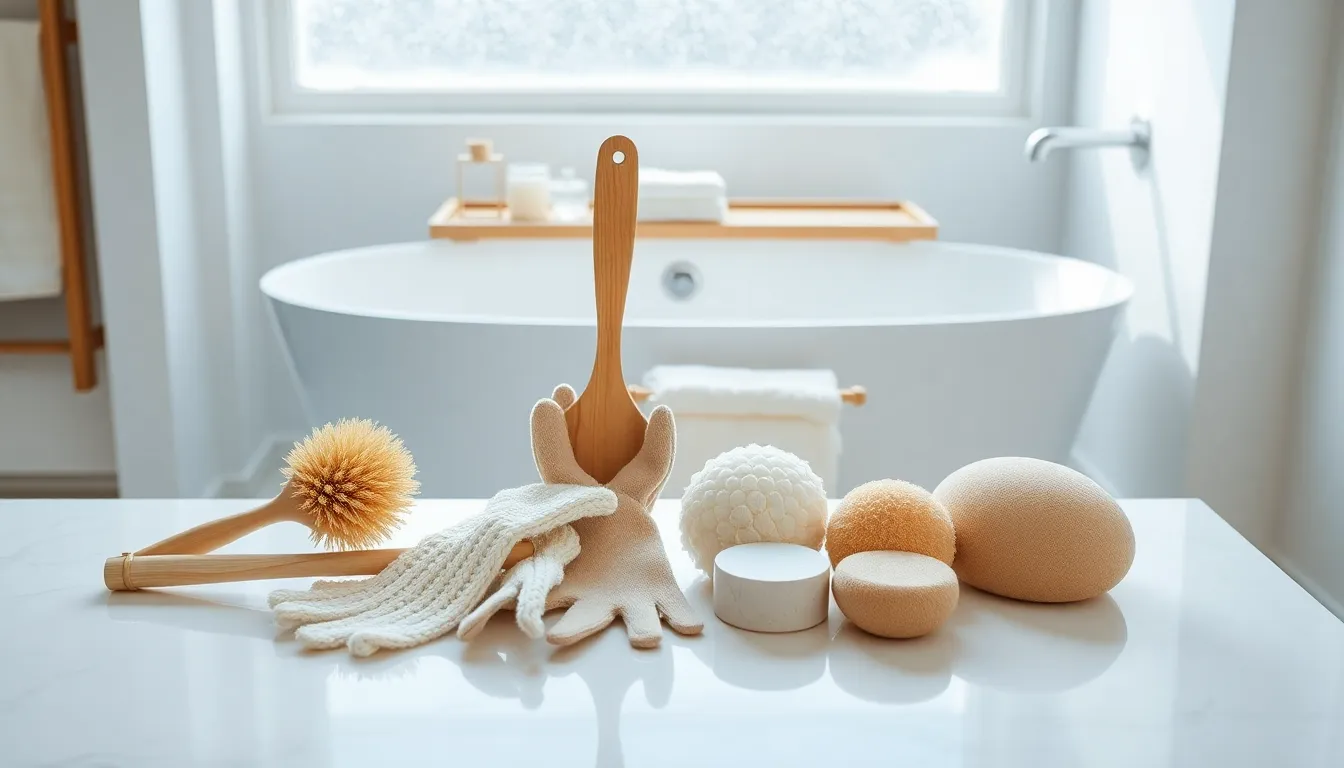
Bath tools make a noticeable difference in daily hygiene routines. They help remove dead skin, improve circulation, and turn an ordinary shower into something more enjoyable. From loofahs to back scrubbers to bath pillows, these accessories serve practical purposes while adding comfort to the bathroom.
Choosing the right bath tools depends on skin type, personal preferences, and specific goals. Some people want deeper exfoliation. Others prioritize relaxation after a long day. This guide covers the most popular types of bath tools, how to select them, and how to keep them clean for long-term use.
Table of Contents
ToggleKey Takeaways
- Bath tools like loofahs, body brushes, and exfoliating gloves help remove dead skin, unclog pores, and improve circulation.
- Choose bath tools based on your skin type—opt for softer options like konjac sponges for sensitive skin and firmer brushes for oilier or thicker skin.
- Relaxation accessories such as bath pillows, trays, and shower stools create a spa-like experience at home.
- Always rinse and dry bath tools thoroughly after each use to prevent bacteria and mold growth.
- Replace natural loofahs every 3–4 weeks and synthetic ones every 2 months to maintain hygiene and effectiveness.
- Investing in quality bath tools with durable materials saves money over time and delivers better results.
Types of Bath Tools for Daily Use
Bath tools fall into two main categories: those designed for cleansing and exfoliation, and those focused on relaxation. Each type serves a distinct purpose, and many people use a combination of both.
Cleansing and Exfoliating Tools
Exfoliating bath tools remove dead skin cells and unclog pores. They leave skin feeling smoother and help prevent ingrown hairs. Here are the most common options:
Loofahs are lightweight and create a rich lather with body wash. Natural loofahs come from dried gourd plants, while synthetic versions are made from plastic mesh. Both work well for gentle daily exfoliation.
Body brushes offer firmer bristles for deeper scrubbing. Dry brushing, using a body brush on dry skin before a shower, has become popular for stimulating blood flow. These bath tools typically feature long handles that make it easier to reach the back.
Exfoliating gloves and mitts fit over the hand and provide direct control during scrubbing. They work well for targeted exfoliation on elbows, knees, and heels. Most are made from nylon or natural fibers like sisal.
Konjac sponges are softer and gentler than most bath tools. Made from the konjac plant root, they suit sensitive skin and facial cleansing. They need to be soaked in water before use.
Pumice stones and foot files focus specifically on rough patches. They remove calluses from heels and the balls of feet. Using them once or twice a week keeps feet smooth.
Relaxation and Comfort Accessories
Some bath tools prioritize comfort over cleansing. They transform a quick wash into a more soothing experience.
Bath pillows support the head and neck during soaks. Most attach to the tub with suction cups. They make it easier to relax in the bath without straining muscles.
Bath trays and caddies hold books, tablets, candles, or drinks. They rest across the tub and keep items dry and within reach. Bamboo and plastic are the most common materials.
Bath bombs and dispensers add fragrance and skin-softening ingredients to the water. While not technically tools, they pair well with other bath accessories.
Shower stools and benches provide seating for those who prefer sitting while bathing. They also help people with mobility concerns bathe safely.
These bath tools create a spa-like atmosphere at home. They encourage longer, more intentional bathing sessions.
How to Choose the Right Bath Tools
Selecting the best bath tools comes down to a few key factors: skin type, intended use, and material quality.
Consider skin sensitivity. People with sensitive or dry skin should avoid harsh exfoliators like stiff-bristle brushes. Softer options like konjac sponges or silicone scrubbers work better. Those with oilier or thicker skin can handle more aggressive bath tools without irritation.
Match the tool to the goal. Someone focused on removing calluses needs a pumice stone, not a loofah. Someone who wants to relax during baths should invest in a quality bath pillow or tray. Identify the primary purpose first, then shop accordingly.
Check the materials. Natural bath tools like loofahs, sea sponges, and sisal mitts tend to biodegrade but require more care. Synthetic bath tools last longer and dry faster but contribute to plastic waste. Silicone options offer a middle ground, they’re durable, easy to clean, and less likely to harbor bacteria.
Think about reach and grip. Long-handled bath tools help with hard-to-reach areas like the middle of the back. Ergonomic handles reduce strain during use. For foot tools, non-slip grips add safety in wet conditions.
Read reviews. User feedback often reveals durability issues or comfort problems that product descriptions miss. Look for reviews that mention how long the bath tools lasted and how well they held up after repeated use.
Price matters too, but cheaper bath tools often fall apart quickly. Spending a bit more on quality products saves money over time.
Tips for Cleaning and Maintaining Your Bath Tools
Bath tools sit in warm, moist environments, ideal conditions for bacteria and mold growth. Proper cleaning extends their lifespan and keeps skin healthy.
Rinse after every use. Squeeze out excess water from loofahs, sponges, and gloves. Shake off body brushes. This simple step removes soap residue and reduces moisture buildup.
Dry thoroughly between uses. Hang bath tools in a well-ventilated area outside the shower. A hook near a window or fan works well. Leaving them on the shower floor invites mildew.
Deep clean weekly. Soak loofahs and sponges in a diluted bleach solution (one tablespoon of bleach per quart of water) for five minutes. Rinse well and air dry. For natural bath tools, white vinegar works as a gentler alternative.
Disinfect brushes regularly. Wash bristles with antibacterial soap and warm water. Let them dry bristle-side down so water drains away from the handle.
Replace bath tools on schedule. Natural loofahs should be replaced every three to four weeks. Synthetic loofahs last about two months. Konjac sponges need replacing every four to six weeks. Body brushes can last a year or more with proper care, but check bristles for wear.
Store properly. Keep pumice stones and foot files in dry spots between uses. Use mesh bags or open containers that allow air circulation. Avoid closed cabinets where moisture gets trapped.
Clean bath tools work better and pose fewer risks to skin health. A little maintenance goes a long way.