A warm bath does more than clean the body. It soothes muscles, calms the mind, and offers a genuine escape from daily stress. Yet many people rush through this ritual without knowing how to make the most of it.
This guide covers everything needed to take the perfect bath. From water temperature to soak time, readers will learn how to turn an ordinary bath into a restorative experience. Whether someone seeks relief from sore muscles or simply wants to unwind after a long day, these tips will help.
Table of Contents
ToggleKey Takeaways
- A warm bath between 98°F and 104°F relaxes muscles, reduces stress, and can improve sleep quality when taken 1-2 hours before bed.
- The ideal bath duration is 15-30 minutes—long enough to unwind but short enough to protect skin moisture.
- Epsom salt, essential oils, oatmeal, and baking soda are effective bath additives that enhance relaxation and skin health.
- Prepare your bath environment in advance with dim lighting, soft music, and all essentials within reach for uninterrupted relaxation.
- Leave your phone in another room to maximize the stress-relieving benefits of your bath.
- Avoid water that’s too hot or soaking too long, as both can dry out skin and leave you feeling drained rather than refreshed.
Health Benefits of Bathing
A bath offers several proven health benefits that go beyond basic hygiene. Studies show that regular bathing can improve both physical and mental well-being.
Muscle and Joint Relief
Warm water increases blood flow to tired muscles and stiff joints. This helps reduce inflammation and eases pain. People with arthritis or chronic muscle tension often find relief through regular baths. The buoyancy of water also takes pressure off joints, allowing the body to relax fully.
Better Sleep Quality
Taking a bath 1-2 hours before bed can improve sleep quality. The body’s core temperature rises during a warm bath, then drops afterward. This temperature shift signals the brain that it’s time to sleep. Research published in Sleep Medicine Reviews found that bathing in warm water improved sleep onset and overall sleep quality.
Stress Reduction
A bath activates the parasympathetic nervous system, which controls the body’s rest response. Heart rate slows, blood pressure drops, and stress hormones decrease. Even a 15-minute bath can produce noticeable calming effects.
Skin Health
Bathing helps open pores and remove dead skin cells. When combined with gentle exfoliation, a bath leaves skin feeling softer and looking healthier. But, water that’s too hot or baths that last too long can dry out the skin, balance matters.
How to Create a Relaxing Bath Experience
A truly relaxing bath requires some preparation. Small details can transform an ordinary soak into something special.
Set the Scene
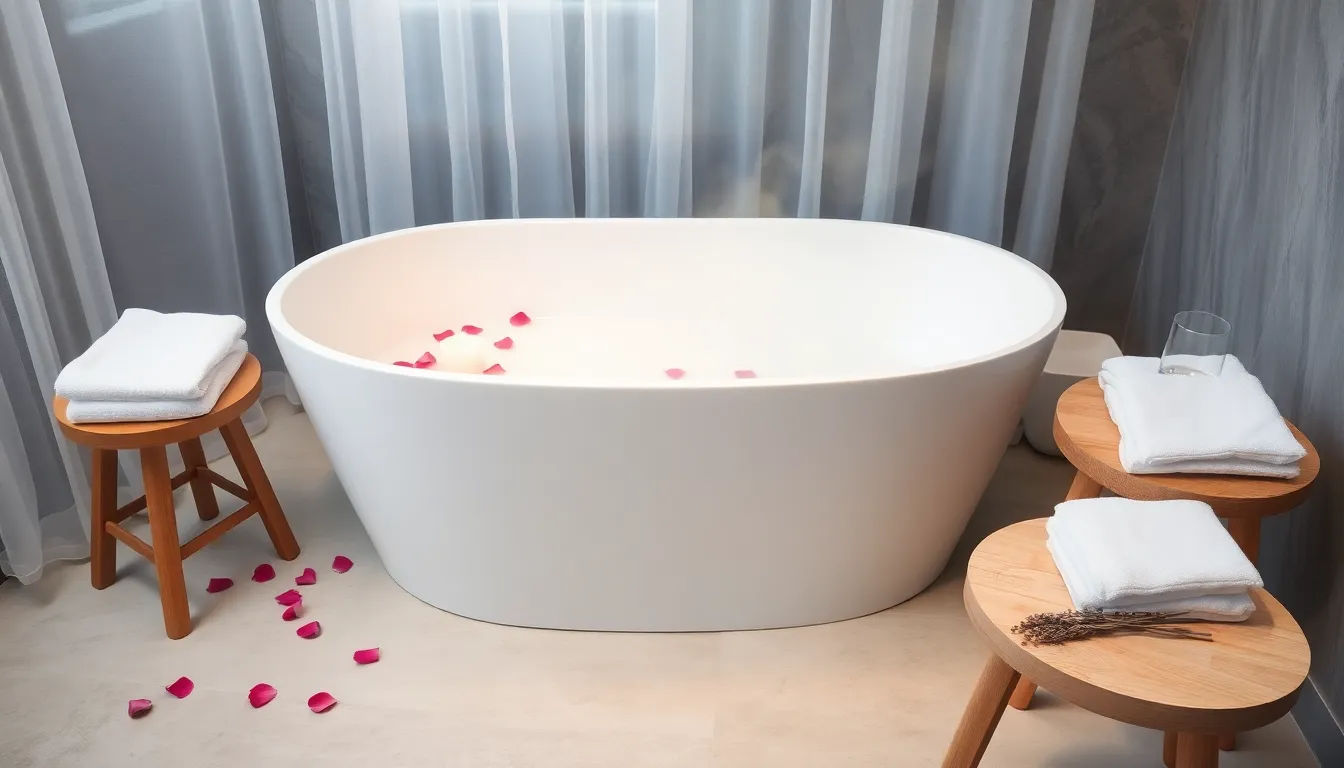
Dim the lights or use candles to create a calm atmosphere. Harsh overhead lighting works against relaxation. Soft music or nature sounds can also help the mind unwind. Some people prefer complete silence, there’s no wrong choice here.
Prepare Everything in Advance
Gather towels, bathrobes, and any products before getting in. Nothing breaks the mood like climbing out of a warm bath to grab a forgotten item. Keep a glass of water nearby too, since bathing can cause mild dehydration.
Minimize Distractions
Leave the phone in another room. A bath should be a break from screens and notifications. Even 20 minutes of uninterrupted quiet can reset the nervous system.
Choosing the Right Water Temperature
Water temperature plays a crucial role in the bath experience. Too hot and the body overheats: too cold and muscles won’t relax properly.
The ideal bath temperature ranges between 98°F and 104°F (37°C to 40°C). This range is warm enough to relax muscles without stressing the cardiovascular system. People with heart conditions should stay at the lower end of this range.
A simple test: the water should feel warm but comfortable within seconds of entering. If there’s an urge to pull back, it’s too hot. Adjust as needed, the perfect bath temperature is personal.
Best Bath Additives for Your Skin
What goes into the bath water matters. The right additives can enhance relaxation and improve skin health.
Epsom Salt
Epsom salt (magnesium sulfate) is a popular bath additive. It may help relax muscles and reduce inflammation. Add 1-2 cups to a standard bath. The magnesium absorbs through the skin, though scientific evidence on absorption rates varies.
Essential Oils
Lavender oil promotes relaxation, while eucalyptus can help clear sinuses. Add 5-10 drops to bathwater or mix with a carrier oil first. Pure essential oils can irritate skin if used in excess, so moderation is key.
Oatmeal
Colloidal oatmeal soothes dry, itchy skin. It creates a protective barrier and has anti-inflammatory properties. This additive works especially well for people with eczema or sensitive skin. Pre-made oatmeal bath products are widely available.
Baking Soda
Baking soda softens water and can help neutralize skin pH. It’s gentle and inexpensive. Add half a cup to a standard bath for softer-feeling skin.
Coconut Oil
A tablespoon of coconut oil adds moisture to the bath. It leaves skin feeling hydrated but can make the tub slippery, use caution when getting out.
What to Avoid
Skip bubble baths with artificial fragrances if prone to skin irritation. Harsh soaps can strip natural oils and leave skin dry. Those with sensitive skin should patch-test new products before adding them to a full bath.
How Long Should You Stay in the Bath
Bath duration affects both relaxation and skin health. Staying too long can actually cause problems.
The ideal bath lasts 15-30 minutes. This timeframe allows muscles to relax and the mind to unwind without overdoing it. Beyond 30 minutes, skin starts to lose moisture rather than absorb it.
Pruned fingers are a sign that the outer layer of skin has absorbed excess water. While not harmful in small doses, prolonged exposure weakens the skin barrier. People with dry skin or eczema should stick to shorter baths, around 15 minutes.
Water temperature also affects ideal soak time. Hotter baths should be shorter to prevent overheating. A bath at 104°F might feel great, but 20 minutes is plenty at that temperature.
Listening to the body helps too. Feeling lightheaded or overly warm? Time to get out. A bath should leave someone feeling refreshed, not drained.