The best bath does more than clean the body. It soothes sore muscles, calms the mind, and offers a genuine escape from daily stress. Yet many people rush through their baths without maximizing these benefits. A truly relaxing bath requires attention to a few key details: water temperature, products, atmosphere, and timing. This guide covers everything needed to transform an ordinary soak into the best bath experience possible. Whether someone seeks stress relief after a long workday or wants to establish a weekly self-care ritual, these practical tips deliver real results.
Table of Contents
ToggleKey Takeaways
- The best bath water temperature falls between 98°F and 104°F to relax muscles without irritating skin or raising blood pressure.
- Epsom salt (two cups per bath) and essential oils like lavender or eucalyptus elevate a simple soak into the best bath experience.
- Soak for 15 to 30 minutes to maximize relaxation benefits while avoiding skin dryness from overexposure.
- Create the ideal atmosphere with dim lighting, calming sounds, and a warm bathroom—leave your phone outside.
- Moisturize within three minutes of leaving the bath to lock in hydration while skin is still damp.
- Schedule regular bath nights to establish a self-care ritual you’ll actually look forward to.
Choosing the Right Water Temperature
Water temperature plays a critical role in creating the best bath. Too hot, and the skin becomes irritated while blood pressure rises uncomfortably. Too cold, and muscles never fully relax.
The ideal bath temperature falls between 98°F and 104°F (37°C to 40°C). This range mimics the body’s natural temperature while providing enough warmth to loosen tight muscles. A simple bath thermometer costs under $10 and removes all guesswork.
Hot water above 104°F can cause dizziness, dehydration, and skin dryness. People with heart conditions or high blood pressure should stay at the lower end of this range. Pregnant women should consult their doctor before taking hot baths.
For the best bath experience, start filling the tub with water slightly warmer than the target temperature. Water cools as it fills the tub and continues cooling during the soak. Starting a few degrees warmer compensates for this heat loss.
Some people prefer alternating temperatures. They begin with warm water, then add cool water toward the end. This technique can boost circulation and leave skin feeling refreshed.
Essential Bath Products for Maximum Relaxation
The right bath products elevate a simple soak into the best bath of the week. Each product serves a specific purpose.
Bath Salts
Epsom salt remains the gold standard for muscle relaxation. It contains magnesium sulfate, which absorbs through the skin and helps reduce inflammation. Two cups per bath provide noticeable relief for sore muscles and joint stiffness. Dead Sea salt offers similar benefits with added minerals like potassium and calcium.
Essential Oils
Lavender oil promotes relaxation and sleep. Eucalyptus clears sinuses and eases breathing. Chamomile calms anxiety. Add 5-10 drops directly to bathwater or mix with a carrier oil first. Pure essential oils work better than synthetic fragrances, which can irritate sensitive skin.
Bubble Bath and Bath Bombs
Bubble bath creates a playful, luxurious atmosphere. Modern formulas include moisturizing ingredients that prevent skin from drying out. Bath bombs combine fizzing action with essential oils, colors, and skin-softening agents. They turn an ordinary bath into a multisensory experience.
Moisturizing Additives
Oatmeal soothes itchy, irritated skin. Coconut oil and olive oil lock in moisture. Milk baths, using powdered milk or coconut milk, soften skin remarkably well. The best bath routine includes at least one moisturizing element.
Setting the Perfect Atmosphere
Atmosphere separates a functional bath from the best bath experience. Small environmental changes make significant differences.
Lighting
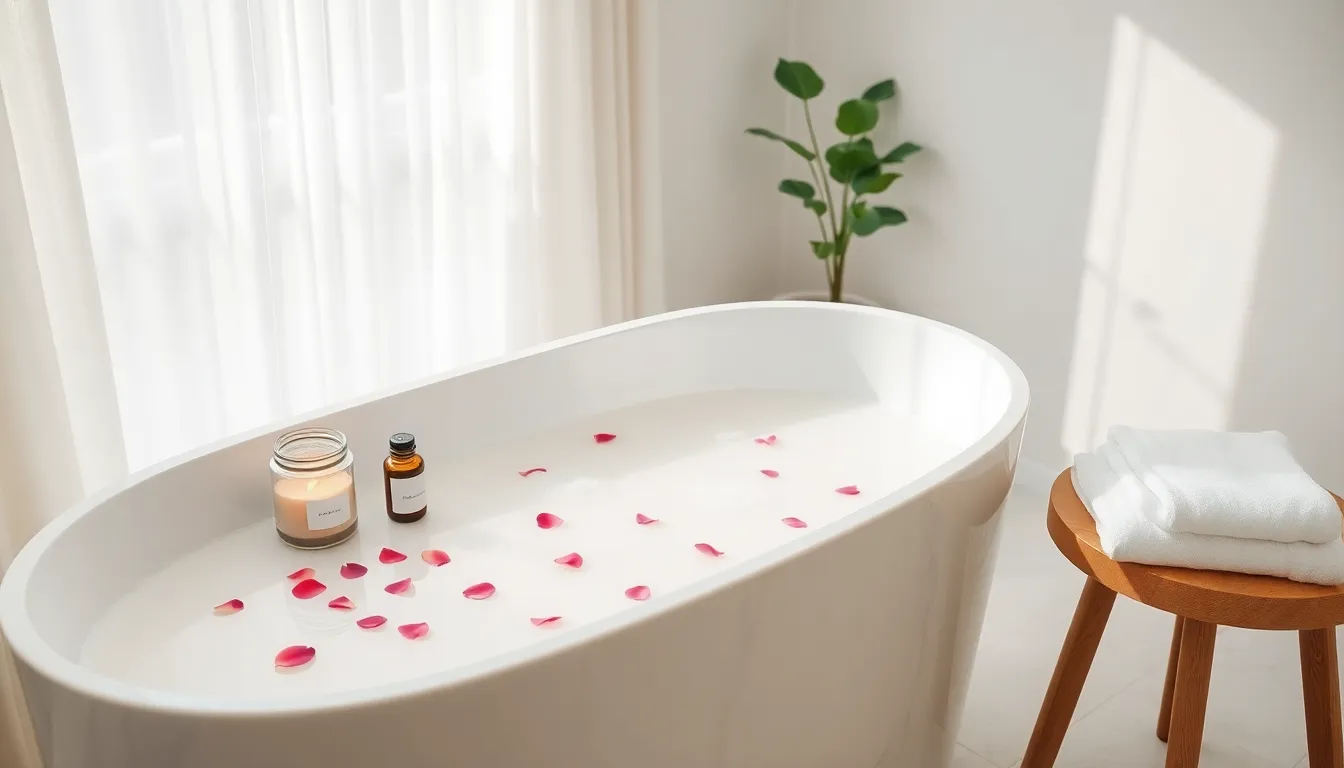
Harsh overhead lights create clinical vibes. Dimmer switches allow instant mood adjustment. Candles provide soft, flickering light that signals relaxation to the brain. Battery-operated candles work well for those concerned about fire safety around water.
Sound
Silence works for some people. Others prefer ambient sounds like rainfall, ocean waves, or soft instrumental music. Waterproof Bluetooth speakers make it easy to play any soundtrack. Many streaming services offer playlists specifically designed for bath relaxation.
Temperature Control
The bathroom itself should feel warm before stepping into the tub. Running hot water for a minute before filling the bath creates steam that warms the room. A small space heater can help during cold months. Nothing ruins the best bath faster than stepping out into a freezing bathroom.
Remove Distractions
Phones belong outside the bathroom during bath time. Notifications, emails, and social media undermine relaxation. If music is desired, set the playlist before entering and leave the device out of reach.
How Long Should You Soak?
Duration matters for achieving the best bath results. Too short provides minimal benefit. Too long creates problems.
The sweet spot falls between 15 and 30 minutes. This timeframe allows muscles to fully relax and bath products to work effectively. It also prevents the negative effects of prolonged water exposure.
Soaking longer than 30 minutes can strip natural oils from skin, leading to dryness and irritation. Fingers and toes wrinkle because the outer skin layer absorbs water and expands. Extended soaking intensifies this effect and can weaken the skin barrier.
Hot water accelerates dehydration. Anyone planning a longer soak should keep a glass of water nearby. Staying hydrated maintains the best bath experience without uncomfortable side effects.
People with specific goals might adjust their timing. A quick 10-minute soak before bed can improve sleep quality. A longer 25-minute bath with Epsom salt provides better muscle recovery after intense exercise.
Tips for Enhancing Your Bath Routine
Several additional strategies can upgrade any bath routine.
Exfoliate beforehand. A quick scrub before entering the tub removes dead skin cells. This allows bath products to penetrate more effectively and leaves skin smoother.
Use a bath pillow. Resting the head against hard porcelain or acrylic causes neck strain. Waterproof bath pillows with suction cups provide comfortable support throughout the soak.
Apply a face mask. Steam from bathwater opens pores. A face mask applied during the bath works better than one applied during normal conditions. Clay masks draw out impurities while hydrating masks plump the skin.
Keep towels warm. A heated towel rack or a towel placed on a radiator ensures comfort when exiting the bath. Some people toss their towel in the dryer for five minutes right before they finish soaking.
Moisturize immediately after. Skin absorbs lotion best when slightly damp. Applying moisturizer within three minutes of leaving the bath locks in hydration from the soak.
Schedule regular bath nights. The best bath becomes even better when it’s something to look forward to. Weekly bath nights create anticipation and ensure self-care doesn’t fall off the schedule.
Invest in quality bath linens. Thick, absorbent towels and a plush bath mat extend the luxurious feeling beyond the tub itself.