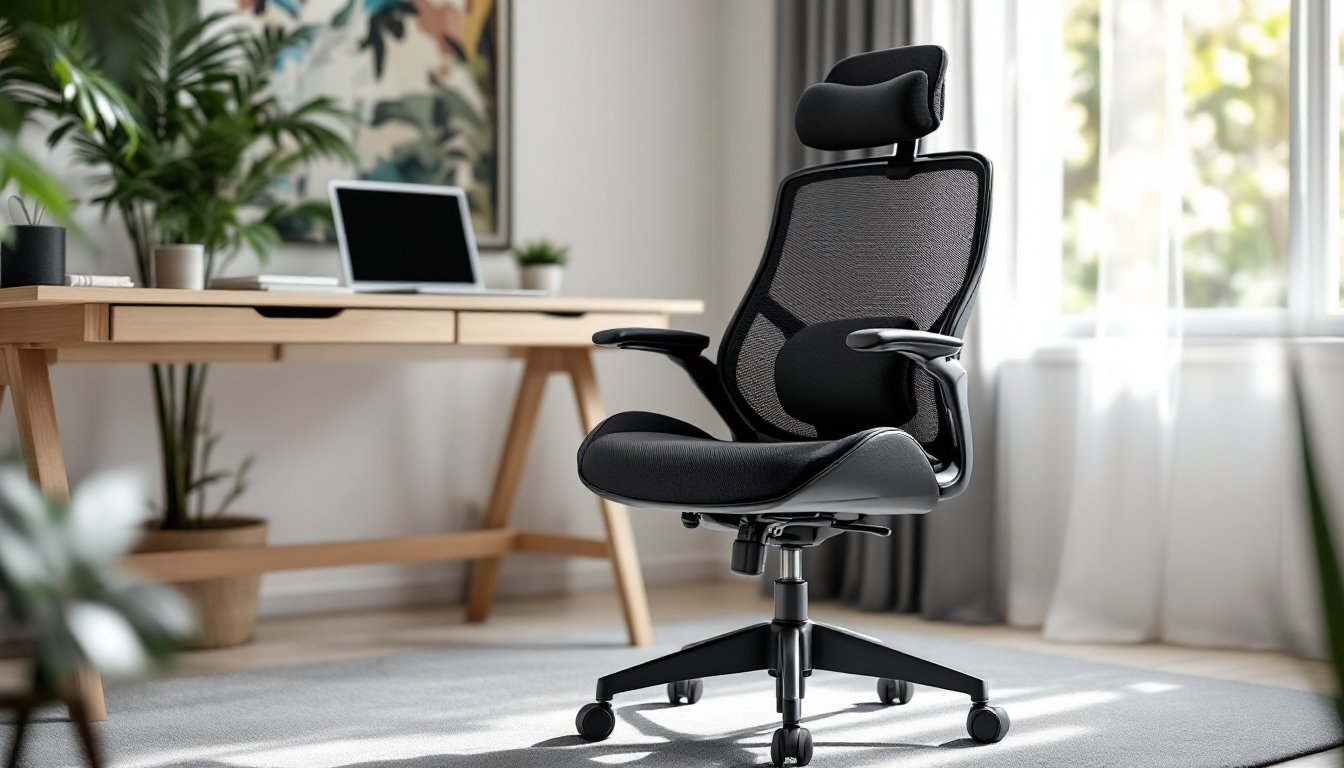
Sitting in an office chair that pinches at the hips, bottoms out under your weight, or wobbles like a lawn chair isn’t just uncomfortable, it’s a structural problem. Standard office chairs typically max out at 250 pounds and feature seat widths around 18 to 20 inches. For taller or heavier users, that’s a recipe for chronic discomfort and potential injury. Big and tall office chairs address these shortcomings with reinforced frames, wider seats, and weight capacities that often reach 400 pounds or more. Whether setting up a home office or upgrading an existing workspace, understanding what separates a properly engineered big and tall chair from an oversized standard model makes the difference between long-term support and an expensive mistake.
Table of Contents
ToggleKey Takeaways
- A big and tall office chair is engineered with reinforced frames, weight capacities of 300–500+ pounds, and wider seats (20–24 inches) to prevent structural failure and chronic discomfort that undersized chairs cause.
- Proper big and tall chair features include heavy-gauge steel frames, Class 4 gas cylinders, adjustable lumbar support and armrests, and caster wheels rated for heavy loads to ensure safety and long-term durability.
- Investing in a quality big and tall office chair ($250–$600) reduces chiropractor visits, improves work focus, and lasts 5–10 years, offsetting the upfront cost compared to premature failure or medical expenses.
- Measure user dimensions (weight, height, hip width, leg length) and workspace constraints (desk clearance, available floor space) before selecting a chair to ensure proper ergonomic alignment and fit.
- Regular maintenance—including monthly vacuuming, quarterly hardware tightening, annual lubrication of moving parts, and caster inspection—extends a big and tall chair’s lifespan to a decade or more.
What Makes an Office Chair Big and Tall?
A big and tall office chair isn’t just a regular chair with extra padding. The designation refers to specific engineering standards designed to accommodate larger body types without compromising structural integrity.
Weight capacity is the first differentiator. While standard office chairs support 200 to 250 pounds, big and tall models start at 300 pounds and extend to 500 pounds or higher. This isn’t just about thicker cushions, it requires reinforced steel frames, upgraded gas lift cylinders rated for heavy-duty use, and caster wheels with higher load tolerances.
Seat dimensions also differ significantly. Standard chairs offer seat widths of 18 to 20 inches and depths of 17 to 19 inches. Big and tall chairs provide widths ranging from 20 to 24 inches and depths of 19 to 22 inches. That extra space prevents hip compression and allows users to sit fully back against the lumbar support without their knees jamming into the seat pan.
Taller backrests and extended seat height ranges are equally important. Many big and tall models feature backrests between 22 and 30 inches to support users over six feet tall, and they offer seat height adjustments starting lower (around 18 inches) and extending higher (up to 23 inches) than standard chairs. This ensures proper ergonomic alignment, feet flat on the floor, knees at 90 degrees, and monitor at eye level, regardless of leg length.
Why Investing in a Big and Tall Chair Matters
Using an undersized chair creates more than momentary discomfort. Over weeks and months, it leads to measurable physical problems.
Poor lumbar support causes the lower back to round, placing uneven pressure on spinal discs. This can trigger sciatica, chronic lower back pain, and muscle fatigue. Standard chairs don’t position lumbar cushions high or deep enough for taller spines, leaving the lower back unsupported.
Inadequate seat depth forces users to perch on the front edge of the chair to avoid knee contact with the seat pan. This shifts body weight onto the thighs, restricts circulation, and can lead to numbness or tingling in the legs. It also eliminates backrest contact entirely, defeating the chair’s ergonomic design.
Structural failure is another real risk. Exceeding a chair’s weight capacity stresses the gas cylinder, frame welds, and armrest mounts. Gas cylinders rated below a user’s weight can fail suddenly, causing falls and injury. Armrests may crack or detach under lateral stress. These aren’t cosmetic issues, they’re safety hazards.
Investing in a properly rated chair means fewer trips to the chiropractor, better focus during work hours, and a chair that lasts five to ten years instead of failing within eighteen months. The upfront cost, typically $250 to $600 for quality models, is offset by durability and the avoided costs of medical treatment or premature replacement.
Key Features to Look for in Big and Tall Office Chairs
Not all big and tall chairs deliver on their promises. Knowing which features matter, and which are marketing fluff, helps narrow the field.
Weight Capacity and Frame Construction
Weight capacity should exceed the user’s weight by at least 50 pounds to provide a safety margin and account for dynamic loading (leaning, shifting, reclining). A 300-pound user should target chairs rated for 350 pounds or more.
Frame construction determines longevity. Look for heavy-gauge steel frames rather than molded plastic or particleboard bases. Steel frames resist flex and fatigue over time. Welds should be clean and reinforced, especially at stress points like the seat-to-back junction and armrest mounts.
The gas lift cylinder is a critical component. Class 4 gas cylinders are the industry standard for heavy-duty chairs and are rated to handle higher loads without premature wear or catastrophic failure. Some manufacturers use SGS-certified cylinders, which undergo third-party testing for safety and durability.
Casters matter more than most people realize. Heavy-duty casters with larger wheel diameters (60mm or greater) and reinforced axles distribute weight more evenly and roll more smoothly on both carpet and hard floors. Cheap casters crack under sustained heavy use, turning a mobile chair into a stationary anchor.
Seat Dimensions and Adjustability
Seat width and depth should accommodate the user without constraint. Measure hip width while seated and add at least two inches to determine minimum seat width. For seat depth, sit with the back fully against a wall and measure from the wall to the back of the knee, subtract two inches to allow clearance and avoid pressure on the back of the legs.
Adjustable seat depth (also called seat slider or pan depth adjustment) is a valuable feature for taller users. It allows the seat pan to slide forward or backward by two to three inches, fine-tuning the fit without replacing the chair. This feature is less common in budget models but increasingly standard in mid-range big and tall chairs.
Armrests should be height-adjustable at minimum. Better models offer 4D armrests that adjust in height, width, depth, and angle. Width-adjustable arms are especially important for broader users, preventing shoulder compression and allowing natural arm positioning while typing. Fixed-width arms on a wide chair often sit too far apart, forcing awkward elbow positioning.
Lumbar support needs both height and depth adjustment. A fixed lumbar cushion won’t align with every spine. Adjustable lumbar mechanisms let users dial in the exact position and intensity of support. Some chairs use a simple dial or knob: others incorporate inflatable lumbar bladders for on-the-fly changes. Avoid chairs with purely cosmetic lumbar pillows sewn into the backrest, they provide zero meaningful support.
How to Choose the Right Big and Tall Chair for Your Home Office
Choosing the right chair starts with honest measurements and realistic assessment of workspace constraints.
First, measure the user’s dimensions: weight, height, hip width (seated), and leg length (floor to back of knee while seated). Compare these against manufacturer specs, not marketing descriptions. Many “big and tall” chairs list optimistic capacities without disclosing actual seat dimensions.
Next, measure the workspace. Desk height, clearance under the desk, and available floor space all affect chair selection. Standard desk height is 29 to 30 inches. If the chair’s armrests at their lowest setting sit above 27 inches, they won’t tuck under the desk, forcing the user to sit farther away or remove the arms entirely.
Material choice impacts comfort and maintenance. Mesh backrests offer superior breathability and conform to the spine without retaining heat, making them ideal for warm climates or users who run hot. Fabric upholstery (polyester, nylon blends) is durable and easy to clean but can trap heat. Bonded leather or PU leather looks professional but degrades within two to four years, peeling and flaking. Genuine leather costs more but ages gracefully and resists wear. For home offices, fabric or mesh typically offers the best balance of comfort, cost, and longevity.
If possible, test the chair in person. Sit fully back, adjust all features, and spend at least ten minutes in different positions. Rock the base side-to-side to check for wobble. Raise and lower the seat to confirm smooth gas cylinder operation. Lean back against the recline mechanism to ensure it engages smoothly and locks securely. Many furniture retailers and big-box stores stock at least one or two big and tall models for testing.
Consider assembly requirements. Most office chairs ship flat-packed and require 30 to 60 minutes of assembly. Instructions vary in quality, some manufacturers include clear diagrams and labeled hardware, while others provide cryptic illustrations and unlabeled bags of screws. Reviews often mention assembly difficulty, so skim those before committing. If assembly isn’t in the skill set, some retailers offer assembly services for an additional fee, or local handyman services can knock it out quickly. For those interested in woodworking project plans for custom furniture, building a desk to match an upgraded chair can tie the workspace together.
Warranty coverage reveals manufacturer confidence. A comprehensive warranty should cover the frame and mechanical parts for at least five years, gas cylinder and casters for two to three years, and upholstery for one year. Lifetime warranties on frames are increasingly common in premium models. Avoid chairs with 90-day or one-year warranties, they’re built to disposable standards.
Maintaining Your Big and Tall Office Chair for Longevity
A well-maintained big and tall chair can last a decade or more. Neglecting simple upkeep shortens that lifespan considerably.
Regular cleaning prevents material degradation. Vacuum mesh and fabric upholstery monthly to remove dust and debris. Spot-clean spills immediately with a damp cloth and mild detergent, avoid harsh cleaners or bleach, which weaken fibers. For leather or faux leather, wipe down with a microfiber cloth and apply a leather conditioner every three to six months to prevent cracking.
Check and tighten hardware quarterly. Armrest bolts, seat-to-base connections, and backrest mounts can loosen over time from normal use. A simple pass with an Allen wrench or adjustable wrench keeps everything snug. Loose hardware accelerates wear on mounting points and can lead to structural failure.
Lubricate moving parts annually. Apply a silicone-based lubricant to the seat height adjustment mechanism, tilt tension knob, and any sliding or pivoting components. Avoid WD-40 or petroleum-based products, which attract dust and gum up over time. A dry PTFE spray works well for plastic-on-metal contact points.
Inspect casters and the gas cylinder for wear. Casters should roll smoothly without wobbling or sticking. Hair, thread, and debris wrap around caster axles and reduce mobility, flip the chair and pull out any buildup every few months. If the gas cylinder no longer holds height or sinks under weight, it’s reached end-of-life and should be replaced. Replacement cylinders cost $20 to $40 and install in about ten minutes with basic tools.
Store the chair properly if it won’t be used for extended periods. Keep it in a climate-controlled space to prevent material degradation from extreme temperatures or humidity. If storing in a garage or basement, cover it with a breathable fabric cover to protect upholstery from dust.
Understanding furniture building tutorials and basic chair mechanics makes troubleshooting minor issues easier. Most big and tall chairs use standardized parts, so replacing a worn armrest pad or caster doesn’t require professional help. Keeping the chair in top condition ensures it continues to provide the support and comfort it was designed for, year after year.