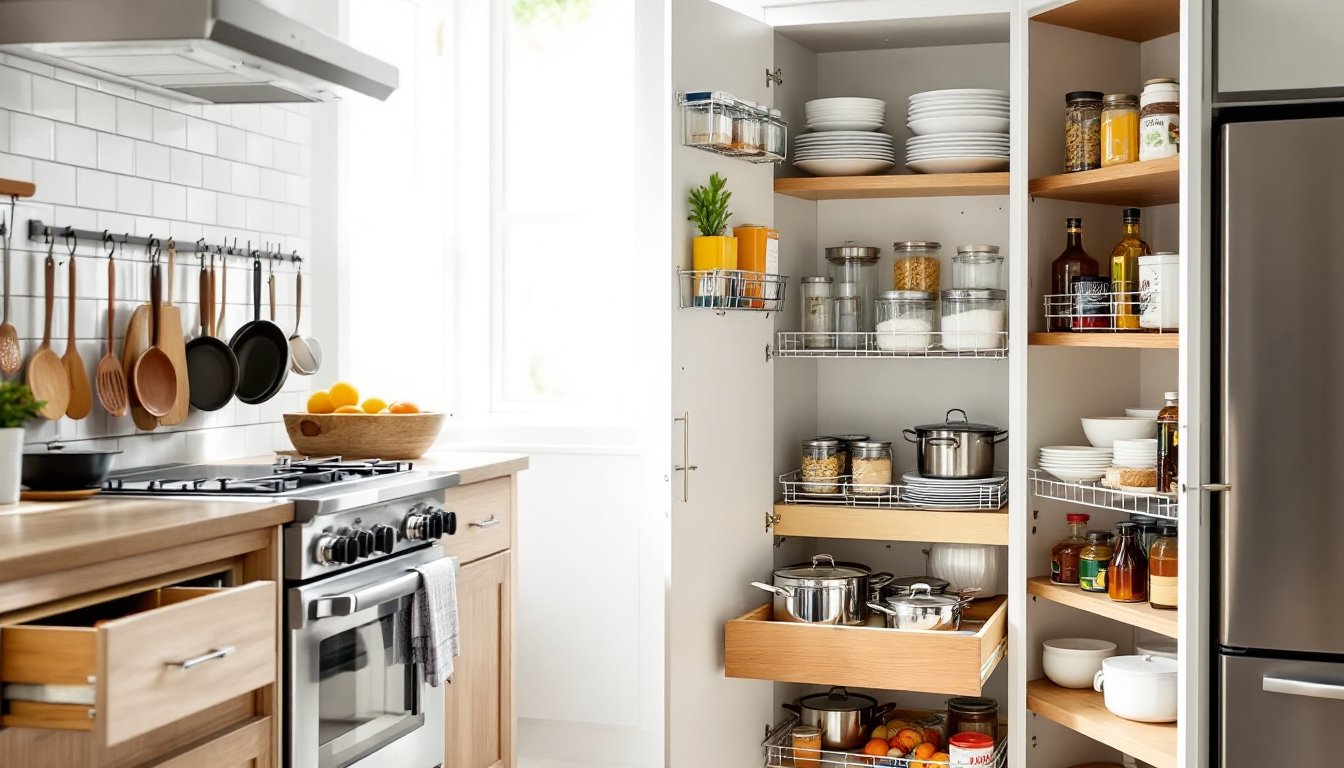
Kitchens have become command centers for modern homes, meal prep, assignments stations, coffee bars, and impromptu gatherings all happen in this one hardworking room. But without a smart storage plan, counters pile up, drawers jam, and cabinets become black holes where spatulas go to die. The good news? You don’t need a gut renovation to reclaim your kitchen. Strategic storage upgrades, from pull-out shelves to wall-mounted racks, can double your usable space and cut meal prep frustration in half. This guide walks through proven kitchen storage ideas that work for tight galley layouts and sprawling cook’s kitchens alike.
Table of Contents
ToggleKey Takeaways
- Strategic kitchen storage solutions like pull-out shelves and wall-mounted racks can double your usable space without requiring a full renovation.
- Effective kitchen storage maximizes vertical space, keeps daily-use items within arm’s reach, and eliminates time-wasting searches for ingredients and tools during meal prep.
- Install adjustable shelving, shelf risers, and pull-out drawer slides in existing cabinets to reclaim the 40% of vertical space typically wasted by single fixed shelves.
- Vertical wall storage, floating shelves, and wall-mounted rails transform underutilized wall space and bring frequently-used pots, utensils, and ingredients within easy reach.
- Organize pantries with clear bins, adjustable shelving spaced 12–16 inches apart, and door-mounted racks to maximize visibility and accessibility regardless of pantry size.
- Hidden storage solutions like appliance garages, toe-kick drawers, and tip-out trays eliminate countertop clutter while maintaining a clean, functional kitchen design.
Why Kitchen Storage Matters More Than Ever
The average American kitchen holds 300+ items, cookware, small appliances, pantry goods, cleaning supplies, and utensils, yet most homes built before 2010 allocate less than 30 cubic feet of cabinet space. That mismatch shows up as countertop clutter, inaccessible corner cabinets, and the dreaded junk drawer avalanche.
Effective kitchen storage does three things: it maximizes vertical and underutilized space, keeps daily-use items within arm’s reach, and eliminates the “dig and hope” search for colanders or spice jars. Poor organization costs time (the average cook spends 7 minutes per meal just locating ingredients and tools) and money (duplicate purchases because you can’t find what you already own).
Building codes don’t dictate cabinet layout, but ergonomics matter. The work triangle, sink, stove, and refrigerator, should each have dedicated storage within 4 feet. If you’re installing new cabinetry, confirm that base cabinets are at least 24 inches deep (standard) and wall cabinets are 12 inches deep to accommodate dinner plates and mixing bowls. Shallow cabinets waste opportunity: deeper ones require pull-out shelves or lazy Susans to stay functional.
Maximize Cabinet Space with Strategic Organization
Most kitchen storage cabinets ship as empty boxes with a single fixed shelf, a design that wastes 40% of vertical space. Retrofit them with adjustable shelving, risers, and pull-outs to reclaim lost real estate.
Pull-out shelves are the single best cabinet upgrade. Install full-extension drawer slides (rated for 75–100 lbs) on lower cabinets so you can access items at the back without kneeling or excavating. These slides mount to the cabinet sidewalls with screws: drill pilot holes to prevent splitting. For blind corner cabinets, swap the fixed shelf for a two-tier lazy Susan or a pull-out corner unit with wire baskets.
Shelf risers double your usable height in upper cabinets. Choose expandable wire or bamboo models that adjust from 12 to 18 inches wide to fit varied cabinet widths. Stack plates on the lower tier, bowls or mugs on the upper. For pantry storage ideas, use clear acrylic risers so you can see canned goods at a glance.
Door-mounted racks add storage without touching the cabinet interior. Screw an over-the-door wire rack (check weight limits, most handle 10–15 lbs) to the inside of base cabinet doors for pot lids, cutting boards, or aluminum foil boxes. Confirm clearance: the rack shouldn’t block shelves when the door closes.
Don’t ignore toe-kick space. Retrofit the 4-inch recess beneath base cabinets with a shallow pull-out drawer for baking sheets, placemats, or seldom-used trays. This requires cutting into the toe-kick board and mounting low-profile drawer slides, doable with a circular saw and drill, but measure twice.
Smart Drawer Solutions for Every Kitchen Size
Drawers beat cabinets for accessibility, you see everything at once, but only if you organize them. Jumbled utensils and tangled gadgets waste time and space.
Custom drawer dividers keep cutlery, utensils, and tools separated. For DIY builds, use ¼-inch plywood or Baltic birch cut to fit your drawer interior. Create a grid with vertical dividers spaced 2–3 inches apart for utensils, wider cells for whisks or spatulas. Secure dividers with wood glue and 1-inch brad nails: no fancy joinery needed. If you’d rather skip the saw work, adjustable bamboo or plastic organizers work fine, just measure your drawer interior (width, depth, and height) before ordering.
Deep drawers (12 inches or more) excel at pot and pan storage. Install pegboard inserts with movable dowels to create custom slots for each lid and skillet. Cut pegboard to fit the drawer bottom, drop in ¼-inch dowels, and arrange them to hold items vertically. This beats stacking, which turns retrieval into a noisy archaeology dig.
For small kitchen storage ideas, add a toe-kick drawer (mentioned earlier) or retrofit a narrow pull-out between the stove and counter. These 6- to 9-inch filler spaces often go unused but can hold spice jars, oils, or cutting boards when fitted with a pull-out rack on full-extension slides.
Safety note: When working with drawer slides, wear safety glasses, metal shavings from drilling can ricochet. Use a magnetic bit holder to prevent screws from dropping inside the cabinet frame.
Vertical Storage: Make the Most of Your Wall Space
Walls represent the largest underutilized surface in most kitchens. Adding vertical storage requires minimal demolition and delivers immediate results.
Floating shelves work in kitchens with limited upper cabinets or blank walls beside windows. Use ¾-inch thick hardwood or plywood (poplar, oak, or birch) cut to 10–12 inches deep and any length that fits your wall. Mount them to studs with heavy-duty brackets rated for 50+ lbs per pair, drywall anchors alone won’t support dinner plates or cast iron. Locate studs with a stud finder, drill pilot holes, and lag-bolt the brackets in place. Finish shelves with polyurethane or paint to match your kitchen.
For pantry shelving ideas in open walls, install adjustable track systems (like Elfa or ClosetMaid). These metal standards mount vertically to studs: brackets clip in at any height, so you can reconfigure as needs change. Space standards 16–24 inches apart for shelves up to 48 inches wide. This system works in walk-in pantries or along kitchen walls where upper cabinets don’t fit.
Wall-mounted rails with S-hooks hold utensils, pots, and lids within arm’s reach of the stove. A stainless steel rod or pipe (¾-inch diameter) mounted 18–24 inches above the counter does the job. Secure it to studs with flanges or heavy-duty wall anchors. Hang items with S-hooks or pot-rack hooks: keep total weight under 30 lbs for a 3-foot span unless you add a center support.
Magnetic knife strips mount to any wall or the side of a cabinet. Choose a 16- to 20-inch walnut or stainless strip and screw it to studs or solid backing, magnets lose hold if mounted only to drywall. This clears counter space and protects knife edges better than drawer slots.
Pantry Organization Systems That Actually Work
Pantries fail when you can’t see what you have or reach what you need. Whether you’re working with a walk-in closet or a single kitchen pantry storage cabinet, the same principles apply: visibility, accessibility, and zones.
Small Pantry Ideas
For narrow pantries (18–24 inches deep), install pull-out wire baskets or rolling carts so items at the back don’t disappear. Mount baskets on full-extension slides secured to the pantry sidewalls. For a budget fix, use a slim rolling cart (12–15 inches wide) that tucks into the pantry and pulls out for access.
Door-mounted racks add 30–40% more storage. Screw a wire rack or clear plastic bins to the back of the pantry door for spices, snacks, or condiments. Check door clearance, the rack shouldn’t hit shelves when closed. Use 1¼-inch screws into the solid door panel, not the hollow core (if your door is hollow-core, add a backing board first).
Kitchen Pantry Ideas for Deeper Spaces
Walk-in or reach-in pantries benefit from adjustable shelving spaced 12–16 inches apart vertically. Shorter spacing wastes height: taller gaps make top shelves useless. Use shelf risers or tiered organizers to create sub-zones: breakfast items, baking supplies, canned goods, snacks.
Clear bins and containers beat boxes and bags for visibility. Decant flour, sugar, rice, and pasta into airtight plastic or glass containers with labels. Stack square or rectangular bins, they use space more efficiently than round ones. For pantry cabinet ideas in standard 12- or 18-inch-deep cabinets, choose bins no deeper than 10 inches so you can pull them out easily.
Implementing storage strategies for small spaces ensures every inch of pantry real estate earns its keep.
Pantry Storage Ideas on a Budget
Skip custom built-ins and use wire shelving from home centers. Cut steel wire shelves to fit with bolt cutters (wear gloves and eye protection, cut ends are sharp). Mount with plastic clips or L-brackets. These shelves cost a fraction of wood and adjust easily if your needs change.
Hidden Storage Ideas for a Clutter-Free Kitchen
The cleanest kitchens hide everyday clutter in plain sight. These hidden storage moves require minimal carpentry but deliver outsized visual impact.
Appliance garages tuck toasters, blenders, and coffee makers behind a tambour door or lift-up panel. If you have a corner of countertop near an outlet, frame a 12- to 18-inch-wide cubby with ¾-inch plywood, add a small roll-up door (available at woodworking suppliers), and presto, small appliances disappear. This is a weekend project: measure, cut, assemble with pocket screws or dowels, then paint or stain to match cabinets.
Toe-kick drawers (mentioned earlier) hide slim items, baking sheets, cutting boards, trays, in the 4-inch recess beneath base cabinets. Cut the toe-kick panel, build a shallow drawer box from ½-inch plywood, and mount it on undermount slides designed for tight clearances. Total cost: under $50 in materials.
False-front tip-out trays sit in the faux drawer panel in front of your sink. These hinged trays (typically 3–4 inches tall) hold sponges, scrub brushes, and dish soap. Retrofit kits cost $15–$30 and install with a screwdriver in under 20 minutes, just remove the false panel, attach the tray hinges, and snap it back.
Pull-down shelves bring upper cabinet contents to eye level. Install a spring-loaded or hydraulic pull-down rack in tall cabinets (common in pantry or over-fridge cabinets). These require mounting to solid cabinet sides and can handle 20–30 lbs. Not a beginner project, misalignment jams the mechanism, but well worth it for accessibility.
Many of these kitchen organization upgrades transform wasted space into high-functioning storage without a full remodel.
Conclusion
Smart kitchen storage isn’t about buying more containers, it’s about designing systems that put every inch to work. Whether you retrofit pull-out shelves in existing cabinets, add vertical wall racks, or organize a cramped pantry with clear bins and adjustable shelving, the result is the same: less clutter, faster meal prep, and a kitchen that actually functions the way you cook. Start with one high-impact upgrade, a pull-out corner unit or a set of drawer dividers, and build from there. Your countertops (and your sanity) will thank you.