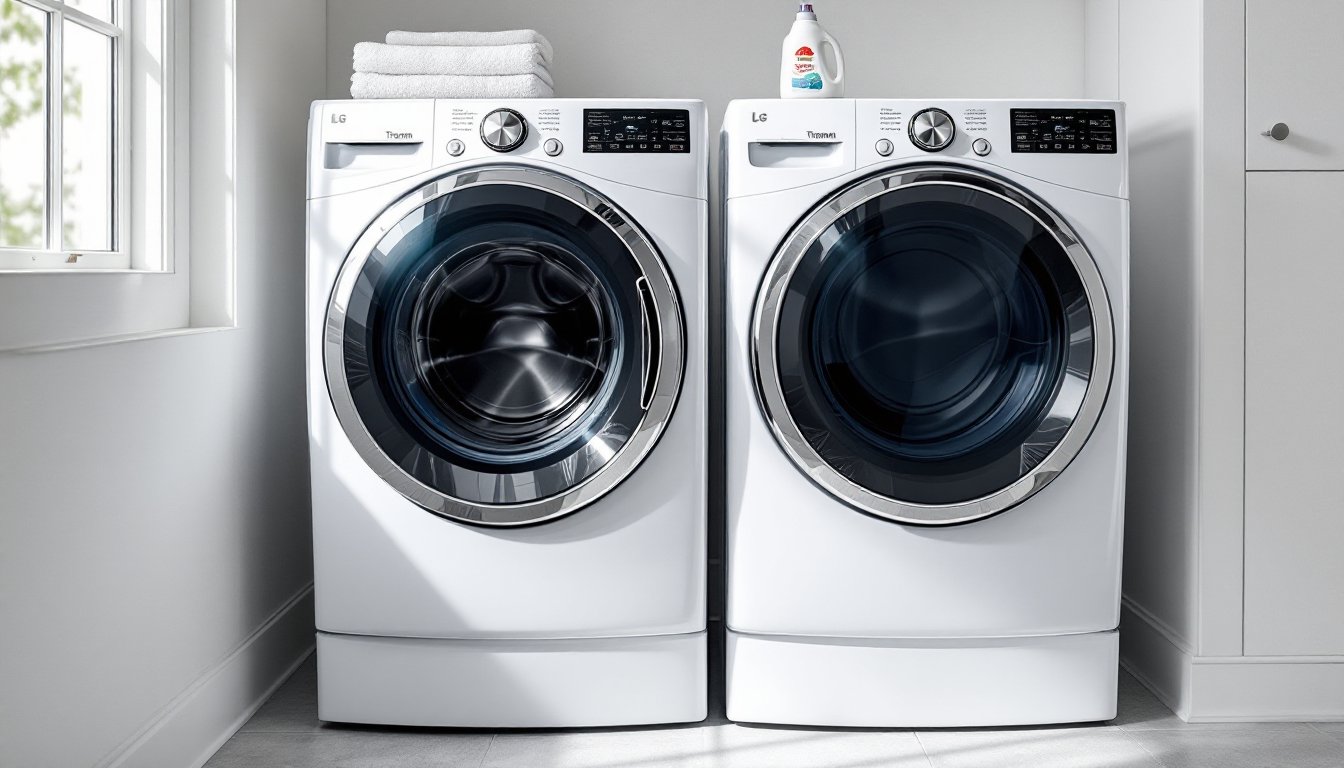
The LG Tromm series isn’t just another discontinued appliance line, it’s a workhorse that thousands of homeowners still rely on. Produced primarily from the early 2000s through 2012, these front-load washers and matching dryers introduced features that were ahead of their time. If you own a Tromm unit, you’re probably dealing with questions about repairs, parts availability, or whether it’s time to upgrade. If you’re considering buying one used, you need to know what you’re getting into. This guide covers everything from troubleshooting common issues to assessing whether a used Tromm is worth your money in 2026.
Table of Contents
ToggleKey Takeaways
- The LG Tromm washer and dryer series features stainless steel drums, direct-drive motors, and water-efficient sensors that still deliver solid performance over a decade after production ended in 2012.
- Common issues like door seal mold, OE error codes (drain clogs), and LE error codes (motor faults) are fixable with basic troubleshooting and readily available replacement parts costing $15–$300.
- For a used LG Tromm purchase in 2026, expect to pay $200–$400 for good condition units; anything over $500 is overpriced given age and parts uncertainty.
- Monthly maintenance including door seal wiping, vinegar wash cycles, drain filter cleaning, and proper detergent dosing extends Tromm lifespan significantly and prevents costly repairs.
- Budget an extra $200–$300 for potential repairs in the first year of ownership, and consider newer budget models ($400–$600) as alternatives if the Tromm unit is over 15 years old.
What Made the LG Tromm Series Stand Out?
When LG launched the Tromm line, it was positioned as a premium offering with European-inspired design and engineering. The name itself, Tromm means “drum” in Norwegian, signaled LG’s commitment to front-load technology at a time when top-loaders still dominated the U.S. market.
These machines were built with stainless steel drums, direct-drive motors (fewer moving parts, less vibration), and capacities ranging from 3.5 to 4.2 cubic feet for washers. That’s large enough to handle king-size comforters without a trip to the laundromat. The dryers, often in the 7.3 cubic foot range, paired well with their washer counterparts and offered sensor drying to prevent over-drying.
The Tromm series also introduced steam refresh cycles, which were uncommon in residential machines at the time. This feature allowed users to de-wrinkle and freshen clothes without a full wash, a real time-saver for lightly worn garments.
Key Features and Technology
The NeveRust stainless steel drum was a major selling point. Unlike porcelain-coated drums that chip and rust over time, stainless steel holds up against zipper snags, belt buckles, and years of use. The 6-Motion Direct Drive technology varied drum movement depending on fabric type, tumbling for delicates, stepping for heavily soiled items, and scrubbing for stubborn stains.
LG’s Intelligent Wash System used sensors to detect load size and soil level, adjusting water and detergent usage accordingly. This wasn’t just marketing fluff: it genuinely reduced water consumption compared to older top-loaders, often using 12-15 gallons per load versus 30+ gallons for conventional machines.
The TrueSteam feature (on select models) injected steam during wash and rinse cycles, which helped with allergen reduction and stain penetration. The LoDecibel Quiet Operation kept noise levels below 55 decibels during wash cycles, quieter than a typical conversation, making these machines viable for homes where the laundry room shares a wall with living spaces.
Many Tromm dryers included sensor drying with moisture detection, automatically shutting off when clothes reached the selected dryness level. This prevented the fabric damage and energy waste that comes from over-drying.
Common Issues and Troubleshooting Tips
Like any appliance with 10-20 years of use, Tromm units develop predictable problems. The good news? Most are fixable without calling a tech.
Door seal (boot) mold and odor is the most reported issue. Front-loaders trap moisture in the rubber gasket, and if you close the door after each cycle, mold thrives. Wipe the seal dry after every use and leave the door ajar. Monthly, run a cleaning cycle with 2 cups of white vinegar or a commercial washer cleaner.
OE error code (drain issue) typically points to a clogged drain pump filter or kinked drain hose. Locate the small access panel at the front lower corner of the washer, usually behind a kickplate. Unscrew the filter (have towels ready: water will spill out), remove lint and debris, then reinstall. Check the drain hose for kinks or blockages.
LE error code (motor or hall sensor fault) is trickier. It often indicates an overloaded drum or a failing rotor position sensor. Try redistributing the load and restarting. If it persists, the hall sensor (which tells the motor how fast to spin) may need replacement, a job for someone comfortable with disassembly and wiring.
Excessive vibration during spin usually stems from an unbalanced load, but it can also signal worn suspension rods or shock absorbers. Tromm washers use four suspension rods and dampers. If your machine “walks” across the floor even with balanced loads, those parts may be shot. Replacement isn’t difficult, each rod bolts to the cabinet and drum frame, but you’ll need to tilt the machine or lay it on its back. Always unplug the unit and shut off water supply before any repair work. Wear safety goggles and gloves.
Dryer not heating often points to a blown thermal fuse (a safety device that cuts power if the exhaust is blocked) or a faulty heating element. Check the vent duct first, clogs are the leading cause of thermal fuse failure. If the vent is clear, access the thermal fuse (typically mounted on the blower housing) with a multimeter. No continuity? Replace it. Elements are less common failures but can burn out over time.
For homes dealing with appliance longevity issues, understanding these failure points helps extend service life across all major equipment.
Finding Replacement Parts and Service Options
Parts availability is the biggest concern for Tromm owners in 2026. LG discontinued the line over a decade ago, but many components are still in stock through third-party suppliers.
OEM (Original Equipment Manufacturer) parts are available through sites like RepairClinic, AppliancePartsPros, and SearsPartsDirect. You’ll need your model number, found on a sticker inside the door or on the back panel. Common parts like door seals, drain pumps, and filters run $15-$60. Motor components and control boards are pricier, typically $100-$300.
Aftermarket parts are cheaper but quality varies. Stick with brands that have verifiable reviews. A $12 generic door seal might fit, but if it doesn’t form a proper seal, you’re back to square one (and dealing with leaks).
Local appliance repair shops can often source parts faster than you can, and they’ll have the diagnostic tools to pinpoint issues. Expect a $75-$125 service call plus parts and labor. For major repairs (control board replacement, motor swap), you’re looking at $250-$400 total.
DIY repair is viable for many Tromm issues if you’re comfortable with hand tools and following video guides. YouTube has extensive Tromm-specific repair walkthroughs. You’ll need a socket set, nut drivers, and possibly Torx bits depending on your model. A multimeter is essential for diagnosing electrical faults.
Warranty and service plans are long expired on these units, so extended warranties aren’t an option. Some credit cards offer purchase protection on used appliances, but that’s rare.
If you’re comparing laundry solutions and considering newer options, reviews of modern stackable washer and dryer sets highlight how current technology has evolved.
Maintaining Your LG Tromm for Longevity
Proper maintenance is the difference between a Tromm lasting 15 years and one dying at 10.
Monthly cleaning cycle: Run an empty hot-water cycle with 2 cups of white vinegar or a washer cleaning tablet. This dissolves detergent residue and kills mold in hidden crevices.
Wipe the door seal after every load. This can’t be overstated. Moisture trapped in the folds breeds mildew, which causes that sour smell and eventually degrades the rubber.
Use HE (high-efficiency) detergent only, and use less than you think. The Tromm’s front-load design creates more suds with less detergent. Excess suds leave residue and can trigger error codes. A tablespoon for normal loads is usually enough.
Check and clean the drain filter monthly. Pet hair, coins, and lint accumulate fast. A clogged filter causes slow draining, extended cycle times, and eventual pump failure.
Inspect hoses annually. Rubber supply hoses degrade over time. If yours are original (over 10 years old), replace them with braided stainless steel hoses. They cost $15-$25 and prevent catastrophic leaks. Tighten connections if you notice seepage.
Level the machine. An unlevel washer vibrates excessively, wearing out suspension components and creating noise. Use a bubble level on top of the washer and adjust the four leveling feet until it’s perfectly level front-to-back and side-to-side.
Clean the dryer lint trap after every load, and vacuum the vent duct annually. A clogged vent reduces efficiency, increases drying time, and poses a fire hazard. Disconnect the duct, pull it outside, and use a dryer vent brush kit (about $15 at any hardware store).
Don’t overload. The Tromm can handle large loads, but cramming it full prevents proper tumbling and cleaning. Clothes should have room to move. A good rule: fill the drum three-quarters full at most.
Homeowners managing multiple systems can cross-reference general appliance care practices to build consistent maintenance routines.
Is the LG Tromm Worth Buying Used in 2026?
This depends on price, condition, and your backup plan.
Price threshold: A used Tromm pair should cost $200-$400 depending on condition and your market. Anything over $500 is too much given the age and parts uncertainty. For context, a new budget front-load pair runs $1,000-$1,500, and mid-range models with modern features (Wi-Fi, app control, larger drums) start around $1,800.
Condition checklist: If buying used, inspect these before handing over cash:
- Run a full wash and dry cycle. Listen for grinding, excessive vibration, or error codes.
- Check the door seal for cracks, tears, or heavy mold.
- Open the drain filter, heavy buildup signals poor maintenance.
- Inspect the drum for rust, though stainless drums rarely rust.
- Test all cycles (delicate, heavy-duty, steam if available).
- Smell the drum. Persistent odor is hard to eliminate and indicates chronic mold.
Age matters. If the unit is 15+ years old, you’re on borrowed time. Parts are available now, but that could change. And even well-maintained machines face motor, bearing, and control board failures at that age.
Energy efficiency: The Tromm was efficient for its time, but newer Energy Star models use 30-40% less energy and water. If you’re keeping the unit for 5+ years, a new machine’s efficiency savings may offset the higher upfront cost. Calculate your local water and electricity rates to see the real difference.
Repair risk: Budget an extra $200-$300 for potential repairs in the first year. If the machine needs a major component (motor, control board, drum bearing), you’re approaching the cost of a new budget set.
Best-case scenario: You find a gently used Tromm (8-12 years old), well-maintained, for under $300. The owner provides maintenance records. It’s been in a low-use household (no kids, infrequent heavy loads). That’s a good deal for someone handy enough to handle minor repairs.
Worst-case: You pay $400+ for a 15-year-old unit with unknown history, and it throws an LE error three months in. Now you’re sourcing a motor or hall sensor, spending another $150-$250, and you’re $600+ into an old machine.
Alternative: If you’re buying used to save money, consider a newer (2015+) budget model instead. Many off-brand and refurbished options in the $400-$600 range offer warranties and modern efficiency.
Conclusion
The LG Tromm washer and dryer earned their reputation through solid engineering and features that still hold up today. If you already own a Tromm, routine maintenance and timely repairs can keep it running for years. If you’re buying used, go in with realistic expectations about age, parts availability, and repair costs. At the right price and in good condition, a Tromm can serve you well, but know when to walk away if the deal doesn’t add up.