Luxury homes ideas start with a simple question: what makes a house feel truly extraordinary? It’s not just about square footage or a prestigious address. The best luxury properties combine striking architecture, premium materials, and thoughtful design choices that elevate daily living into something special.
Whether someone dreams of a sleek modern estate or a classic Mediterranean villa, the possibilities for high-end residential design have never been more exciting. Today’s luxury homeowners want spaces that reflect their personality while delivering comfort, functionality, and visual impact. This guide explores the design elements, architectural styles, and amenities that define elegant living in 2025.
Table of Contents
ToggleKey Takeaways
- Luxury homes ideas go beyond size and location—they combine striking architecture, premium materials, and thoughtful design to elevate everyday living.
- Popular architectural styles for luxury properties include Modern Contemporary, Mediterranean Revival, French Provincial, and Transitional designs that blend classic with modern elements.
- High-end interiors feature wide-plank hardwood floors, custom millwork, layered lighting, and premium wall treatments like Venetian plaster and silk wallcoverings.
- Statement kitchens with professional-grade appliances and spa-like bathrooms with freestanding tubs and steam showers are essential features in today’s luxury homes.
- Outdoor living spaces—including full outdoor kitchens, infinity pools, and entertainment amenities—extend usable square footage and maximize property value.
- Smart home technology and sustainable features like solar panels, geothermal systems, and EV charging stations have become standard luxury homes ideas for 2025.
Architectural Styles That Define Luxury
Architecture sets the foundation for any luxury home. The exterior creates that crucial first impression, while the structural design shapes how residents experience every room.
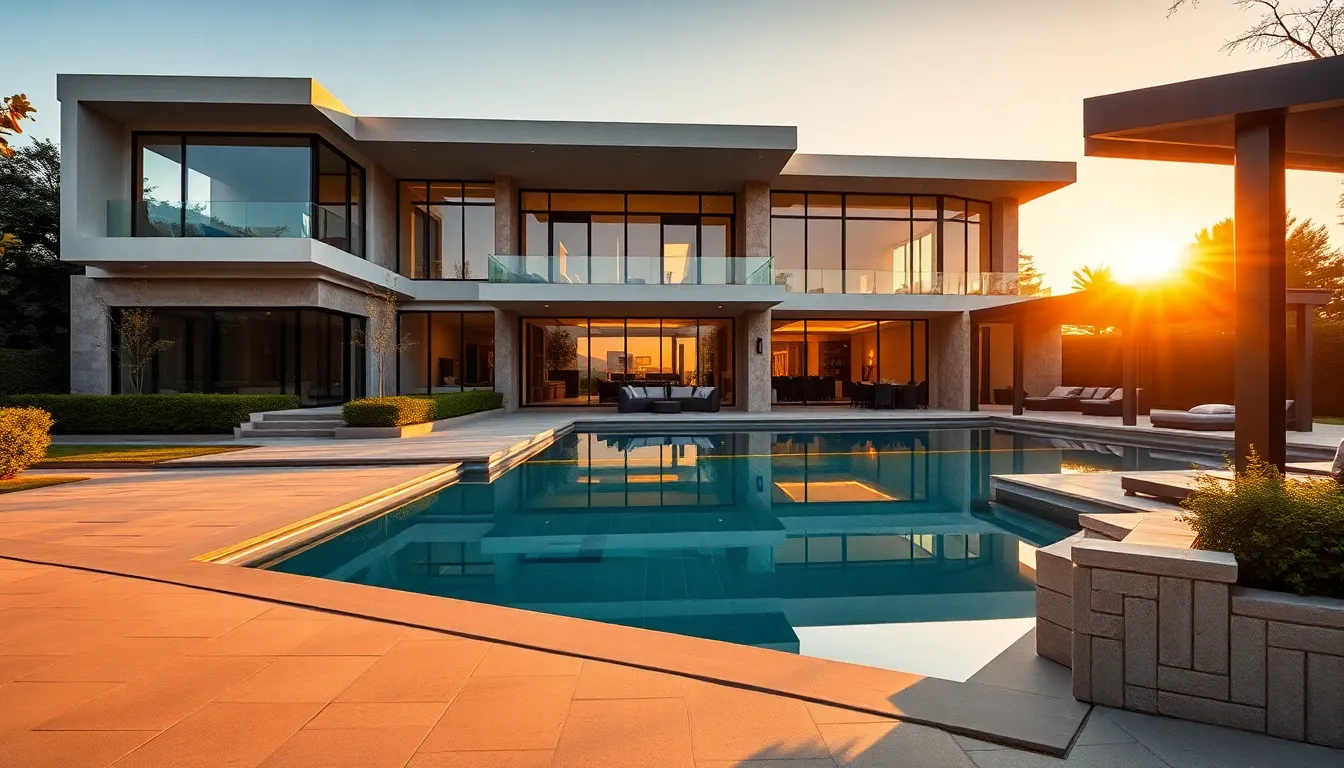
Modern Contemporary remains one of the most popular luxury homes ideas. Clean lines, floor-to-ceiling windows, and open floor plans define this style. Architects favor materials like steel, glass, and concrete to create striking geometric forms. These homes often feature flat or low-pitched roofs, cantilevered sections, and seamless indoor-outdoor transitions.
Mediterranean Revival offers warmth and old-world charm. Red clay tile roofs, stucco walls, and arched doorways characterize this style. Courtyards, fountains, and wrought-iron details add authenticity. This architecture works especially well in warm climates where outdoor living is a priority.
French Provincial brings European elegance to residential design. Symmetrical facades, steep rooflines, and natural stone exteriors create a stately appearance. Interior spaces typically include formal rooms with high ceilings, ornate moldings, and refined finishes.
Transitional architecture blends traditional and contemporary elements. This style appeals to homeowners who appreciate classic proportions but want updated aesthetics. Expect traditional rooflines paired with modern window configurations and simplified trim details.
The most impressive luxury homes ideas often incorporate custom architectural features. Think double-height great rooms, dramatic entry rotundas, or glass-enclosed wine cellars. These signature elements transform a house into a one-of-a-kind residence.
High-End Interior Design Elements
Interior design transforms architectural shells into livable luxury. Premium finishes, custom millwork, and curated furnishings work together to create cohesive, sophisticated spaces.
Flooring choices make a significant impact. Wide-plank hardwood floors in walnut or white oak remain timeless options. Large-format natural stone tiles, marble, travertine, or limestone, add grandeur to formal areas. Some luxury homes ideas incorporate heated flooring systems for comfort during colder months.
Wall treatments extend beyond simple paint. Venetian plaster adds depth and texture. Custom paneling, whether traditional raised panels or modern flat designs, creates architectural interest. Wallcoverings in silk, grasscloth, or leather make bold statements in dining rooms and libraries.
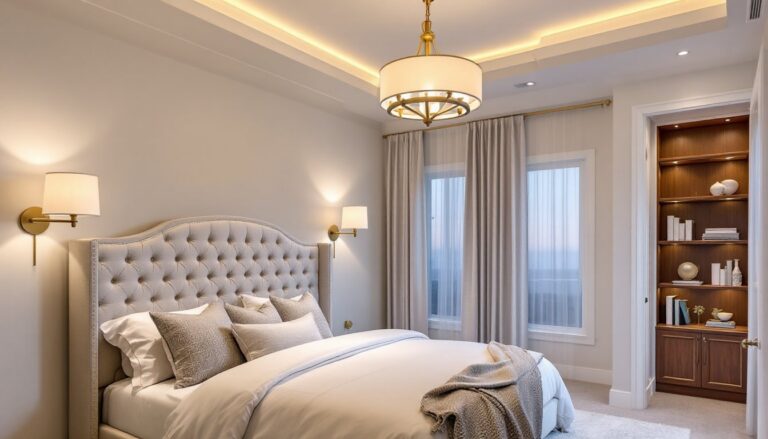
Lighting design deserves careful attention. Layered lighting combines ambient, task, and accent sources. Statement chandeliers serve as focal points in entryways and dining spaces. Recessed fixtures, cove lighting, and strategically placed sconces complete the scheme. Smart lighting controls allow homeowners to set scenes for different occasions.
Custom millwork distinguishes luxury interiors. Built-in bookcases, coffered ceilings, and elaborate crown moldings add character. Hidden doors, integrated storage solutions, and custom cabinetry throughout the home demonstrate attention to detail.
Statement Kitchens and Spa-Like Bathrooms
Kitchens have become the heart of luxury homes. Professional-grade appliances from brands like Sub-Zero, Wolf, and Miele satisfy serious home cooks. Large islands with waterfall countertops provide prep space and casual seating. Butler’s pantries offer secondary prep areas and hide kitchen clutter from guests.
Material selections elevate kitchen design. Quartzite and marble countertops remain popular luxury homes ideas. Custom cabinetry in painted finishes or natural wood tones provides storage. Metal accents in brass, bronze, or matte black add warmth and contrast.
Primary bathrooms rival high-end spas. Freestanding soaking tubs serve as sculptural centerpieces. Walk-in showers feature multiple showerheads, body jets, and steam functions. Heated towel bars, radiant floor heating, and integrated sound systems enhance the experience.
Double vanities with ample counter space accommodate couples. Backlit mirrors, custom storage solutions, and premium fixtures from brands like Waterworks or Dornbracht complete these private retreats.
Outdoor Living and Entertainment Spaces
Outdoor spaces extend living areas and maximize property value. The best luxury homes ideas blur boundaries between interior and exterior environments.
Outdoor kitchens have evolved beyond basic grills. Full cooking stations include built-in grills, smokers, pizza ovens, and refrigeration. Covered dining areas with weather-resistant furnishings allow year-round entertaining. Some homeowners add outdoor bars with ice makers, wine storage, and draft beer systems.
Pools remain essential luxury amenities. Infinity edges create dramatic visual effects, especially on hillside properties. Negative-edge designs, beach entries, and integrated spas add variety. Pool houses provide changing areas, bathrooms, and storage for equipment.
Landscaping transforms properties into private estates. Mature trees, manicured hedges, and seasonal plantings create layered environments. Water features, fountains, ponds, or streams, add sound and movement. Professional landscape lighting extends outdoor enjoyment into evening hours.
Entertainment-focused luxury homes ideas include putting greens, tennis courts, and sport courts. Fire pits and outdoor fireplaces create gathering spots. Covered pavilions or pergolas define outdoor rooms for lounging and dining.
Smart Home Technology and Sustainable Features
Technology integration has become standard in luxury properties. Smart home systems control lighting, climate, security, and entertainment from centralized interfaces or mobile devices.
Automated systems manage window treatments, adjusting shades based on time of day or sun position. Whole-house audio distributes music to any room. Dedicated home theaters feature 4K projection, immersive sound systems, and acoustic treatments for optimal viewing experiences.
Security systems include cameras, motion sensors, and smart locks. Many luxury homes ideas incorporate safe rooms with reinforced construction. Gate systems, intercom networks, and visitor management platforms protect privacy.
Sustainability features appeal to environmentally conscious homeowners. Solar panel arrays reduce energy costs and carbon footprints. Geothermal heating and cooling systems provide efficient climate control. High-performance windows and insulation minimize energy loss.
Water conservation measures include rainwater harvesting, graywater recycling, and drought-tolerant landscaping. Electric vehicle charging stations accommodate current and future transportation needs. These green features often qualify for tax incentives while reducing operating costs.