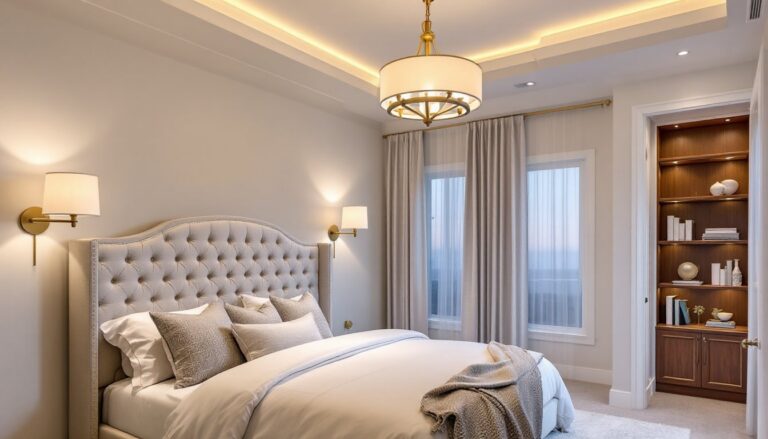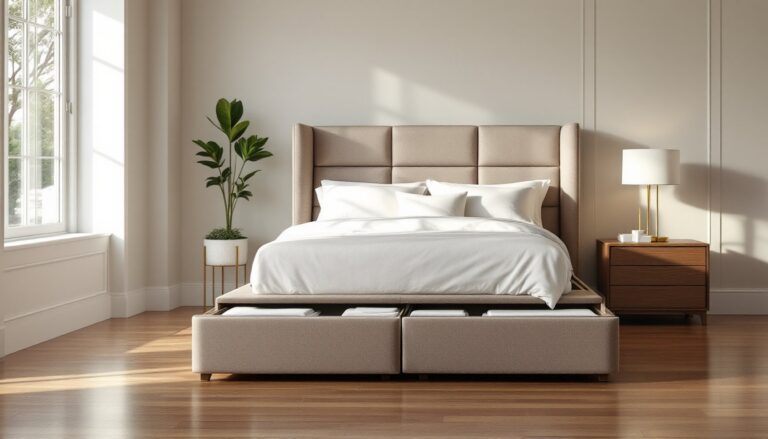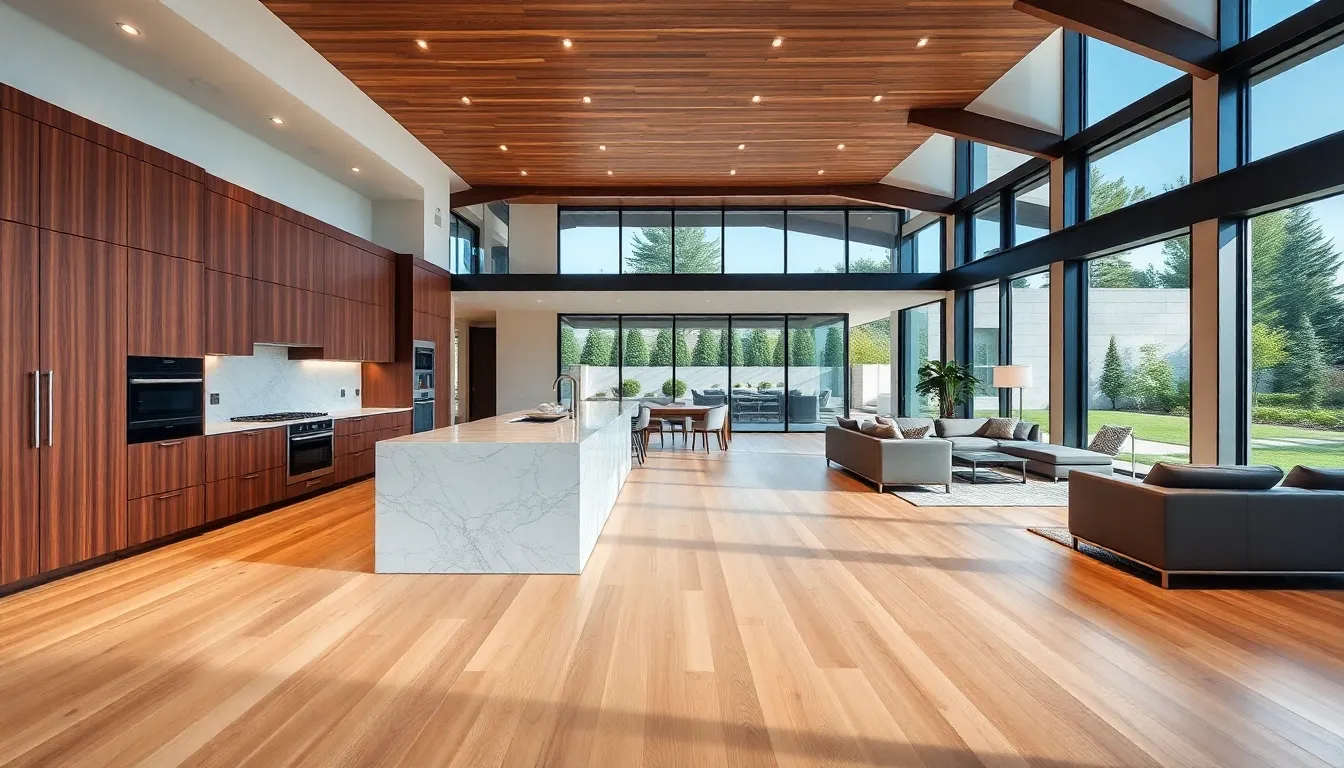
Luxury homes techniques define the difference between ordinary residences and exceptional living spaces. These methods combine architectural precision, premium materials, and advanced technology to create homes that stand apart. High-end construction requires specific approaches that prioritize quality, craftsmanship, and long-term value.
The market for luxury residences continues to grow as buyers demand more from their properties. They want spaces that reflect sophistication while delivering practical benefits like energy efficiency and smart automation. This article explores the key techniques that builders and designers use to achieve these standards.
Table of Contents
ToggleKey Takeaways
- Luxury homes techniques combine architectural precision, premium materials, and smart technology to create exceptional living spaces.
- High-end design prioritizes open floor plans, 10-12 foot ceilings, and strategic site orientation to maximize natural light and views.
- Premium materials like Italian marble, Brazilian hardwoods, and natural stone facades deliver superior aesthetics and long-term durability.
- Smart home integration—including climate control, lighting automation, and security systems—is now standard in luxury construction.
- Sustainable building practices such as solar panels, triple-pane windows, and water conservation systems have become essential luxury homes techniques.
- Attention to finishing details like invisible seams, custom cabinetry, and solid hardware distinguishes truly exceptional residences from standard construction.
Architectural Design Principles for High-End Residences
Luxury homes techniques start with architectural design that balances aesthetics and function. High-end residences require thoughtful planning from the earliest stages. Architects working on these projects prioritize spatial flow, natural light, and visual impact.
Open floor plans remain popular in luxury construction. They create a sense of expansiveness while allowing flexible use of space. Large windows and glass walls bring the outdoors inside, connecting living areas to landscaped gardens or scenic views.
Proportions matter significantly in luxury design. Ceiling heights of 10 to 12 feet give rooms a grand feel. Custom millwork and architectural details like crown moldings, coffered ceilings, and built-in cabinetry add character. These elements require skilled craftspeople who understand precision.
Site orientation plays a critical role too. Architects position luxury homes to maximize natural light and capture desirable views. They consider sun paths throughout the year to optimize heating and cooling. This attention to placement distinguishes luxury homes techniques from standard construction approaches.
Privacy features often influence design decisions. Setbacks from property lines, strategic landscaping, and thoughtful window placement ensure residents enjoy seclusion. Interior zoning separates public entertaining spaces from private family areas.
Premium Materials and Finishing Techniques
Material selection defines the quality of luxury homes. Builders source premium materials from around the world to achieve specific aesthetics and performance standards. Italian marble, Brazilian hardwoods, and European tiles appear frequently in high-end projects.
Natural stone remains a hallmark of luxury construction. Granite, marble, quartzite, and onyx create stunning surfaces in kitchens, bathrooms, and entryways. Each slab offers unique veining and coloration. Skilled installers match patterns across surfaces for visual continuity.
Hardwood flooring in luxury homes uses species like white oak, walnut, and reclaimed antique wood. Wide-plank formats create dramatic visual impact. Hand-scraped and wire-brushed finishes add texture and character that machine-processed floors cannot replicate.
Luxury homes techniques extend to finishing details that most buyers never consciously notice. Perfect corners, invisible seams, and flawless paint applications require extra time and expertise. Hardware selections, door handles, cabinet pulls, and plumbing fixtures, feature solid brass, bronze, or stainless steel rather than hollow alternatives.
Custom cabinetry distinguishes luxury kitchens and closets. These pieces use dovetail joints, soft-close mechanisms, and premium wood species. Artisan painters apply multiple coats with hand-sanding between each layer to achieve glass-smooth surfaces.
Exterior materials receive equal attention. Natural stone facades, copper roofing, and cedar siding weather beautifully over decades. These materials cost more initially but deliver superior longevity and appearance.
Smart Home Integration and Advanced Technology
Modern luxury homes techniques incorporate technology throughout the residence. Smart home systems control lighting, climate, security, and entertainment from centralized platforms. Homeowners manage these systems through wall panels, smartphones, or voice commands.
Lighting control systems allow scene setting for different activities. A dinner party might call for dimmed ambient light, while morning routines benefit from bright, energizing illumination. Automated shades adjust based on time of day or sun position.
Climate systems in luxury homes go beyond standard HVAC. Zoned heating and cooling let occupants set different temperatures in various rooms. Radiant floor heating provides consistent, comfortable warmth without visible registers or ductwork.
Security features include biometric entry systems, camera networks, and integrated monitoring. Many luxury homes use fiber-optic networks for faster connectivity. Dedicated server rooms house equipment that powers these systems.
Home theaters and audio systems represent significant investments. Acoustic treatments optimize sound quality. Hidden speakers deliver music throughout the home without visible equipment. These installations require planning during construction rather than retrofit after completion.
Luxury homes techniques now include wellness technology. Air purification systems, water filtration, and circadian lighting support occupant health. Some residences feature dedicated spa facilities with steam rooms, saunas, and cold plunge pools.
Sustainable Building Practices in Luxury Construction
Sustainability has become essential to luxury homes techniques. High-end buyers increasingly demand energy efficiency and environmental responsibility. Green building practices reduce operating costs while supporting ecological values.
Solar panel installations generate electricity on-site. Battery storage systems retain excess energy for nighttime use or grid outages. Ground-source heat pumps leverage stable underground temperatures for efficient heating and cooling.
Insulation and building envelope performance receive significant attention. Triple-pane windows, advanced weather sealing, and continuous insulation systems minimize energy loss. These features reduce utility bills substantially over time.
Water conservation measures include rainwater harvesting, greywater recycling, and drought-tolerant landscaping. Smart irrigation systems water plants only when needed based on weather data and soil moisture sensors.
Material sourcing considers environmental impact. FSC-certified wood comes from responsibly managed forests. Recycled and reclaimed materials reduce demand for new resources. Low-VOC paints and finishes improve indoor air quality.
Many luxury projects pursue certifications like LEED or Passive House standards. These frameworks verify sustainable construction practices through third-party review. Certification adds value and demonstrates commitment to environmental stewardship.
Luxury homes techniques now treat sustainability as a premium feature rather than a compromise. The most sophisticated residences prove that environmental responsibility and exceptional quality can coexist.