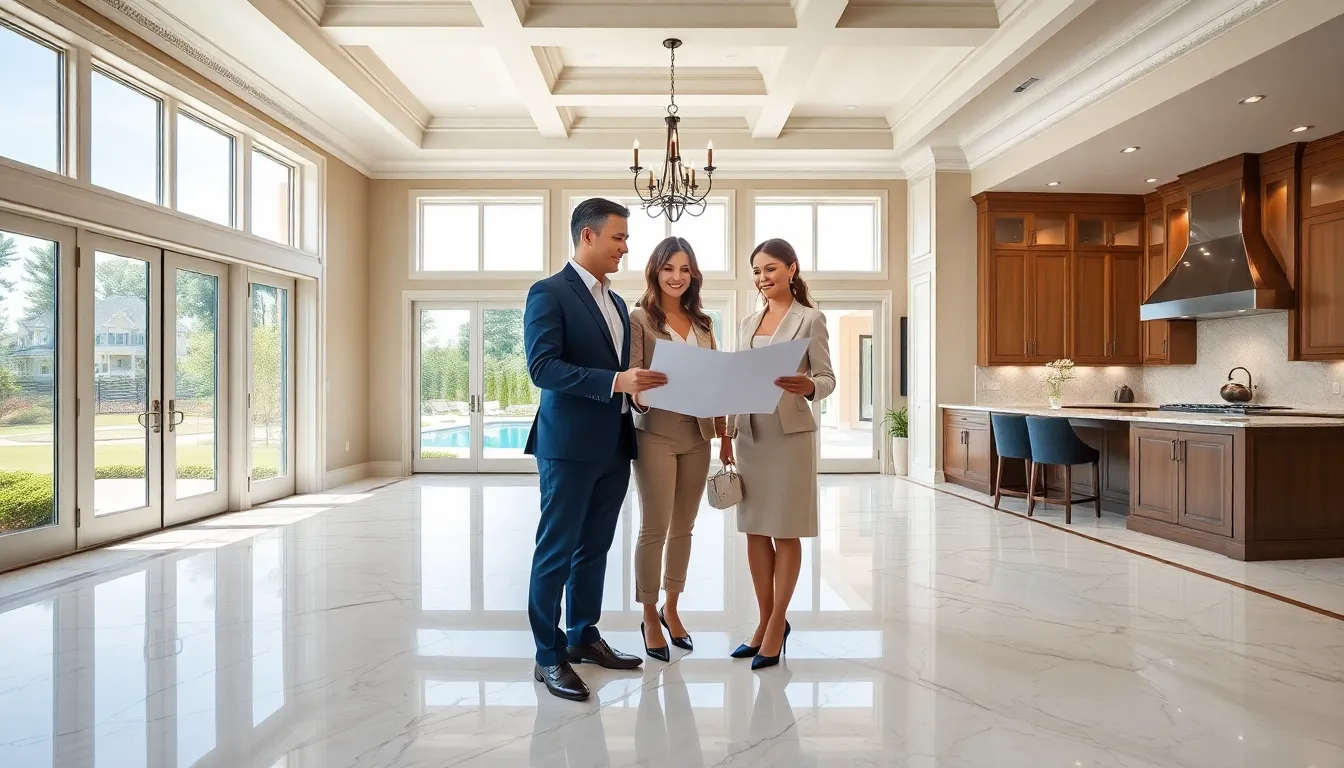
Luxury homes tips can make the difference between a smart investment and a costly mistake. Whether someone is buying their first high-end property or already owns one, understanding what sets luxury real estate apart matters. The luxury market operates differently from standard residential sales. Prices are higher, expectations are steeper, and details carry more weight. This guide covers what defines a luxury home, which features deserve attention, how to choose the right professionals, and ways to protect long-term value. These practical luxury homes tips apply to buyers shopping for their dream property and current owners looking to maximize their investment.
Table of Contents
ToggleKey Takeaways
- Location, construction quality, and exclusivity—not just price—define true luxury homes and should guide every buying decision.
- Prioritize features that hold long-term value, such as architectural integrity, energy efficiency, modern amenities, and robust security systems.
- Work with specialized professionals including luxury real estate agents, experienced attorneys, and inspectors familiar with high-end properties to avoid costly mistakes.
- Create a proactive maintenance schedule for all major systems and keep detailed records to protect your luxury home’s value over time.
- Match any upgrades to your home’s character and local market expectations to maximize return on investment when selling.
Understanding What Defines a Luxury Home
A luxury home goes beyond a high price tag. Location, quality, and exclusivity define true luxury real estate. Most experts agree that luxury properties sit in the top 5-10% of their local market. In some cities, that means homes priced above $1 million. In others, the threshold starts at $5 million or higher.
Location remains the most important factor. Waterfront views, proximity to cultural centers, and access to top schools push properties into luxury territory. A mansion in a remote area won’t command the same value as a penthouse overlooking Central Park.
Construction quality separates luxury from merely expensive. High-end homes feature premium materials like imported marble, hand-finished woodwork, and custom architectural details. They’re built to last generations, not decades.
Square footage matters, but space alone doesn’t create luxury. A 10,000-square-foot home with poor design feels less luxurious than a well-planned 5,000-square-foot estate. Thoughtful layouts, natural light, and flow between rooms define the experience.
Privacy and exclusivity add value too. Gated communities, private driveways, and secluded lots appeal to buyers who want separation from neighbors. Some luxury buyers specifically seek properties with limited visibility from public roads.
These luxury homes tips help buyers recognize authentic value. Understanding what makes a property genuinely luxurious prevents overpaying for homes that simply carry big price tags without the substance to match.
Key Features to Prioritize When Buying a Luxury Property
Smart buyers focus on features that hold value over time. Not every upgrade delivers equal returns. Some additions become dated quickly while others remain desirable for decades.
Prime location should top every buyer’s list. A stunning home in the wrong neighborhood will struggle to appreciate. Research local development plans, school ratings, and crime statistics before committing. The best luxury homes tips always circle back to location.
Architectural integrity deserves careful attention. Homes designed by recognized architects often command premiums at resale. Original period details in historic properties, think crown moldings, coffered ceilings, and built-in cabinetry, add character that new construction can’t replicate.
Modern amenities matter to today’s luxury buyers. Home automation systems, climate-controlled wine cellars, professional-grade kitchens, and spa-like bathrooms rank high on wish lists. Outdoor living spaces with pools, outdoor kitchens, and landscaped gardens extend usable square footage.
Energy efficiency has become a priority. Solar panels, geothermal heating, and high-performance insulation reduce operating costs. They also appeal to environmentally conscious buyers when it’s time to sell.
Security features protect both residents and investments. Integrated alarm systems, surveillance cameras, safe rooms, and controlled access points provide peace of mind. Many luxury buyers consider security non-negotiable.
Garage space often gets overlooked. Serious car collectors need room for multiple vehicles. Climate-controlled garages with proper ventilation protect valuable automobiles from humidity and temperature swings.
Don’t ignore practical concerns like storage, mechanical systems, and roof condition. A beautiful home with a 20-year-old HVAC system or outdated electrical panel will require significant investment soon after purchase.
Working With the Right Professionals
The luxury market demands specialized expertise. Agents who excel at $300,000 homes may lack experience at higher price points. Choosing the right team protects buyers from expensive mistakes.
A luxury real estate agent should have a proven track record in high-end transactions. Ask about recent sales, average price points, and local market knowledge. The best agents maintain relationships with other luxury specialists, giving clients access to off-market properties.
Real estate attorneys play a critical role in luxury purchases. These transactions often involve complex structures, trusts, LLCs, and international buyers. An experienced attorney reviews contracts, handles title issues, and ensures proper documentation.
Home inspectors need luxury-specific experience. Standard inspectors may miss issues with specialized systems like elevators, commercial kitchen equipment, or geothermal heating. Hire inspectors familiar with high-end construction methods and materials.
Appraisers determine property value for lenders and buyers. Luxury appraisals require knowledge of unique features and comparable sales. Finding true comparables becomes difficult at higher price points, making appraiser expertise essential.
Wealth managers and tax advisors should weigh in on major purchases. They can structure ownership to minimize tax liability and protect assets. Some luxury homes tips focus on finding the right property, this one focuses on protecting the buyer’s interests throughout the transaction.
Building relationships with these professionals before starting a search saves time and stress. A strong team works together to identify opportunities and avoid pitfalls.
Maintaining and Enhancing Your Luxury Home’s Value
Owning a luxury home requires ongoing attention. Deferred maintenance erodes value quickly. Proactive care protects the investment and prevents small problems from becoming major expenses.
Create a maintenance schedule for all major systems. HVAC equipment needs annual servicing. Roofs require regular inspections. Pools demand consistent chemical balancing and equipment checks. Document everything, buyers appreciate detailed maintenance records.
Landscaping impacts curb appeal and property value. Mature trees, manicured lawns, and seasonal plantings create strong first impressions. Budget for professional landscape maintenance rather than letting grounds deteriorate.
Upgrades should match the home’s character and local market expectations. A ultra-modern kitchen renovation in a historic Victorian may actually decrease value. Research what luxury buyers in the area expect before starting major projects.
Smart home technology upgrades make sense for most properties. Updated lighting controls, integrated audio systems, and modern security features appeal to contemporary buyers. These systems also improve daily living for current owners.
Energy improvements deliver both immediate and long-term benefits. New windows reduce utility costs while upgrading aesthetics. Upgraded insulation improves comfort year-round. These luxury homes tips help owners enjoy their properties while building equity.
Consider hiring a property manager for vacation homes or properties with extensive grounds. Professional management ensures consistent care even when owners are away. Managers coordinate vendors, handle emergencies, and maintain the property to high standards.
Keep detailed records of all improvements, repairs, and upgrades. When it’s time to sell, this documentation demonstrates care and justifies pricing. Buyers pay premiums for well-maintained luxury properties with clear history.