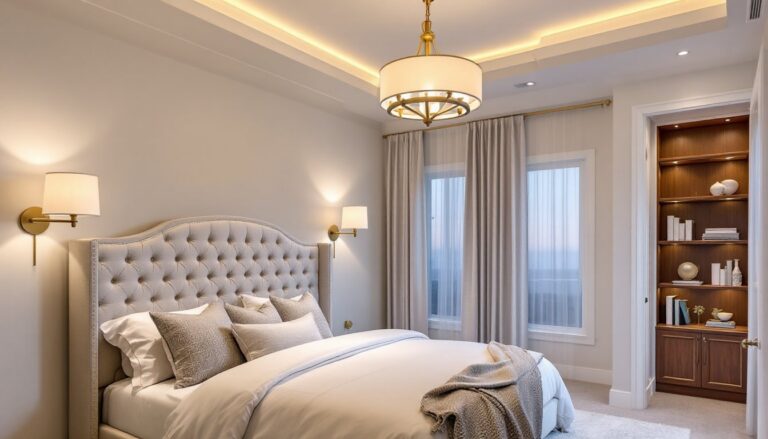
Luxury homes vs. standard homes, it’s a comparison that goes far beyond square footage and price tags. Buyers exploring the high-end market often discover that luxury properties offer a different lifestyle altogether. The gap between these two categories touches everything from location and construction quality to long-term investment potential.
Understanding these differences helps buyers make smarter decisions. Whether someone is upgrading from a standard home or entering the luxury market for the first time, knowing what sets these properties apart can save time, money, and frustration. This guide breaks down the key factors that distinguish luxury homes from their standard counterparts.
Table of Contents
ToggleKey Takeaways
- Luxury homes vs standard homes differ in location, construction quality, amenities, and long-term investment potential—not just price.
- Prime locations with waterfront views, prestigious neighborhoods, and top school districts define true luxury properties.
- Luxury homes feature premium materials like hardwood floors, natural stone countertops, and superior mechanical systems that outperform standard construction.
- High-end amenities such as chef-grade kitchens, spa-like bathrooms, smart home integration, and wellness spaces transform luxury homes into personal resorts.
- When comparing luxury homes vs standard homes as investments, luxury properties appreciate slower but hold value better in downturns due to scarcity.
- Buyers should factor in higher maintenance costs, property taxes, and longer resale timelines when purchasing luxury real estate.
What Defines a Luxury Home
A luxury home isn’t just an expensive house. Several factors separate true luxury properties from standard homes that simply carry high price tags.
First, size matters, but not in the way most people think. Luxury homes typically exceed 3,000 square feet, though square footage alone doesn’t determine luxury status. The layout, flow, and use of space play equally important roles. A 4,000-square-foot home with awkward room placement won’t feel as luxurious as a well-designed 3,500-square-foot property.
Architectural distinction sets luxury homes apart. These properties often feature custom designs from notable architects or showcase specific styles like Mediterranean, Modern, or Colonial Revival. Standard homes, by contrast, tend to follow builder-grade templates with minimal customization.
The definition of luxury also shifts based on local markets. A luxury home in Dallas looks different from one in San Francisco or Miami. Price thresholds vary too, properties in the top 5-10% of a market’s pricing typically qualify as luxury, regardless of the actual dollar amount.
Privacy and exclusivity round out the definition. Luxury homes often sit on larger lots, feature gated entries, or occupy positions within exclusive communities. These elements create the sense of retreat that luxury buyers seek.
Location and Neighborhood Prestige
Location separates luxury homes from standard properties more than any other factor. Premium addresses command premium prices, and for good reason.
Luxury homes occupy prime real estate. Think waterfront properties, mountain views, proximity to cultural centers, or placement in historically significant neighborhoods. Standard homes may sit in pleasant areas, but they rarely offer the same access to natural beauty or urban amenities.
Neighborhood prestige carries weight in the luxury market. Established luxury enclaves like Beverly Hills, the Hamptons, or Aspen command instant recognition. Homes in these areas benefit from decades of reputation building. Newer luxury developments must work harder to establish similar status.
School districts matter even for buyers without children. Top-rated schools signal neighborhood stability and help protect property values. Luxury homes cluster around the best public and private school options.
Security and privacy also define luxury locations. Gated communities, 24-hour security, and low-traffic streets appeal to buyers who value discretion. Standard neighborhoods rarely offer these features.
Finally, luxury locations provide convenient access without sacrificing peace. Proximity to airports, fine dining, shopping, and entertainment matters, but so does distance from noise and congestion. The best luxury properties balance accessibility with tranquility.
Quality of Construction and Materials
Construction quality creates the most tangible difference between luxury homes and standard properties. Buyers can see and feel this gap the moment they walk through the door.
Luxury homes use premium materials throughout. Hardwood floors replace laminate. Natural stone countertops replace engineered alternatives. Solid wood cabinetry replaces particleboard. These material choices affect both appearance and longevity.
Structural elements also differ significantly. Luxury homes feature thicker walls, better insulation, and superior soundproofing. Many include reinforced construction for hurricane or earthquake resistance in vulnerable regions. Standard homes meet code requirements but rarely exceed them.
Mechanical systems in luxury homes outperform standard options. HVAC systems offer zoned climate control. Electrical panels accommodate smart home technology. Plumbing uses higher-grade pipes and fixtures. These systems cost more upfront but deliver better performance and fewer maintenance issues.
Craftsmanship shows in the details. Crown molding, coffered ceilings, built-in shelving, and custom millwork appear throughout luxury properties. Standard homes feature basic trim and builder-grade finishes.
Luxury homes also emphasize energy efficiency. Triple-pane windows, solar panel integration, and advanced insulation reduce utility costs while increasing comfort. Green building certifications like LEED have become common in the high-end market.
The construction timeline reflects these quality differences. Luxury homes take longer to build because custom work requires skilled labor and attention to detail. Standard homes follow faster production schedules using prefabricated components.
Amenities and Features
Amenities transform luxury homes into personal resorts. Standard homes provide shelter: luxury homes provide experiences.
Kitchens in luxury properties rival professional restaurant setups. Sub-Zero refrigerators, Wolf ranges, and custom wine storage come standard. Butler’s pantries, prep kitchens, and imported fixtures add functionality and style. Standard kitchens serve their purpose but lack these elevated elements.
Bathrooms in luxury homes resemble spas. Steam showers, soaking tubs, heated floors, and towel warmers create daily indulgence. Master suites often include his-and-hers bathrooms with separate vanity areas. Standard homes offer basic bathroom layouts without these extras.
Outdoor living spaces extend the luxury experience beyond interior walls. Infinity pools, outdoor kitchens, fire features, and covered entertainment areas appear in most luxury properties. Landscaping receives professional design attention with mature trees, water features, and lighting plans. Standard homes might include a patio and basic lawn.
Technology integration has become essential in luxury homes. Smart home systems control lighting, climate, security, and entertainment from a single interface. Built-in audio, automated window treatments, and dedicated home theaters create seamless living. Standard homes may support smart devices but lack integrated infrastructure.
Wellness amenities distinguish modern luxury properties. Home gyms, yoga studios, saunas, and indoor pools allow owners to maintain health routines without leaving home. Some luxury homes include massage rooms and meditation spaces.
Additional features vary by property but commonly include:
- Wine cellars with climate control
- Home offices with custom built-ins
- Guest houses or in-law suites
- Multi-car garages with car lifts
- Dedicated hobby rooms or workshops
Investment Value and Resale Potential
Luxury homes and standard homes behave differently as investments. Understanding these patterns helps buyers set realistic expectations.
Luxury homes typically appreciate more slowly during normal market conditions. Their higher price points limit the buyer pool, which can slow value growth. But, luxury properties in premier locations often hold value better during downturns. Scarcity protects them, there are only so many waterfront lots or historic estate properties available.
Standard homes benefit from broader demand. More buyers can afford them, creating consistent market activity. This liquidity makes standard homes easier to sell quickly when needed.
Maintenance costs affect long-term investment returns. Luxury homes require more expensive upkeep. Pool maintenance, landscape crews, and specialized system repairs add up. Buyers should factor these ongoing costs into their investment calculations.
Tax implications also differ between categories. Higher property values mean higher property taxes. Some luxury amenities, like pools or guest houses, may trigger additional assessments. Standard homes carry predictable, lower tax burdens.
Resale timing matters more for luxury homes. These properties often sit on the market longer, sometimes for months or years. Sellers need patience and financial flexibility. Standard homes typically sell faster due to higher demand.
Location quality protects luxury home values more than any other factor. A well-located luxury home in an established neighborhood will likely outperform a similar home in a developing area. Buyers prioritizing investment returns should focus on proven luxury markets rather than emerging ones.