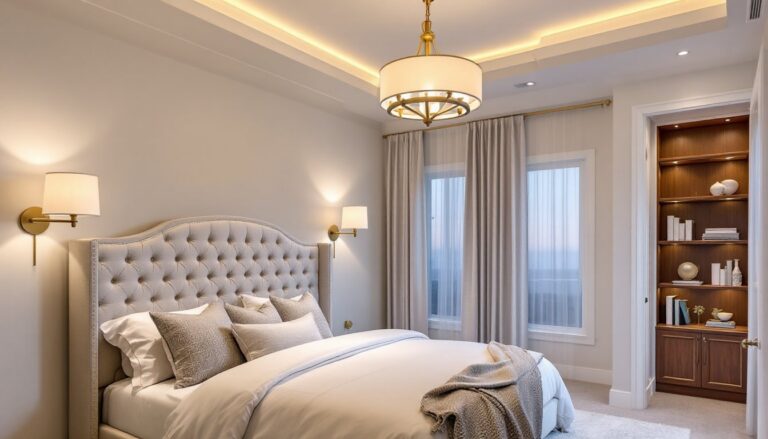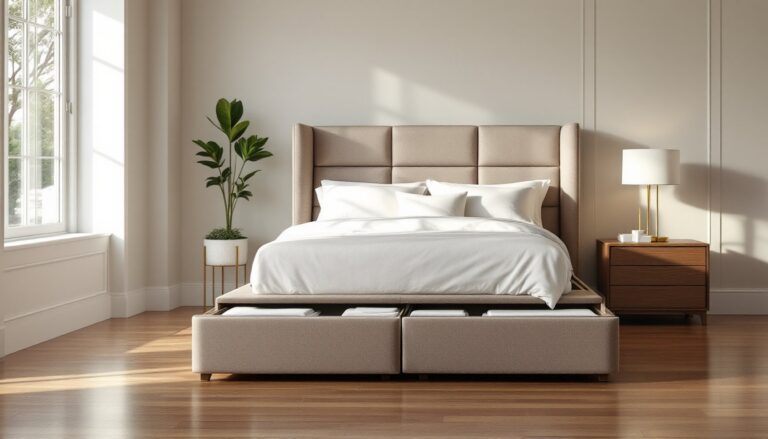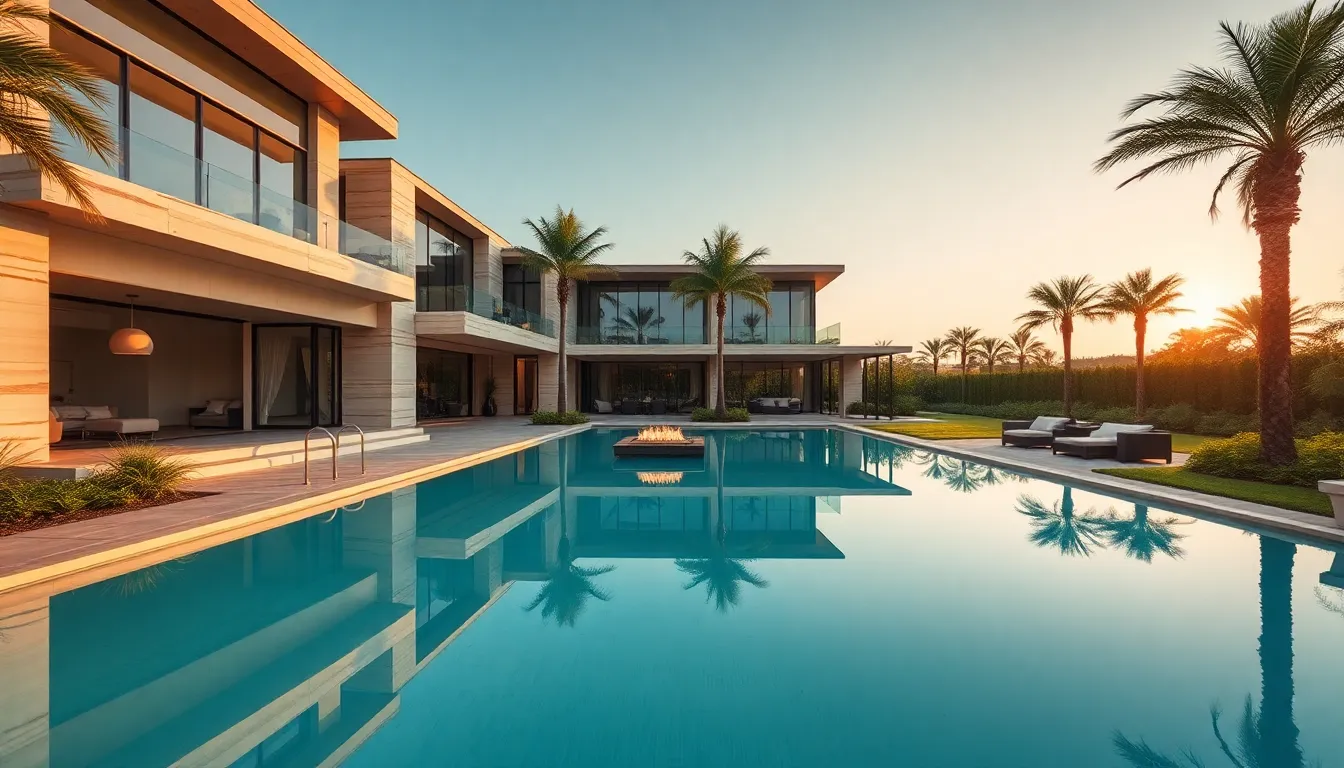
Luxury homes represent far more than expensive price tags. They signal a distinct lifestyle, exceptional craftsmanship, and prime locations that most properties simply can’t match. But what exactly separates a luxury home from a standard high-priced house? The answer goes beyond square footage and into territory that includes architectural significance, rare amenities, and privacy features that cater to discerning buyers.
Today’s luxury real estate market looks different than it did even five years ago. Buyers now prioritize wellness spaces, smart home integration, and sustainable design alongside traditional markers of prestige. Understanding these shifts helps both buyers and sellers make informed decisions in a competitive market. This guide breaks down the key features, top locations, current trends, and critical considerations that define luxury homes in 2025.
Table of Contents
ToggleKey Takeaways
- Luxury homes stand out through architectural excellence, premium amenities, advanced smart technology, and exceptional privacy features.
- Top locations for luxury homes include coastal properties, urban penthouses, mountain resort communities, and international hotspots like Monaco and Dubai.
- In 2025, luxury home buyers prioritize wellness-centered design, sustainability features, and dedicated home office spaces.
- Working with specialized luxury real estate agents provides access to off-market listings and expert negotiation at high price points.
- Total cost of ownership for luxury homes includes significant expenses beyond the purchase price—factor in property taxes, insurance, maintenance, and staffing.
- Properties with timeless architecture and prime locations tend to retain value better than those with trendy or unusual designs.
Key Features That Set Luxury Homes Apart
Luxury homes distinguish themselves through a combination of superior construction, premium materials, and amenities that elevate daily living. These properties don’t just cost more, they deliver more at every level.
Architectural Excellence and Custom Design
High-end real estate features distinctive architecture that often involves renowned architects or custom designs. Buyers expect attention to detail: hand-laid stone, imported marble, rare hardwoods, and millwork created by skilled craftsmen. Cookie-cutter layouts don’t exist in true luxury homes. Instead, each property tells a story through its design choices.
Premium Amenities and Smart Technology
Luxury homes come equipped with amenities that most standard properties lack entirely. Home theaters with acoustic engineering, wine cellars with climate control, infinity pools, and private gyms are common. Smart home systems now control lighting, security, climate, and entertainment through integrated platforms. Many luxury homes also include dedicated spaces for wellness, think spa bathrooms, meditation rooms, and even in-home saunas.
Privacy and Security Features
Privacy ranks high among luxury home buyers. Gated entrances, long driveways, strategic landscaping, and advanced security systems protect residents from unwanted attention. Some properties include panic rooms, biometric access, and 24/7 monitoring services. For high-profile individuals, these features aren’t optional, they’re essential.
Exceptional Outdoor Spaces
Luxury homes extend their living areas outdoors. Professional landscaping, outdoor kitchens, fire features, and resort-style pools create entertainment spaces that rival five-star hotels. Properties with significant acreage may include tennis courts, guest houses, or even equestrian facilities.
Top Locations for Luxury Real Estate
Location remains the single most important factor in luxury real estate. The most sought-after luxury homes occupy addresses that combine natural beauty, exclusivity, and proximity to cultural amenities.
Coastal and Waterfront Properties
Waterfront luxury homes command premium prices worldwide. In the United States, markets like Malibu, the Hamptons, Miami Beach, and Naples attract buyers seeking ocean views and beach access. These properties offer a lifestyle centered on water activities, stunning sunsets, and the prestige that coastal living provides.
Urban Luxury Markets
Major metropolitan areas continue to draw luxury buyers who want walkable access to restaurants, galleries, and business centers. New York City penthouses, San Francisco estates, and Chicago Gold Coast properties appeal to those who value urban convenience alongside high-end living. These luxury homes often occupy historic buildings or newly constructed towers with premium finishes.
Mountain and Resort Communities
Aspen, Park City, Lake Tahoe, and Jackson Hole represent the pinnacle of mountain luxury real estate. Buyers in these markets often seek second homes or vacation properties that provide ski-in/ski-out access, dramatic mountain views, and close-knit community atmospheres. The pandemic accelerated interest in these locations as remote work became permanent for many high-net-worth individuals.
International Hotspots
Luxury homes in Monaco, the French Riviera, London, and Dubai attract global buyers. These international markets offer unique advantages, tax benefits, cultural richness, or strategic business locations, that domestic properties can’t replicate.
Current Trends Shaping the Luxury Home Market
The luxury home market responds to shifting buyer preferences faster than the broader real estate market. Several trends are reshaping what high-end buyers expect in 2025.
Wellness-Centered Design
Luxury homes now prioritize health and wellness. Air purification systems, circadian lighting, non-toxic building materials, and dedicated fitness spaces have moved from nice-to-have to must-have status. Some properties include cold plunge pools, infrared saunas, and spaces designed specifically for yoga or meditation.
Sustainability and Energy Independence
High-end buyers increasingly demand sustainable features. Solar panel arrays, geothermal heating, gray water recycling systems, and EV charging stations appear in most new luxury home constructions. Energy independence appeals to buyers who want reduced utility costs and environmental responsibility.
Multi-Generational Living Spaces
Luxury homes designed for extended families have gained popularity. These properties include separate living quarters, multiple primary suites, and communal spaces that allow privacy while keeping families together. This trend reflects both cultural preferences and practical considerations around eldercare and childcare.
Home Office and Content Creation Spaces
Remote work transformed luxury home requirements. Dedicated home offices with soundproofing, professional lighting for video calls, and high-speed connectivity infrastructure are now standard expectations. Some luxury homes include podcast studios or spaces optimized for content creation.
What to Consider Before Buying a Luxury Home
Purchasing luxury homes requires different considerations than standard real estate transactions. Buyers should approach these purchases with clear priorities and professional guidance.
Work With Specialized Agents
Luxury real estate agents understand market dynamics that general agents may miss. They have access to off-market listings, understand confidentiality requirements, and can negotiate effectively at high price points. Many luxury homes never appear on public listing sites, experienced agents provide access to these private opportunities.
Conduct Thorough Due Diligence
Luxury homes require extensive inspections beyond standard home inspections. Buyers should evaluate specialized systems like smart home infrastructure, pool equipment, wine storage climate control, and security systems. Hiring experts for each major system prevents expensive surprises after closing.
Understand Total Cost of Ownership
Maintaining luxury homes costs significantly more than average properties. Property taxes, insurance premiums, landscaping, pool maintenance, and staffing expenses add up quickly. Buyers should calculate annual operating costs before committing to a purchase.
Consider Future Resale Value
Not all luxury homes appreciate equally. Properties with timeless architecture, prime locations, and flexible floor plans tend to hold value better than those with trendy features or unusual designs. Buyers should think about marketability even if they plan to hold the property long-term.