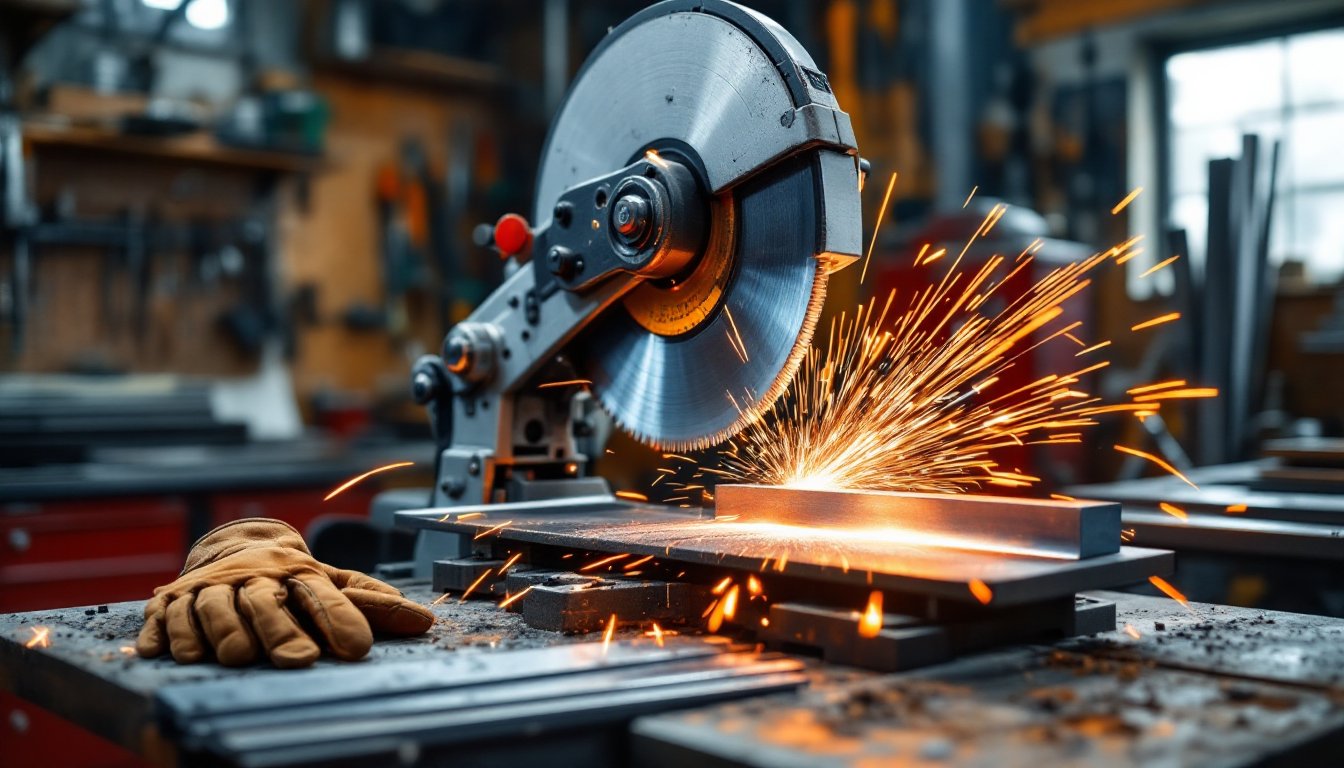
If you’re planning to cut steel tubing for a carport frame, trim aluminum siding, or fabricate metal brackets for a custom workbench, you’ll need more than a standard wood-cutting circular saw. A metal circular saw is purpose-built to slice through ferrous and non-ferrous metals cleanly and safely, but not all metal saws are created equal. Understanding the difference between abrasive chop saws, cold cut models, and blade types will save you time, money, and a lot of frustration. This guide walks through everything a DIYer needs to know: how these tools work, which type fits your project, how to choose the right blade, and how to cut metal without turning your workspace into a fireworks show.
Table of Contents
ToggleKey Takeaways
- A metal circular saw requires either abrasive discs or carbide-toothed blades and operates at lower RPMs (1,300–4,000) than wood saws to prevent overheating and minimize burrs and sparks.
- Choose between handheld metal circular saws for portability and on-site cutting of thin materials, or stationary chop saws for precision and thicker stock up to 4–5 inches.
- Cold cut saws produce cleaner edges and last longer than abrasive chop saws but cost two to three times more, making abrasive models ideal for occasional DIY work and cold saws better for production projects.
- Always secure your workpiece firmly, match blade diameter and arbor size to your specific saw, and inspect blades for cracks or damage before every use to prevent kickback and blade failure.
- Wear full PPE including safety glasses, hearing protection, and leather gloves; work in well-ventilated areas or outdoors; and never force cuts—let the blade speed recover if the saw bogs down.
- Proper technique includes measuring twice, securing material firmly, letting the blade cool between cuts, and deburring edges afterward to ensure clean results and prevent injury from sharp metal edges.
What Is a Metal Circular Saw and How Does It Work?
A metal circular saw is a power tool designed specifically to cut through metal materials using a spinning blade. Unlike wood-cutting saws that rely on carbide-tipped teeth to shear wood fibers, metal saws use either abrasive discs or carbide-toothed blades optimized for harder materials like steel, aluminum, copper, and stainless steel.
Most metal circular saws run at lower RPMs than wood saws, typically between 1,300 and 4,000 RPM depending on the model, to prevent overheating and blade degradation. The slower speed combined with the right blade creates a controlled cut that minimizes burrs, sparks, and heat buildup. Some models feature dry cutting (no coolant), while heavy-duty shop saws may include a coolant system or misting feature for extended production runs.
These tools come in two primary formats: handheld models that resemble a standard circular saw but with reinforced housings and guards, and stationary chop saws (drop saws) mounted on a pivot arm with a base clamp to secure the workpiece. Handheld versions offer portability for field work, think cutting EMT conduit on a job site, while chop saws deliver precision and stability for repetitive cuts in a workshop setting.
Key components include a spark guard (essential for abrasive models), an adjustable base or vise, and often a quick-release blade guard. Always check the arbor size (typically 1 inch for most metal saws) to ensure blade compatibility before purchasing.
Types of Metal Circular Saws for Different Projects
Choosing the right metal saw depends on the material you’re cutting, the volume of work, and whether you need portability or shop-grade precision.
Handheld metal circular saws are compact, portable, and ideal for on-site fabrication or projects where you’re bringing the tool to the material. They’re excellent for cutting thin-walled steel tubing, aluminum siding, or sheet metal up to about 1/4 inch thick. Most run on 120V power and weigh 8–12 pounds. These saws typically accept 5-1/2- to 7-1/4-inch blades and are best suited for lighter-duty work, don’t expect to slice through 2-inch angle iron all day.
Stationary chop saws (also called cut-off saws or drop saws) are bench-mounted tools with a pivoting arm and a built-in vise or clamp. They handle thicker stock, up to 4 or 5 inches in some cases, and deliver square, repeatable cuts. If you’re building a metal fence, welding furniture, or doing any project that requires multiple identical cuts, a chop saw is worth the bench space. They’re available in 14-inch and 15-inch sizes, referring to the blade diameter.
Abrasive Chop Saws vs. Cold Cut Saws
Abrasive chop saws use a consumable disc made of aluminum oxide or silicon carbide. They’re inexpensive (discs cost $3–$8 each), cut fast, and throw a lot of sparks. They work on virtually any metal but leave rougher edges and generate significant heat. The disc wears down with each cut, so plan on replacing it regularly. These are common in home shops and among hobbyists who need affordable cutting solutions for occasional fabrication work.
Cold cut saws use carbide-tipped or cermet (ceramic-metal composite) blades with teeth, similar to a wood saw but engineered for metal. They produce minimal sparks, leave clean edges with little to no burr, and the blade lasts significantly longer, sometimes hundreds of cuts before needing replacement. The trade-off? Cold cut saws and blades cost two to three times as much as abrasive models. They’re the go-to for production work, precision projects, or if you’re cutting non-ferrous metals like aluminum where abrasive discs can load up with material and become dangerous.
Choosing the Right Blade for Metal Cutting
Blade selection makes or breaks your cut quality and your safety. Using the wrong blade can cause kickback, blade failure, or a ruined workpiece.
Abrasive discs are rated by material and thickness. A Type 1 (flat) disc is standard for chop saws. Check the label: discs rated for ferrous metals can cut steel, iron, and stainless, while those rated for non-ferrous metals handle aluminum, brass, and copper. Never use a ferrous disc on aluminum, the softer metal can clog the disc and cause it to shatter. Most 14-inch abrasive discs are 1/8 inch thick and rated for a maximum RPM (often 4,400). Always match or stay below your saw’s rated speed.
Carbide-tipped blades for cold cut saws come in varying tooth counts. Fewer teeth (30–40) cut faster and handle thicker stock, while more teeth (60–80) produce finer, cleaner cuts on thinner materials like sheet metal or tubing. For general-purpose steel cutting (angle iron, flat bar, rebar), a 48-tooth carbide blade is a solid starting point.
For handheld metal circular saws, look for blades specifically labeled for metal. Many have a negative or zero-degree hook angle to reduce grabbing, and they’re often coated with Teflon or another friction-reducing finish. A 7-1/4-inch carbide blade with 40–50 teeth will handle most DIY metal cutting tasks, from steel studs to aluminum trim.
Blade diameter and arbor size must match your saw. Most metal chop saws use a 1-inch arbor: handheld saws typically use a 5/8-inch arbor with a diamond knockout. Double-check before you buy. And remember: thicker blades (kerf width) remove more material but provide more stability, which matters when cutting dense metals.
Essential Safety Tips When Cutting Metal
Cutting metal is inherently more dangerous than cutting wood. Sparks fly, edges get hot, and a blade failure at 3,000 RPM can send shrapnel across the shop.
Always wear full PPE: safety glasses or a face shield (not just glasses, sparks bounce), hearing protection (metal saws are loud, often 100+ dB), and leather gloves when handling cut metal (edges are sharp and hot). If you’re using an abrasive saw, a long-sleeve shirt and closed-toe boots are non-negotiable, sparks will burn through cotton and skin.
Secure the workpiece firmly. Use the saw’s built-in vise or clamp for stationary saws. For handheld cuts, clamp the material to a stable work surface with at least 6 inches of clearance below the cut line. A loose workpiece can bind the blade, causing kickback or blade breakage. On projects requiring multiple cuts, many DIY resources emphasize the value of building simple jigs or stops to keep stock aligned.
Inspect the blade before every use. Look for cracks, chips, missing teeth, or excessive wear. Abrasive discs are especially prone to cracking if dropped or stored improperly. A compromised disc can explode mid-cut. Replace it.
Never force the cut. Let the saw do the work. Forcing creates friction, heat, and increases the chance of binding. If the saw bogs down, ease off and let the blade speed recover. For thick stock, consider making a partial cut, rotating the material, and finishing from the other side.
Ventilation matters. Cutting metal, especially with abrasive discs, produces fine particulate and fumes. Work outdoors or in a well-ventilated space. If you’re cutting galvanized steel, stainless, or anything coated, wear a respirator rated for metal dust and fumes (N95 minimum, P100 preferred).
Finally, respect your work zone. Keep flammable materials at least 10 feet away from abrasive cutting operations. Have a fire extinguisher within reach. Sparks land farther than you think.
How to Use a Metal Circular Saw Like a Pro
Once you’ve got the right tool and blade, technique separates clean cuts from mangled metal and wasted materials.
Step 1: Measure and mark your cut line. Use a permanent marker or soapstone pencil, chalk wipes off too easily. For repetitive cuts, set up a stop block or use the saw’s built-in adjustable fence if available. Measure twice. Metal doesn’t forgive.
Step 2: Secure the material. For chop saws, position the workpiece in the vise so the cut line aligns with the blade path. Tighten the vise snugly, it should not shift under pressure. For handheld cuts, clamp both sides of the cut if possible to prevent vibration and binding.
Step 3: Set your cut depth (handheld saws only). Adjust the blade so it extends about 1/4 inch below the material. Deeper isn’t better, it increases friction and danger.
Step 4: Start the saw and let it reach full speed before engaging the material. For chop saws, lower the blade smoothly and steadily. For handheld saws, align the guide notch with your cut line, then push forward at a consistent pace. Don’t rush.
Step 5: Let the blade cool and complete the cut. If sparks change color (from orange to white or blue), you’re overheating, slow down. After the cut, wait for the blade to stop completely before lifting or moving the saw.
Step 6: Deburr the edges. Use a metal file, deburring tool, or angle grinder to knock off sharp edges. This isn’t optional, cut metal edges can slice through gloves and skin. Taking time with finishing work, as highlighted in many home improvement guides, often separates a clean project from a sloppy one.
Pro tip: For thin-walled tubing or sheet metal, back the material with a scrap piece of wood. This reduces vibration, prevents the metal from deforming, and results in a cleaner cut.
Conclusion
A metal circular saw expands what a DIYer can tackle at home, gates, brackets, furniture frames, conduit runs, and more. Whether you go with an affordable abrasive chop saw or invest in a cold cut model, success comes down to matching the tool and blade to the job, respecting the material’s hardness and heat generation, and never skipping the safety steps. Start with smaller projects to build confidence, keep spare blades or discs on hand, and always secure your work. With the right approach, cutting metal becomes just another skill in the home shop toolkit.