Finding the right organization ideas can transform a cluttered space into a functional home. Most people struggle with disorganization not because they lack storage but because they lack a system. The good news? Getting organized doesn’t require expensive products or a complete home makeover. It starts with simple strategies anyone can apply.
This guide covers practical organization ideas for every room in the house. Readers will learn how to declutter effectively, maximize storage on a budget, and build habits that keep spaces tidy long-term. Whether someone wants to tackle a chaotic kitchen or an overflowing closet, these tips provide a clear path forward.
Table of Contents
ToggleKey Takeaways
- Start with decluttering before buying storage solutions—most homes need less stuff, not more bins.
- Use the four-box system (Keep, Donate, Trash, Relocate) to make quick decisions and avoid “maybe” piles.
- Group items by function and maximize vertical space with shelf risers and hooks for efficient kitchen organization.
- Budget-friendly organization ideas like shoe boxes, mason jars, and tension rods work just as well as expensive products.
- Build daily habits like the “one in, one out” rule and evening resets to keep spaces tidy long-term.
- Spend five minutes each night returning items to their designated spots to prevent clutter from accumulating.
Declutter Before You Organize
Here’s a mistake many people make: they buy bins and baskets before sorting through their stuff. That’s putting the cart before the horse. Effective organization ideas always start with decluttering.
The decluttering process doesn’t need to happen all at once. Start with one drawer, one shelf, or one corner. Pick up each item and ask: “Have I used this in the past year?” If the answer is no, it’s time to donate, sell, or toss it.
A helpful method is the four-box system. Label boxes as Keep, Donate, Trash, and Relocate. This forces quick decisions and prevents the endless “maybe” pile that derails progress.
Decluttering also reveals what storage is actually needed. That jumble of kitchen gadgets might fit perfectly in one drawer once the broken can opener and duplicate spatulas are gone. Most homes don’t need more storage, they need less stuff.
Another tip: set a timer for 15 minutes. Short bursts of decluttering feel manageable and often snowball into longer sessions once momentum builds. The goal isn’t perfection. It’s progress.
Room-by-Room Organization Strategies
Different rooms present different challenges. These organization ideas target the spaces that cause the most frustration.
Kitchen and Pantry
The kitchen sees heavy daily use, so organization ideas here pay off quickly. Start by grouping items by function. Baking supplies go together. Coffee and tea supplies share a shelf. This makes cooking faster and cleanup easier.
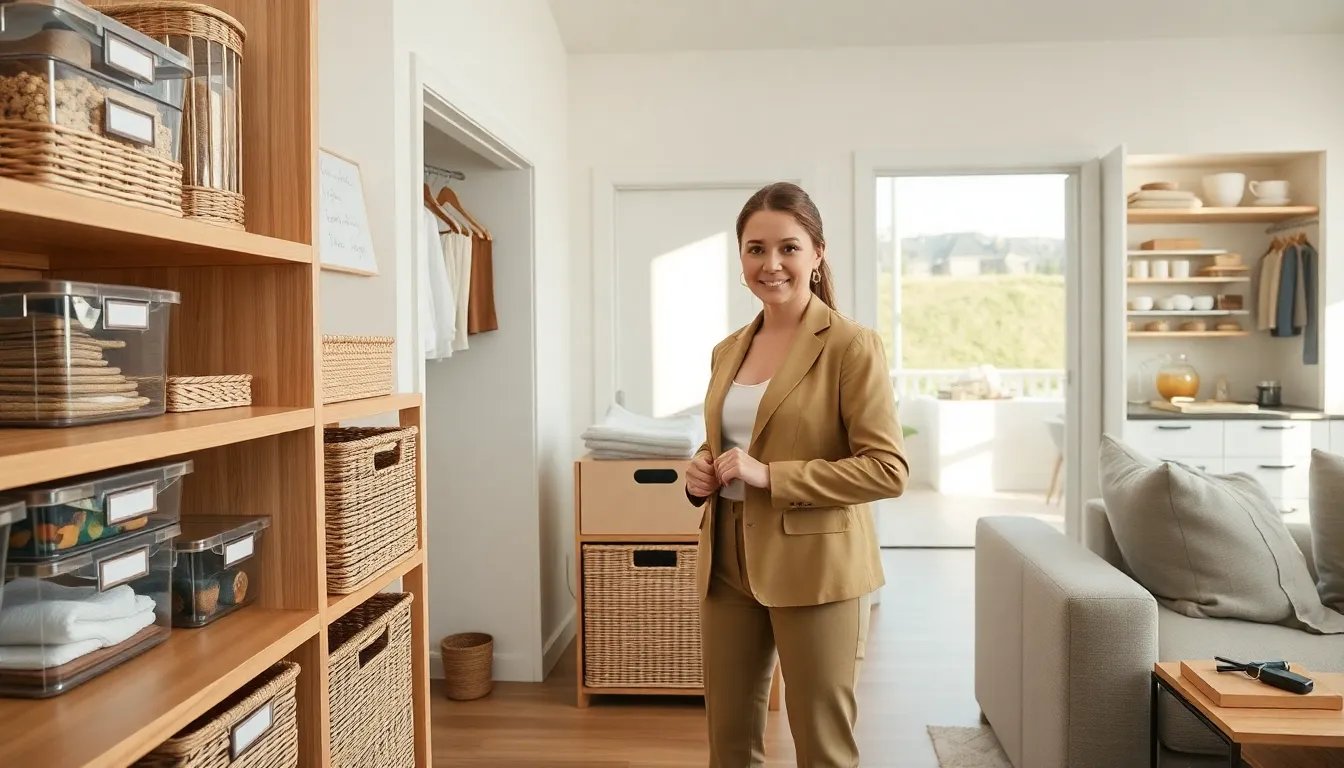
Clear containers work wonders in the pantry. They show exactly what’s inside and how much remains. No more buying a third bag of rice because the first two are hidden behind cereal boxes.
Vertical space often goes unused. Shelf risers double storage capacity instantly. Hooks inside cabinet doors hold measuring cups and pot lids. A lazy Susan in a corner cabinet makes every item accessible.
The junk drawer deserves attention too. Small dividers or repurposed boxes can turn chaos into order. Batteries in one section, scissors in another, tape in a third.
Closets and Bedrooms
Closet organization ideas focus on visibility. If clothes are hidden, they don’t get worn. Slim velvet hangers create more space and keep items from slipping. Matching hangers also create a cleaner look that makes the closet feel less overwhelming.
The floor of a closet is prime real estate. Shoe racks or hanging shoe organizers free up floor space while keeping pairs together. Clear boxes work well for out-of-season shoes.
Bedroom surfaces attract clutter fast. A simple rule helps: nothing stays on the nightstand except a lamp and one or two essential items. Everything else needs a designated home.
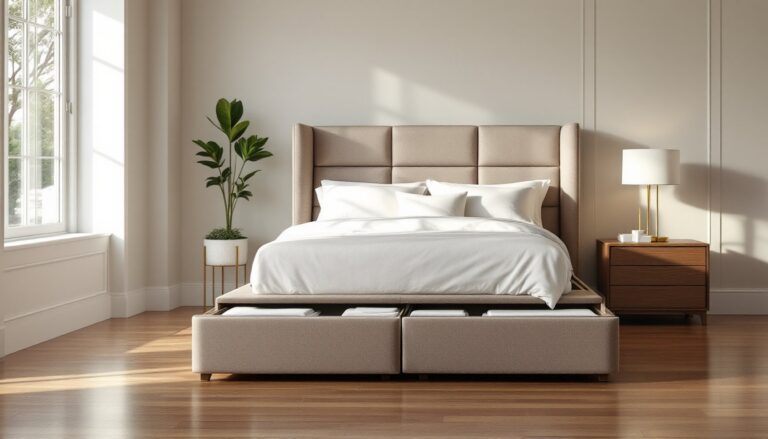
Under-bed storage solves a common bedroom problem. Flat bins slide underneath and hold off-season clothing, extra bedding, or luggage. This keeps items accessible without taking up closet space.
Budget-Friendly Storage Solutions
Great organization ideas don’t require a big budget. Many effective solutions cost little or nothing.
Shoe boxes make excellent drawer dividers. Cover them with wrapping paper for a polished look, or leave them plain. They’re perfect for socks, underwear, or office supplies.
Mason jars organize bathroom counters and kitchen shelves beautifully. They hold cotton balls, hair ties, spices, or dried pasta. The clear glass makes contents visible at a glance.
Tension rods have uses beyond shower curtains. Place one under the kitchen sink to hang spray bottles. Use another in a cabinet to create a divider for cutting boards and baking sheets.
Dollar stores and thrift shops offer bins, baskets, and containers at a fraction of retail prices. The key is measuring spaces before shopping. A basket that’s too big or too small won’t help.
Repurposing items already in the home saves money too. An old ladder becomes a towel rack. A muffin tin organizes jewelry. An ice cube tray holds small hardware like screws and nails.
These budget organization ideas prove that creativity matters more than spending power. A well-organized home reflects smart solutions, not expensive ones.
Daily Habits to Stay Organized
Organization isn’t a one-time project. It’s an ongoing practice. Small daily habits prevent clutter from returning.
The “one in, one out” rule keeps possessions in check. For every new item that enters the home, one similar item leaves. Buy a new shirt? Donate an old one. This simple organization idea stops accumulation before it starts.
Spending five minutes each evening on a quick reset makes a difference. Put items back where they belong. Wipe down counters. Handle the mail instead of letting it pile up.
Designating spots for everyday items eliminates the “where did I put my keys” problem. A hook by the door, a bowl on the dresser, a specific pocket in a bag, these small decisions save time and frustration daily.
The 2-minute rule also helps: if a task takes less than two minutes, do it now. Hanging up a coat takes seconds. So does putting dishes in the dishwasher instead of the sink. These tiny actions prevent bigger messes.
Weekly maintenance matters too. Pick one day to do a quick walkthrough of the house. Return misplaced items, address small messes, and check that organization systems are working. Catching problems early prevents major decluttering sessions later.