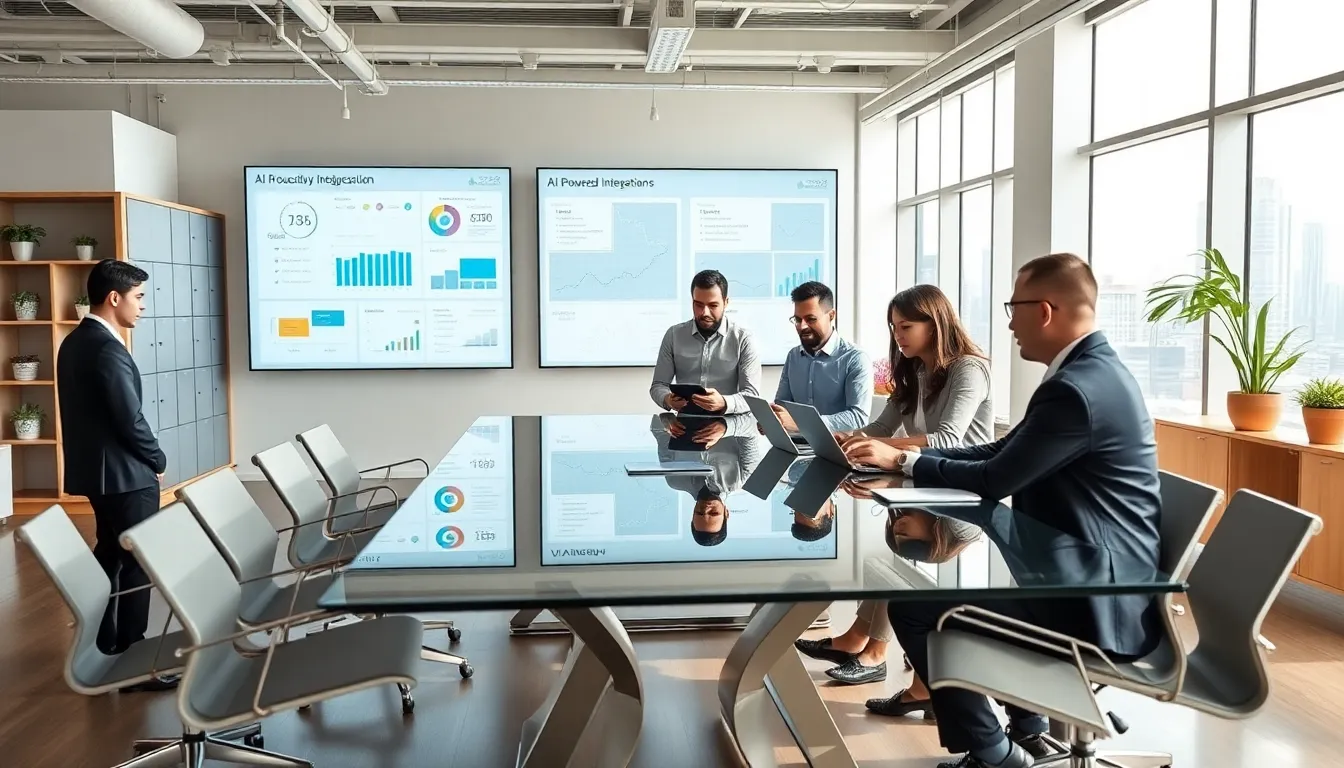
Organization trends 2026 will reshape how people manage their time, spaces, and digital lives. The push toward smarter systems, flexible work environments, and sustainable practices is gaining momentum. Businesses and individuals alike are rethinking old habits. They’re adopting tools and strategies that fit modern demands.
This year brings significant shifts. AI is becoming a practical assistant rather than a novelty. Hybrid work setups are maturing. Environmental concerns are influencing purchasing and storage decisions. Meanwhile, digital clutter has become as pressing as physical mess. The one-size-fits-all approach? It’s fading fast.
Here’s what to expect from organization trends 2026, and how to stay ahead.
Table of Contents
ToggleKey Takeaways
- Organization trends 2026 prioritize AI-powered tools that automate scheduling, email sorting, and task prioritization to reduce daily friction.
- Hybrid work models are maturing with intentional home offices, hot-desking, and asynchronous communication becoming standard practices.
- Sustainability is now mainstream—eco-conscious organizing emphasizes minimalism, quality over quantity, and going paperless.
- Digital decluttering is essential in 2026, including regular audits of files, apps, and accounts plus consistent naming conventions for faster searches.
- Personalized organization systems are replacing one-size-fits-all solutions, with tools and workflows tailored to individual habits and preferences.
- Organization trends 2026 show that integrated platforms outperform standalone apps by creating seamless workflows across all tasks.
AI-Powered Productivity and Automation
Artificial intelligence is no longer just hype. In 2026, AI tools are practical helpers for everyday organization. They schedule meetings, sort emails, and even suggest task priorities based on deadlines and workload.
Smart assistants now learn user preferences over time. They predict what someone needs before they ask. For example, AI can automatically block focus time on a calendar when deep work is required. It can flag emails that need urgent attention and archive the rest.
Automation is also streamlining repetitive tasks. Invoice processing, data entry, and file organization happen with minimal human input. This frees up time for strategic thinking and creative work.
Organization trends 2026 show a clear pattern: people want tools that reduce friction. AI delivers on that promise. Businesses using AI-powered productivity software report faster workflows and fewer missed deadlines. Individuals find they spend less time managing tasks and more time completing them.
The key is choosing AI tools that integrate well with existing systems. Standalone apps create silos. Integrated platforms create flow.
Hybrid Work Models Continue to Evolve
Hybrid work isn’t new, but it’s maturing. Organization trends 2026 reveal that companies are moving past trial-and-error phases. They’re establishing clear policies and investing in infrastructure that supports both remote and in-office employees.
Physical office layouts are changing. Hot-desking and shared workspaces are standard. Personal storage lockers replace assigned desks. Meeting rooms are equipped with better video conferencing tech to include remote participants seamlessly.
Home offices are also evolving. Workers are investing in better ergonomic setups, soundproofing, and dedicated storage solutions. The makeshift pandemic desk is gone. Intentional home workspaces have taken its place.
Scheduling tools now account for hybrid realities. They show who’s in the office on which days. This helps teams coordinate in-person collaboration without constant back-and-forth.
Organization trends 2026 also highlight asynchronous communication. Not every conversation needs a meeting. Documentation, recorded updates, and project management boards reduce the need for real-time coordination. This shift demands better personal organization skills, knowing when to respond and when to batch tasks.
Sustainability and Eco-Conscious Organizing
Environmental awareness is shaping organization trends 2026 in practical ways. Consumers prefer products made from recycled or sustainable materials. They’re questioning whether they need to buy new storage solutions or if repurposing works just as well.
Minimalism is part of this shift. Owning less means organizing less. People are prioritizing quality over quantity, fewer items, better made, longer lasting.
Businesses are responding. Office supply companies now market eco-friendly organizers, folders, and storage bins. Many highlight carbon-neutral shipping and recyclable packaging.
Digital solutions also play a role. Going paperless reduces waste. Cloud storage replaces filing cabinets. E-signatures eliminate printed contracts.
Organization trends 2026 show that sustainability isn’t a niche concern anymore. It’s mainstream. Companies that ignore this shift risk falling behind competitors who’ve already adapted.
For individuals, eco-conscious organizing often saves money too. Buying less, reusing more, and choosing durable goods over disposable ones adds up over time.
Digital Decluttering and Data Management
Physical clutter has a digital counterpart. Overflowing inboxes, disorganized cloud drives, and forgotten app subscriptions create stress and waste time. Organization trends 2026 address this problem head-on.
Digital decluttering is now a recognized practice. Experts recommend regular audits of files, photos, and apps. Delete what’s outdated. Archive what’s needed for reference. Organize the rest into clear folder structures.
Data management extends to privacy and security. People are paying attention to where their information lives. They’re deleting accounts they no longer use. They’re reviewing app permissions and limiting data sharing.
Password managers and secure storage solutions are standard tools in 2026. So are backup systems that protect against data loss.
Organization trends 2026 also emphasize naming conventions and tagging. Finding a file should take seconds, not minutes. Consistent naming and metadata make searches faster.
Businesses face similar challenges at scale. Document management systems, version control, and data retention policies are essential. Without them, teams waste hours looking for information or recreating lost work.
Personalized Systems Over One-Size-Fits-All Solutions
Generic organization advice is losing appeal. Organization trends 2026 favor personalized systems built around individual needs, habits, and preferences.
What works for a morning person won’t suit a night owl. A visual thinker needs different tools than someone who processes information through lists. Parents juggling childcare have different constraints than single professionals.
Productivity coaches and organization consultants are seeing increased demand. They help clients design custom workflows rather than imposing rigid frameworks.
Technology supports this personalization. Apps offer flexible templates. Users can adjust dashboards, notification settings, and workflow automations to match their style.
Organization trends 2026 also reflect cultural and regional differences. Global teams recognize that organization norms vary. What’s efficient in one context might feel restrictive in another.
The bottom line: effective organization isn’t about copying someone else’s system. It’s about building one that fits how a person actually works and lives. Experimentation is encouraged. Adjustments are expected.