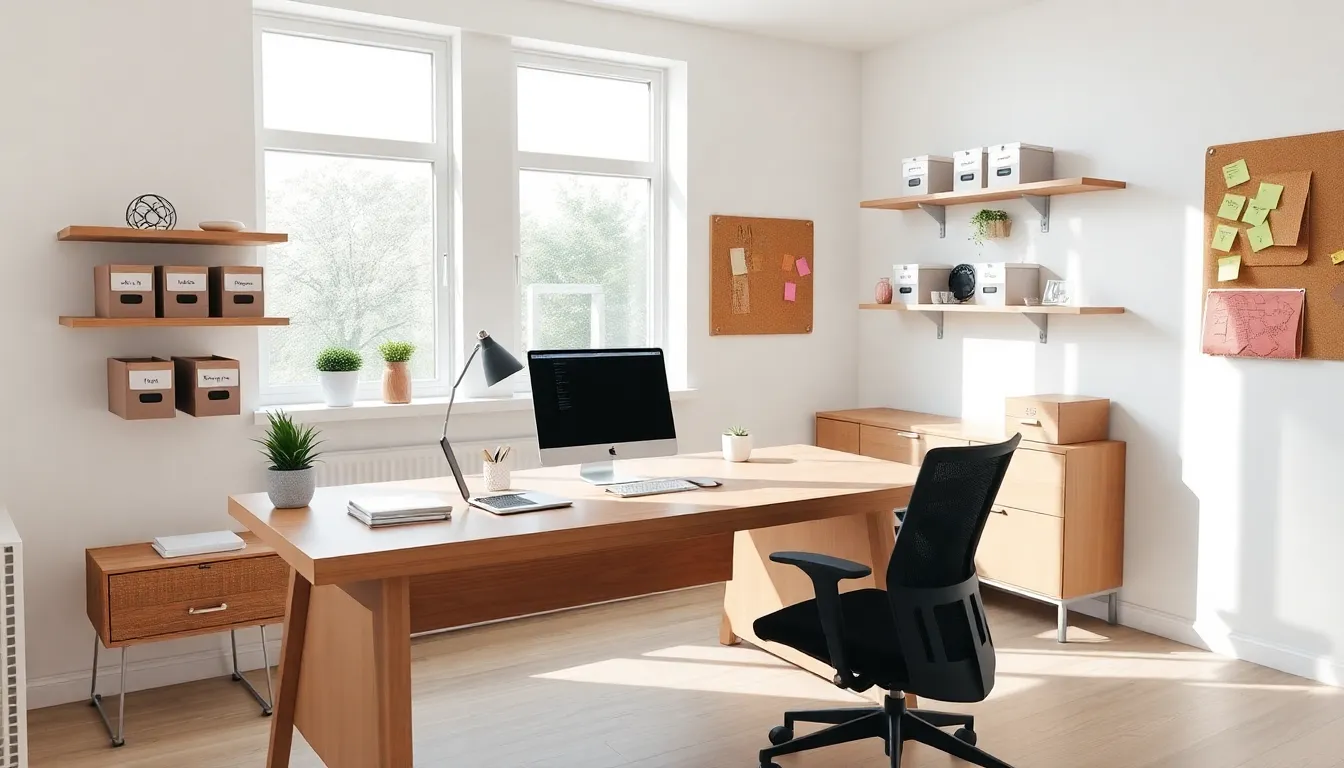
Organization shapes how people work, think, and live. A well-organized system saves time, reduces stress, and creates space for what truly matters. Yet many people struggle to maintain order in their homes, offices, and digital lives.
The good news? Organization is a skill anyone can develop. It doesn’t require perfection or expensive tools. It requires intentional habits and practical systems that fit real life.
This guide covers proven strategies for organizing physical spaces, digital files, and daily routines. Readers will learn why organization matters, how to declutter effectively, and how to build habits that last. Whether someone feels overwhelmed by clutter or simply wants to optimize their current systems, these approaches deliver results.
Table of Contents
ToggleKey Takeaways
- Organization is a learnable skill that saves time, reduces stress, and creates mental bandwidth for meaningful work.
- Start small with the “four-box method” (keep, donate, trash, relocate) to declutter physical spaces without burnout.
- Create zones for different activities and assign every item a designated home to streamline daily tasks.
- Digital organization matters equally—use logical file structures, email folders, and password managers to reduce the 1.8 hours professionals lose daily searching for information.
- Build sustainable habits through daily five-minute resets and weekly reviews to maintain organization long-term.
- Progress beats perfection—expect setbacks and focus on returning to your organizational baseline rather than achieving flawless systems.
Why Organization Matters for Daily Success
Organization directly affects productivity, mental clarity, and overall well-being. Research from Princeton University found that visual clutter competes for attention and decreases performance. When spaces are disorganized, the brain works harder to filter out irrelevant stimuli.
The benefits of organization extend beyond efficiency. People who maintain organized environments report lower stress levels and better sleep quality. They spend less time searching for misplaced items, the average American loses 2.5 days per year looking for lost things.
Organization also supports better decision-making. A cluttered environment leads to decision fatigue. When everything has a designated place, people make choices faster and with greater confidence.
Financial benefits exist too. Disorganization costs money through duplicate purchases, late fees, and missed opportunities. Someone who can’t find their bills pays late. Someone who can’t locate their tools buys replacements. These small losses add up.
Perhaps most importantly, organization creates mental bandwidth. When people aren’t constantly managing chaos, they have energy for creative thinking, relationship building, and meaningful work. Organization isn’t about being rigid, it’s about creating freedom.
Practical Tips for Organizing Your Physical Space
Effective organization starts with decluttering. The first step is simple: remove items that no longer serve a purpose. Professional organizers recommend the “four-box method”, sort items into keep, donate, trash, and relocate categories.
Start Small and Build Momentum
Tackling an entire house at once leads to burnout. Instead, focus on one drawer, one shelf, or one corner. Small wins create motivation for larger projects. A organized junk drawer today becomes an organized closet next week.
Create Zones for Different Activities
Every item needs a home. Group similar items together and store them near where they’re used. Kitchen utensils belong near the stove. Office supplies stay at the desk. This zone-based organization reduces the steps needed to complete any task.
Use Vertical Space
Most people underutilize wall space and closet height. Shelving, hooks, and over-door organizers multiply storage capacity without requiring more square footage. A simple pegboard transforms a cluttered garage into a functional workshop.
Apply the One-In-One-Out Rule
For every new item that enters a space, one item should leave. This principle prevents accumulation and forces intentional purchasing decisions. It’s especially useful for clothing, books, and kitchen gadgets.
Label Everything
Labels remove guesswork. They help everyone in a household maintain the system. Clear containers with visible labels make items easy to find and easy to return to their proper place.
Digital Organization Techniques for Modern Life
Digital clutter affects productivity just as much as physical clutter. The average professional spends 1.8 hours daily searching for information. Poor digital organization wastes time and creates frustration.
Create a Logical File Structure
A consistent folder hierarchy makes files findable. Use broad categories at the top level, then subcategories beneath. Name files descriptively with dates when relevant. “2025-01-Invoice-ClientName” beats “Document1” every time.
Master Email Organization
Email overwhelms most professionals. Effective organization requires three actions: unsubscribe from unnecessary lists, create folders or labels for different projects, and process email at scheduled times rather than constantly. The inbox should be a processing station, not a storage facility.
Use Cloud Storage Wisely
Cloud services like Google Drive, Dropbox, and iCloud offer powerful organization tools. They enable access from any device and provide search functions that make physical filing systems look primitive. But cloud storage still requires intentional structure, dumping files randomly defeats the purpose.
Organize Digital Photos
Most people have thousands of unorganized photos across multiple devices. Create albums by year, event, or person. Delete duplicates and blurry shots. Back up everything to at least two locations. Digital memories matter, they deserve protection and organization.
Manage Passwords Securely
Password managers like 1Password, Bitwarden, or LastPass organize login credentials safely. They eliminate the chaos of forgotten passwords and sticky notes. This form of organization also improves security significantly.
Building Sustainable Organizational Habits
Organization systems fail when they don’t become habits. The key is building routines that require minimal willpower.
Start with Daily Resets
A five-minute daily reset prevents small messes from becoming overwhelming chaos. Before bed or at the end of a workday, return items to their designated spots. This habit keeps organization manageable.
Schedule Weekly Reviews
Set aside 30 minutes each week to review systems and address problem areas. What’s working? What isn’t? Which areas need attention? Regular reviews catch issues before they grow.
Make Organization Easy
Complicated systems get abandoned. If putting something away requires multiple steps, people stop doing it. The easier an organizational system is to maintain, the more likely it survives long-term. Sometimes “good enough” organization beats “perfect” organization that nobody follows.
Involve Everyone
Household organization requires buy-in from all members. Assign responsibilities, create shared systems, and communicate expectations clearly. A system one person understands but others ignore won’t last.
Expect Setbacks
Life happens. Busy periods, travel, and unexpected events disrupt even the best systems. The goal isn’t perfect organization at all times, it’s having a baseline to return to. When things get messy, reset and continue. Progress matters more than perfection.