A top bath can change an ordinary bathroom into a personal retreat. The right bathtub serves as both a functional fixture and a design statement. Whether someone wants deep relaxation, improved safety, or a striking centerpiece, today’s bath options deliver on all fronts.
This guide covers the best bathtub styles, materials, and features to help homeowners make smart choices. From freestanding designs to walk-in models, each option offers distinct benefits worth considering.
Table of Contents
ToggleKey Takeaways
- Freestanding bathtubs are a top bath choice for visual impact, ranging from $500 to $5,000+ depending on material and design.
- Soaking tubs offer 17 to 24 inches of depth for full-body immersion, promoting muscle relaxation and better circulation.
- Walk-in tubs provide essential safety features like low thresholds, grab bars, and non-slip flooring for seniors and those with mobility challenges.
- Acrylic is the most popular bathtub material due to its lightweight design, warmth, and 10 to 15-year lifespan with proper care.
- Cast iron tubs are the most durable option, lasting 50+ years, but require reinforced flooring due to their 300 to 500-pound weight.
- Consider water heating costs when choosing a soaking tub, as they use 80 to 100 gallons per bath compared to 50 gallons for standard tubs.
Freestanding Bathtubs for a Luxurious Focal Point
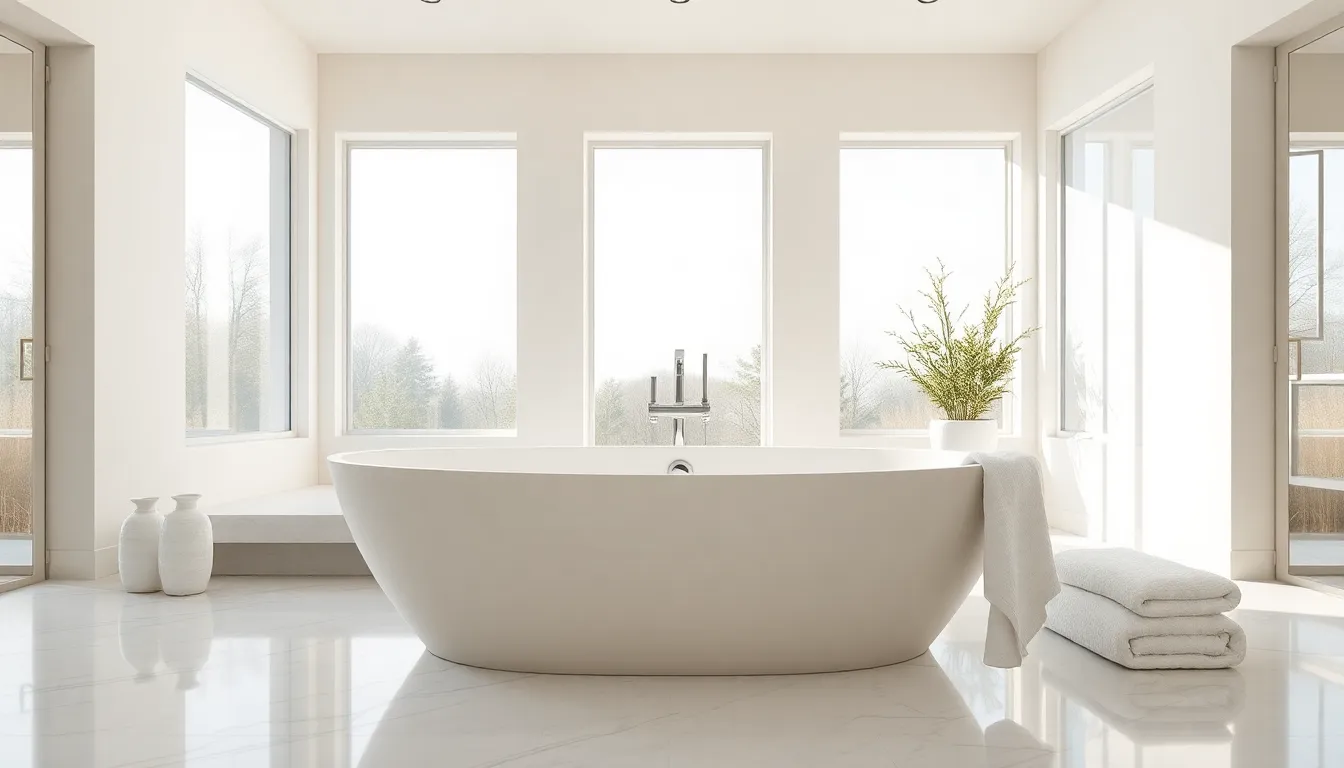
Freestanding bathtubs have become a top bath choice for homeowners who want visual impact. These tubs stand alone without wall support, creating a sculptural presence in any bathroom.
Classic and Modern Styles
Clawfoot tubs bring vintage charm with their raised feet and curved edges. They work well in traditional or farmhouse-style bathrooms. Modern freestanding options feature clean lines and minimalist shapes. Oval, rectangular, and asymmetrical designs suit contemporary spaces.
Placement Flexibility
Since freestanding tubs don’t attach to walls, homeowners can position them anywhere with proper plumbing access. Popular placements include:
- Center of the room for maximum drama
- Near a window for natural light
- Against a feature wall as a backdrop
Space Requirements
These tubs typically need more floor space than built-in models. A bathroom should have at least 60 square feet to accommodate a freestanding tub comfortably. The extra space around the tub also makes cleaning easier.
Freestanding bathtubs range from $500 for basic acrylic models to $5,000 or more for designer stone versions. The investment often pays off through increased home value and daily enjoyment.
Soaking Tubs for Ultimate Relaxation
Soaking tubs prioritize depth over length, making them a top bath option for those who want full-body immersion. These tubs typically hold more water than standard models, allowing bathers to submerge up to their shoulders.
Depth and Dimensions
Standard bathtubs measure about 14 inches deep. Soaking tubs range from 17 to 24 inches or more. This extra depth creates a different bathing experience entirely. The water covers more of the body, which helps muscles relax and promotes better circulation.
Japanese soaking tubs (called ofuro) take this concept further. They’re deeper than they are long, designed for sitting rather than reclining. Some measure just 40 inches in length but reach 27 inches deep.
Heat Retention
A good soaking tub keeps water warm longer. Thicker walls and quality materials prevent rapid heat loss. Some high-end models include inline heaters that maintain water temperature for extended soaks.
Popular Soaking Tub Features
- Air jets for gentle massage
- Chromotherapy lighting
- Built-in armrests
- Overflow drains positioned higher for deeper fills
Soaking tubs work best for people who take baths regularly and want therapeutic benefits. They use more water per bath, typically 80 to 100 gallons compared to 50 gallons for standard tubs. Homeowners should factor in water heating costs before purchasing.
Walk-In Tubs for Safety and Accessibility
Walk-in tubs remove the need to step over high walls, making them a top bath solution for seniors and people with mobility challenges. A door on the side of the tub allows easy entry and exit.
Key Safety Features
These tubs include several design elements that reduce accident risk:
- Low threshold entry (typically 3 to 7 inches)
- Built-in grab bars
- Non-slip flooring
- Contoured seating
- Anti-scald valves
The watertight door seals when closed, preventing leaks during use. Bathers enter the tub, close the door, then fill with water. Draining happens before opening the door again.
Therapeutic Options
Many walk-in tubs come with hydrotherapy jets. Water jets target muscles and joints, providing relief for arthritis, back pain, and circulation issues. Air jets offer a gentler massage option.
Some models include heated seats and backrests. This feature keeps bathers comfortable during the fill and drain cycles, which can take several minutes.
Installation Considerations
Walk-in tubs often require professional installation. They may need upgraded water heaters to handle their larger capacity quickly. Electrical work might also be necessary for jet systems and heated components.
Prices for walk-in tubs start around $2,000 for basic models. Fully-featured versions with multiple jet systems and quick-drain technology can exceed $10,000. Many manufacturers offer financing options.
Choosing the Right Material for Your Bathtub
Bathtub material affects durability, heat retention, weight, and price. Selecting the right material ensures a top bath experience for years to come.
Acrylic
Acrylic tubs dominate the market for good reasons. They’re lightweight (making installation easier), warm to the touch, and available in many shapes and sizes. Scratches can be buffed out with fine sandpaper. Most acrylic tubs last 10 to 15 years with proper care.
Fiberglass
Fiberglass offers the lowest price point. These tubs work well for rental properties or budget renovations. But, they scratch easily and may fade over time. Expect 5 to 10 years of use from a fiberglass tub.
Cast Iron
Cast iron tubs are heavy, often 300 to 500 pounds, but incredibly durable. The enamel coating resists chips and stains. Heat retention is excellent. Many cast iron tubs remain functional after 50 years or more. The weight requires reinforced floor framing in upper-level bathrooms.
Solid Surface and Stone
Materials like cultured marble, granite composite, and natural stone create stunning visual effects. These tubs hold heat well and feel substantial. Prices run higher than other options, and professional installation is typically required.
Copper
Copper tubs offer antibacterial properties and develop a unique patina over time. They retain heat exceptionally well. These tubs serve as statement pieces but require regular maintenance to prevent tarnishing.