Top luxury homes represent more than square footage and price tags. They embody architectural excellence, prime locations, and amenities that redefine comfortable living. From oceanfront estates in Malibu to historic mansions in Monaco, these properties attract buyers who demand the finest craftsmanship and most desirable addresses. This guide examines what separates luxury homes from standard real estate, highlights iconic locations, and reveals the features and trends driving today’s high-end market.
Table of Contents
ToggleKey Takeaways
- Top luxury homes are defined by prime locations, exceptional craftsmanship, and unique amenities—not just high price tags.
- Iconic luxury markets include Beverly Hills, Monaco, London, Dubai, and New York’s Billionaires’ Row, each offering distinct lifestyle and investment advantages.
- Must-have features in high-end residences now include smart home integration, wellness spaces, chef’s kitchens, and advanced security systems.
- Remote work has permanently shifted buyer priorities, making dedicated home offices as important as master suites in top luxury homes.
- Sustainability features like solar panels, geothermal heating, and EV charging are becoming standard expectations rather than premium upgrades.
- Branded residences from hotel chains like Four Seasons and Ritz-Carlton are expanding globally, offering hotel-level services in residential settings.
What Defines a Luxury Home
A luxury home sits in the top 5-10% of a local real estate market by price. But cost alone doesn’t tell the whole story. Several factors distinguish top luxury homes from ordinary high-priced properties.
Location matters most. Luxury homes occupy prime real estate, waterfront lots, mountain views, exclusive gated communities, or prestigious urban neighborhoods. Privacy and proximity to cultural amenities both play significant roles.
Quality construction sets them apart. These properties feature premium materials: imported marble, hardwood floors, custom millwork, and high-end fixtures. Builders often use techniques that exceed standard codes by wide margins.
Size and layout contribute too. Most luxury homes exceed 5,000 square feet. They include formal living spaces, home offices, guest quarters, and entertainment areas. Open floor plans with high ceilings create a sense of grandeur.
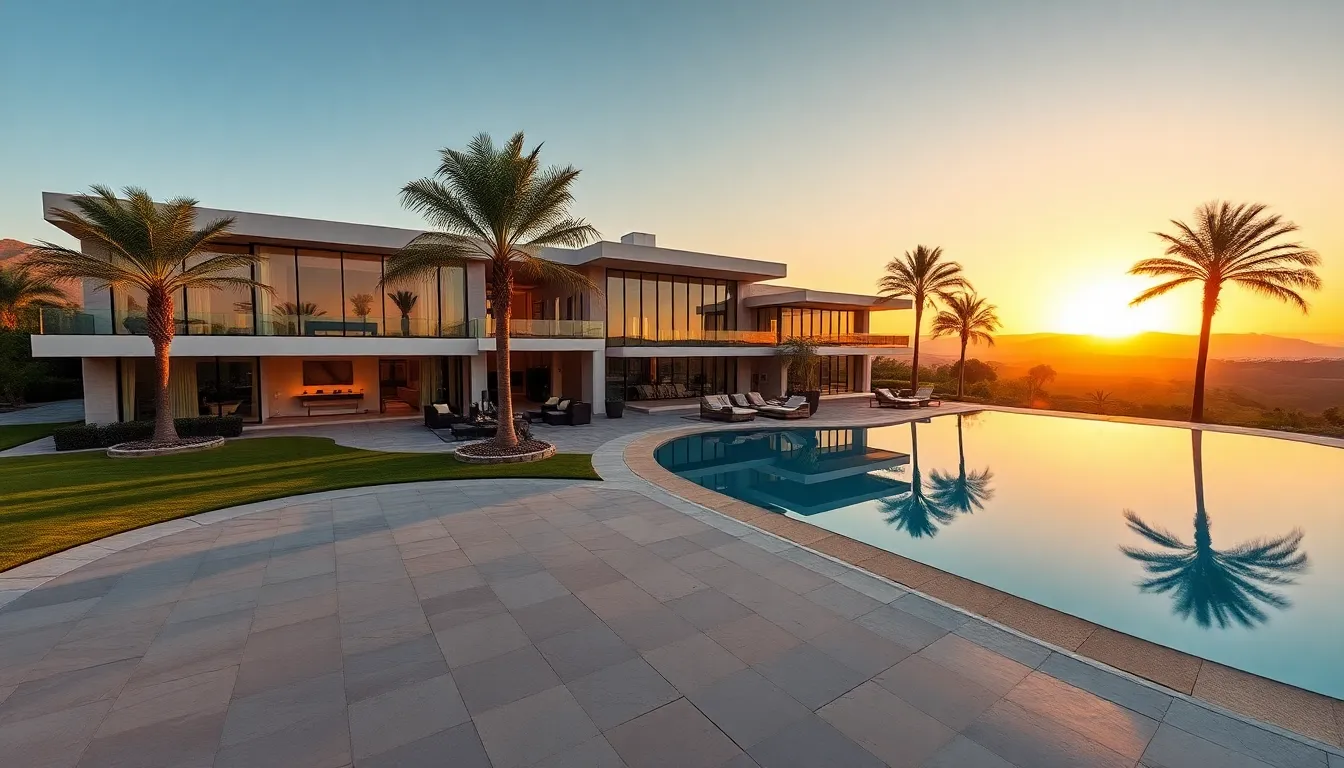
Unique features add value. Wine cellars, home theaters, infinity pools, and smart home systems appear frequently. Some properties include private docks, tennis courts, or helicopter pads.
The luxury designation also carries an emotional component. These homes evoke a feeling, a sense that the owner has arrived at a certain station in life. That intangible quality separates a merely expensive house from a true luxury property.
Iconic Luxury Home Locations Around the World
Top luxury homes cluster in specific markets known for wealth, beauty, and exclusivity. Here are the locations that consistently attract high-net-worth buyers.
Beverly Hills and Bel Air, California remain synonymous with celebrity estates. Properties here feature sprawling grounds, canyon views, and proximity to Los Angeles entertainment industries. Prices regularly exceed $20 million for notable addresses.
Monaco packs extraordinary wealth into just 0.78 square miles. The principality offers tax advantages and Mediterranean glamour. Penthouse apartments here command some of the highest per-square-foot prices globally.
London’s Mayfair and Kensington attract international buyers seeking stability and prestige. Georgian townhouses and modern penthouses serve a clientele that values British heritage and global connectivity.
Dubai has emerged as a luxury hub with ambitious projects like Palm Jumeirah. The city attracts buyers with zero income tax and architectural showpieces impossible to build elsewhere.
New York City maintains its status through trophy properties in Manhattan. The Billionaires’ Row stretch along Central Park South features supertall towers with panoramic views.
The Hamptons on Long Island provide an escape for New York’s elite. Oceanfront estates here blend traditional architecture with modern amenities.
Other notable markets include the French Riviera, Aspen, Sydney’s Eastern Suburbs, and Singapore’s Sentosa Cove. Each offers distinct advantages, climate, tax structures, lifestyle, or investment potential.
Must-Have Features in High-End Residences
Today’s top luxury homes include amenities that seemed futuristic a decade ago. Buyers expect certain features as standard.
Smart home integration controls lighting, climate, security, and entertainment through unified systems. Voice activation and smartphone apps manage everything from window shades to irrigation.
Wellness spaces have become essential. Home gyms with commercial-grade equipment, spa bathrooms with steam showers, and meditation rooms address health-conscious lifestyles. Some properties include full-size indoor pools.
Chef’s kitchens feature professional-grade appliances, multiple ovens, wine storage, and butler’s pantries. Sub-Zero refrigerators, Wolf ranges, and Miele dishwashers appear frequently.
Outdoor living areas extend usable space. Covered patios, outdoor kitchens, fire features, and resort-style pools create entertainment zones. In warm climates, these spaces see year-round use.
Home theaters offer cinema-quality experiences. Acoustic treatments, tiered seating, 4K projection, and Dolby Atmos sound systems deliver immersive viewing.
Security systems protect valuable properties. Gated entries, surveillance cameras, panic rooms, and biometric access provide multiple layers of protection.
Sustainability features gain importance among luxury buyers. Solar panels, geothermal heating, EV charging stations, and water reclamation systems appeal to environmentally conscious owners.
Car galleries showcase vehicle collections. Climate-controlled spaces with specialty lighting and lifts accommodate multiple automobiles.
These features reflect how owners actually use luxury homes, for entertaining, wellness, work, and displaying personal interests.
Current Trends Shaping the Luxury Real Estate Market
Several trends influence how top luxury homes are designed, marketed, and purchased in 2025.
Remote work permanence has shifted buyer priorities. Home offices now rival master suites in importance. Properties with dedicated work spaces, reliable connectivity, and video-call-ready rooms command premiums.
Wellness architecture goes beyond gym space. Developers incorporate circadian lighting, air filtration systems, non-toxic materials, and biophilic design principles. The WELL Building Standard certification carries weight with informed buyers.
Privacy has increased in value. Gated communities, large lot sizes, and properties shielded from public view attract buyers who prize discretion. This trend accelerated during the pandemic and hasn’t reversed.
Branded residences expand globally. Hotel chains like Four Seasons, Ritz-Carlton, and Aman attach their names to luxury developments. Buyers receive hotel-level services, concierge, housekeeping, dining, within residential settings.
International diversification motivates purchases. Wealthy individuals spread risk by owning properties across multiple countries. This strategy provides lifestyle flexibility and potential tax advantages.
Sustainability requirements tighten. California now mandates solar on new homes. European markets enforce energy efficiency standards. Luxury buyers increasingly expect green features as baseline rather than premium add-ons.
Technology integration deepens. AI-powered systems learn owner preferences and adjust environments automatically. Properties without modern smart infrastructure face obsolescence concerns.
These trends suggest luxury real estate will continue evolving toward greater personalization, wellness focus, and environmental responsibility.