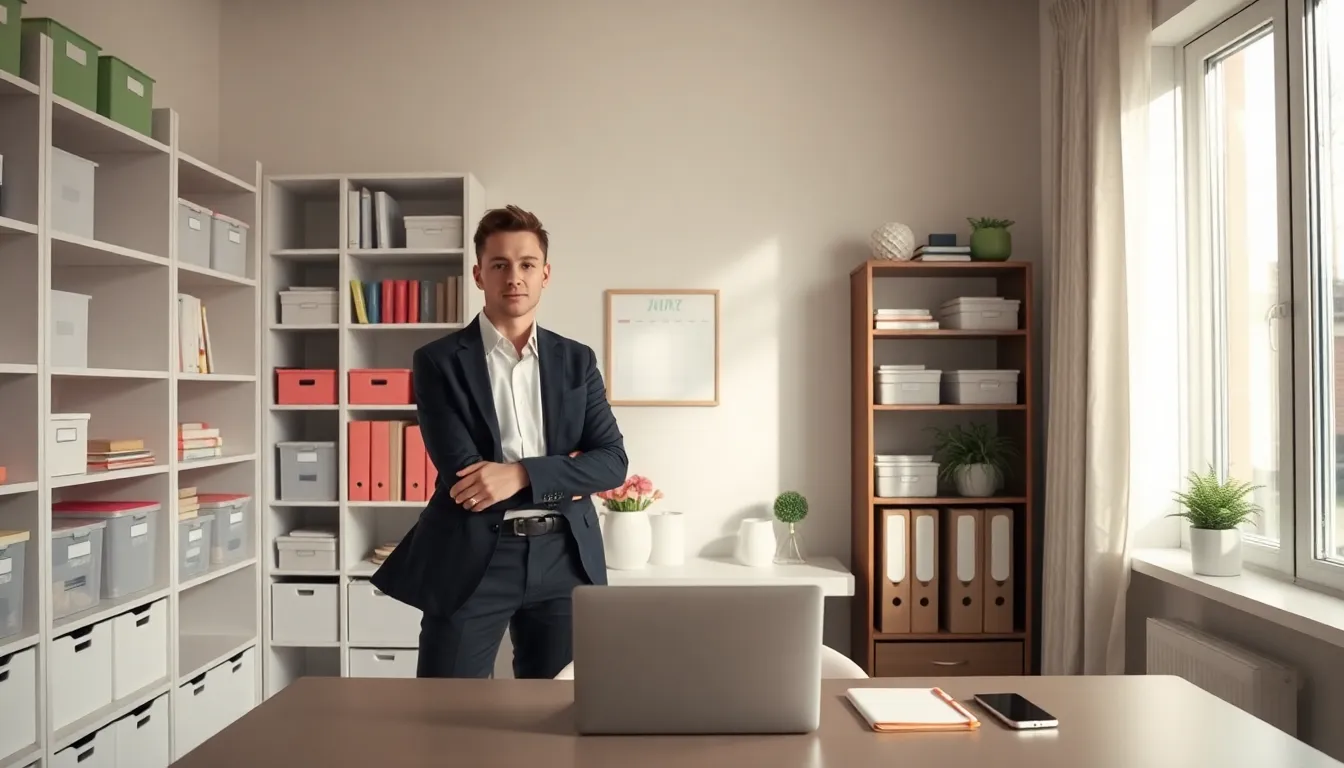
Top organization skills separate high performers from those who constantly feel overwhelmed. Clutter, whether physical or digital, drains mental energy and slows decision-making. Research from Princeton University found that visual clutter competes for attention, reducing focus and increasing stress.
The good news? Organization is a skill anyone can learn. This guide covers practical strategies for home, workspace, and digital environments. Readers will discover how to create systems that stick and maintain them over time. Whether someone struggles with overflowing closets or an inbox with 10,000 unread emails, these methods deliver real results.
Table of Contents
ToggleKey Takeaways
- Top organization skills can save you over 220 hours per year by eliminating time wasted searching for misplaced items.
- Use the “one in, one out” rule to prevent clutter accumulation—remove one item for every new item you bring home.
- Clear your desk at the end of each workday to create a fresh start and maintain workspace productivity.
- Apply the inbox zero method to digital organization by processing every email to a decision: respond, delegate, defer, or delete.
- Build daily micro-habits like a 10-minute evening reset to maintain top organization without marathon cleaning sessions.
- Adapt your systems to life changes—the best organization system is one you’ll actually use consistently.
Why Organization Matters for Daily Success
Organization directly impacts productivity, stress levels, and overall quality of life. A study by the National Association of Productivity and Organizing Professionals found that the average person wastes 4.3 hours weekly searching for misplaced items. That adds up to more than 220 hours per year, nearly six full work weeks.
Beyond time savings, top organization practices reduce cognitive load. The brain processes organized spaces faster than chaotic ones. When everything has a designated place, decision fatigue decreases. People spend less mental energy figuring out where things are and more energy on meaningful tasks.
Organization also affects mental health. The American Psychological Association reports that cluttered environments correlate with higher cortisol levels. Messy spaces trigger the brain’s stress response, even when people don’t consciously notice the disorder.
Financial benefits exist too. Disorganized individuals often buy duplicate items because they can’t find what they already own. They miss bill payments, incur late fees, and lose track of subscriptions. A solid organization system prevents these costly mistakes.
The ripple effects extend to relationships and self-esteem. People feel more confident inviting others into organized homes. They experience less friction with family members over lost items or messy shared spaces. Organization creates a foundation for success in multiple life areas.
Essential Strategies for Home Organization
Home organization starts with decluttering. The most effective method involves sorting items into four categories: keep, donate, trash, and relocate. Tackle one room or area at a time to avoid overwhelm.
The “one in, one out” rule prevents future accumulation. For every new item that enters the home, one similar item leaves. This simple practice maintains equilibrium and stops clutter before it starts.
Storage Solutions That Work
Vertical storage maximizes space in small homes. Wall-mounted shelves, over-door organizers, and stackable bins use height instead of floor space. Clear containers allow quick identification of contents without opening each one.
Labeling transforms any storage system. Even family members who didn’t set up the organization can maintain it when labels clearly mark where items belong. A label maker costs under $30 and pays for itself in saved time.
Room-by-Room Approach
Kitchens benefit from zone organization. Group cooking tools near the stove, prep items near cutting boards, and storage containers near the refrigerator. This reduces steps during meal preparation.
Bedrooms stay cleaner with a “landing zone” near the door for daily items like keys, wallets, and phones. Closets work best when organized by category, then color. This system makes outfit selection faster.
Bathrooms need regular purging of expired products. Most people keep medications and cosmetics well past their effective dates. A quarterly check keeps these spaces functional and safe.
Effective Workspace Organization Techniques
Top organization in the workspace directly correlates with job performance. A clean desk signals professionalism and enables focused work. Studies show workers in organized offices are 40% more productive than those surrounded by clutter.
The first step involves removing everything from the desk surface. Then, add back only essential daily items: computer, phone, notepad, and a few frequently used tools. Everything else goes in drawers or storage.
The Desktop Reset Habit
High performers clear their desks at the end of each workday. This five-minute ritual creates a fresh start each morning. It also forces daily decisions about loose papers and items that accumulated.
A filing system handles paper overflow. Three trays work well: inbox, in-progress, and to-file. Process the inbox daily. Move completed items to filing weekly. This prevents paper pile-ups that hide important documents.
Organizing Supplies and Equipment
Desk drawers need dividers to prevent junk accumulation. Assign each drawer a purpose: one for writing supplies, one for technology accessories, one for personal items. Drawer organizers cost a few dollars and transform chaotic spaces.
Cable management improves both aesthetics and function. Velcro ties, cable boxes, and cord clips eliminate the tangled mess behind desks. Wireless alternatives further reduce cable clutter when budget allows.
For those who work from home, physical boundaries matter. A dedicated workspace, even a small one, signals to the brain that it’s time to focus. This separation also helps with work-life balance.
Digital Organization for a Streamlined Life
Digital clutter slows devices and overwhelms users just like physical clutter. The average person has 40+ apps on their phone, yet uses fewer than 10 regularly. Deleting unused apps improves device performance and reduces distraction.
Top organization in the digital space starts with email. The inbox zero method involves processing every email to a decision: respond, delegate, defer, or delete. Unsubscribe from newsletters that go unread. Use filters to auto-sort important messages into folders.
File Management Systems
Cloud storage works best with a clear folder hierarchy. Start with broad categories (Work, Personal, Finance) and create subfolders within each. Use consistent naming conventions with dates in YYYY-MM-DD format for easy chronological sorting.
Regular file purging prevents digital hoarding. Set a quarterly reminder to review downloads folders, desktop files, and cloud storage. Delete duplicates and outdated documents.
Photo and Media Organization
Photos overwhelm many people. Start by deleting obviously bad shots, blurry images, duplicates, and screenshots no longer needed. Use album features to group photos by event, person, or year.
Password managers solve the security-versus-memory dilemma. Tools like Bitwarden or 1Password store credentials securely while generating strong unique passwords. This eliminates the need for sticky notes with login information.
Browser bookmarks deserve attention too. Delete dead links and organize remaining bookmarks into folders. Extensions like OneTab can consolidate open tabs into a single list, reducing browser clutter.
Maintaining Your Organized Systems Long-Term
Creating organization is the easy part. Maintenance separates temporary tidiness from lasting transformation. The key lies in building habits rather than relying on willpower.
Daily micro-habits maintain top organization without requiring marathon cleaning sessions. A 10-minute evening reset, putting items back, wiping surfaces, preparing for tomorrow, prevents disorder from accumulating.
Weekly reviews catch problems before they grow. Spend 30 minutes each weekend assessing what’s working and what needs adjustment. Systems that don’t fit actual behavior need modification, not more effort.
Building Sustainable Routines
Habit stacking connects organization tasks to existing routines. For example: “After I pour my morning coffee, I’ll process three emails.” This technique uses established behaviors as triggers for new ones.
Seasonal purges address items that escape daily notice. Each season, review one major area: closets in spring, garage in summer, kitchen in fall, office in winter. This rotation ensures nothing gets neglected long-term.
Handling Setbacks
Organization lapses happen to everyone. Illness, busy periods, and life changes disrupt even the best systems. The goal isn’t perfection, it’s quick recovery.
When chaos returns, focus on high-impact areas first. Clear the kitchen counter. Empty the inbox. Tidy the workspace. These visible wins build momentum for tackling larger messes.
Flexibility matters more than rigidity. Systems should adapt to life changes like new jobs, moves, or family additions. What worked before might need adjustment. The best organization system is one that actually gets used.