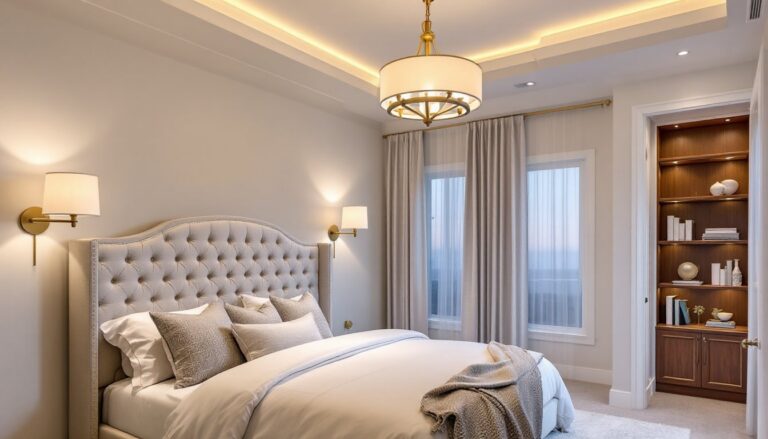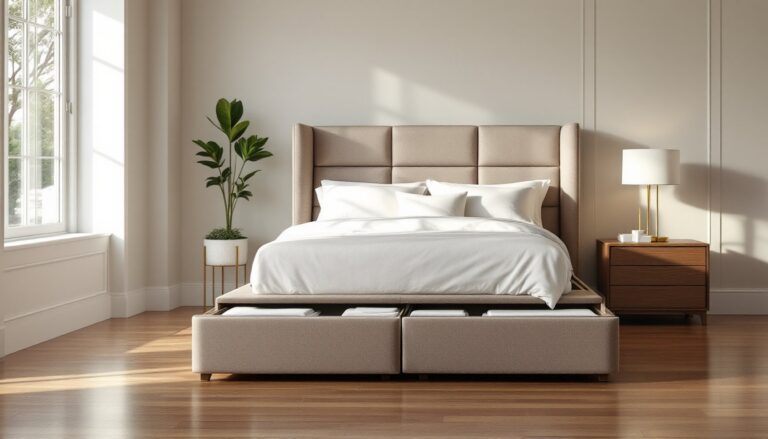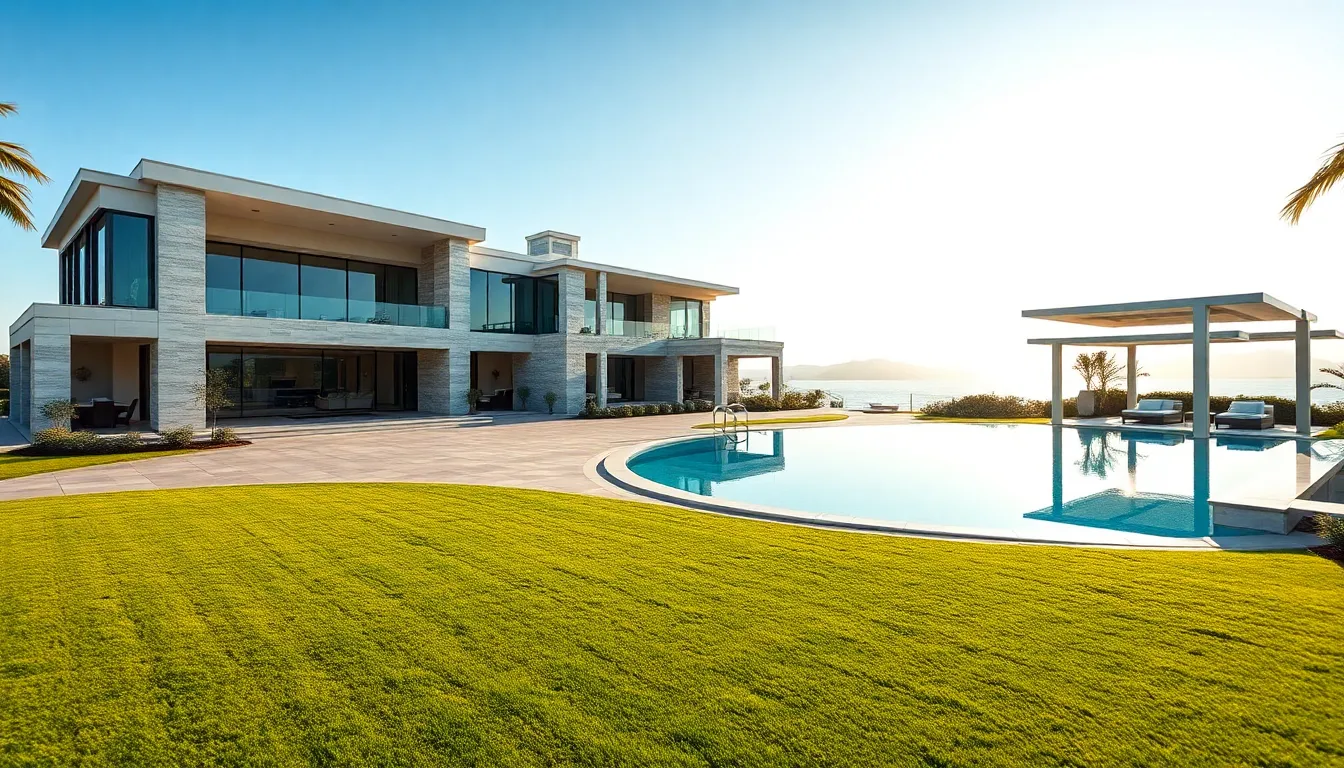
A luxury home represents the highest tier of residential real estate. These properties combine prime locations, superior construction, and exceptional amenities to create living spaces that exceed standard expectations. But what exactly qualifies a home as “luxury”? The answer involves more than just a high price tag.
Luxury homes typically start around $1 million in most U.S. markets, though this threshold varies significantly by region. In cities like New York or San Francisco, entry-level luxury homes often exceed $3 million. Price alone doesn’t define luxury real estate, the combination of location, craftsmanship, and exclusive features sets these properties apart from conventional homes.
Table of Contents
ToggleKey Takeaways
- Luxury homes combine prime locations, superior construction, and exceptional amenities—not just high price tags—to stand apart from standard properties.
- Entry-level luxury homes typically start around $1 million, though prices exceed $3 million in cities like New York and San Francisco.
- Key characteristics of luxury homes include 3,000+ square feet, premium materials like marble and hardwood, smart home technology, and advanced privacy features.
- Location drives luxury home value, with waterfront properties, urban penthouses, and estates in prestigious neighborhoods commanding the highest prices.
- High-end amenities such as home theaters, wine cellars, resort-style pools, and wellness spaces transform luxury homes into elevated living experiences.
- Luxury homes exceed standard building codes, offer extensive customization, and include commercial-grade systems that ensure comfort and longevity.
Defining Characteristics of Luxury Homes
Luxury homes share several core characteristics that distinguish them from standard properties. Size matters, but it’s not everything. Most luxury homes offer at least 3,000 to 5,000 square feet of living space, with many estates spanning 10,000 square feet or more.
Construction quality defines luxury real estate. These homes feature premium materials like marble, hardwood, natural stone, and custom millwork. Builders use superior techniques that ensure longevity and structural integrity. Every detail receives attention, from hand-laid tile to custom cabinetry.
Architectural significance plays a major role. Luxury homes often showcase distinctive design, whether that means historic character, contemporary minimalism, or bold artistic vision. Many luxury properties carry the signature of renowned architects or designers.
Privacy and security rank high among luxury home characteristics. Gated entrances, advanced security systems, and strategic landscaping create separation from the outside world. Buyers at this level expect discretion and protection.
Smart home technology has become standard in luxury real estate. Automated lighting, climate control, entertainment systems, and security features integrate seamlessly throughout these properties. Homeowners can control virtually every aspect of their environment through centralized systems.
Prime Location and Exclusivity
Location fundamentally shapes luxury home value. The most sought-after luxury homes occupy prime real estate, waterfront properties, mountain retreats, urban penthouses, or estates in prestigious neighborhoods.
Waterfront locations command premium prices in the luxury market. Oceanfront estates in Malibu, lakefront properties in Lake Tahoe, and riverfront homes in exclusive communities attract buyers willing to pay significantly more for water access and views.
Urban luxury homes cluster in specific neighborhoods known for prestige and convenience. Manhattan’s Upper East Side, Beverly Hills, Miami’s Star Island, and Chicago’s Gold Coast represent classic luxury home destinations. These areas offer proximity to high-end dining, cultural institutions, and exclusive social circles.
Exclusivity defines luxury real estate locations. Gated communities, private islands, and limited-access developments restrict entry to residents and approved guests. This exclusivity creates both security and social cachet.
Views and natural surroundings add substantial value to luxury homes. Panoramic city skylines, mountain vistas, golf course frontage, and mature landscaping enhance desirability. Many luxury home buyers prioritize what they see from their windows as much as the home itself.
Neighborhood reputation matters enormously. Luxury homes located near excellent schools, low crime areas, and established wealth tend to hold value better than isolated properties.
High-End Amenities and Features
Luxury homes offer amenities that transform daily living into an elevated experience. These features go far beyond what standard homes provide.
Indoor Amenities:
- Professional-grade kitchens with commercial appliances, butler’s pantries, and wine storage
- Home theaters with stadium seating and acoustic engineering
- Indoor pools, spas, and fitness centers
- Home offices and libraries with custom built-ins
- Wine cellars designed for proper temperature and humidity control
- Elevator access across multiple floors
Outdoor Features:
- Resort-style pools with infinity edges, grottos, and swim-up bars
- Outdoor kitchens and entertainment pavilions
- Tennis courts, basketball courts, and putting greens
- Guest houses and staff quarters
- Multi-car garages with climate control and specialty storage
Luxury homes incorporate wellness features increasingly. Steam rooms, saunas, cold plunge pools, and dedicated meditation spaces reflect buyer priorities around health and relaxation.
Finishes throughout luxury homes demonstrate attention to quality. Italian marble bathrooms, heated floors, custom closet systems, and designer fixtures appear in every room. These details create cohesive luxury experiences.
Outdoor living spaces function as extensions of indoor areas. Covered patios, fire pits, and landscape lighting allow year-round outdoor enjoyment. Many luxury homes blur indoor-outdoor boundaries through retractable glass walls and seamless flooring transitions.
How Luxury Homes Differ From Standard Properties
The gap between luxury homes and standard properties extends beyond price and size. Understanding these differences helps buyers recognize true luxury real estate.
Construction Standards:
Standard homes meet building codes, luxury homes exceed them dramatically. Foundation depth, insulation quality, window specifications, and roofing materials all surpass minimum requirements. This superior construction translates to better energy efficiency, quieter interiors, and longer lifespans.
Customization Level:
Production homes offer limited choices. Luxury homes allow extensive customization or arrive already customized to exceptional standards. Buyers can specify nearly every element, from floor plans to fixture finishes.
Land and Privacy:
Standard homes sit on typical suburban lots with neighbors close by. Luxury homes often occupy larger parcels, sometimes acres, providing buffer zones and privacy impossible in conventional developments.
Maintenance and Systems:
Luxury homes contain commercial-grade HVAC systems, whole-house generators, water purification systems, and backup power. These redundancies ensure comfort regardless of external conditions.
Investment Considerations:
Luxury homes behave differently as investments. They can appreciate significantly in strong markets but may take longer to sell due to smaller buyer pools. Location quality heavily influences long-term value retention.
The luxury home market serves buyers seeking the best available residential options. These properties represent substantial investments but deliver living experiences unavailable at lower price points.