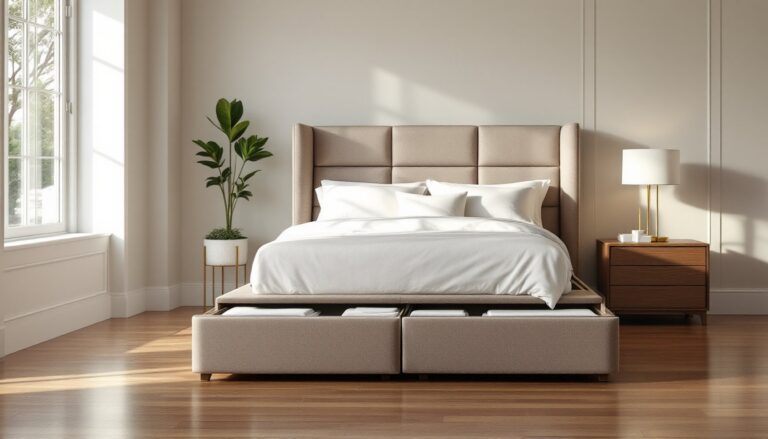
Most bedroom closets fall into two camps: they’re either too small to handle everyday essentials, or they’re spacious but poorly organized. Either way, the result is the same, wasted space, frustration during the morning rush, and clothes that never seem to find a proper home. The good news? A few strategic upgrades can turn even the most cramped reach-in or underutilized walk-in into a hardworking, stylish storage solution. Whether working with a tight footprint in a rental or planning a full custom build-out, the principles are the same: maximize vertical space, choose the right hardware, and design around actual use patterns rather than Pinterest fantasies.
Table of Contents
ToggleKey Takeaways
- Bedroom closet ideas succeed by maximizing vertical space with double-hang rod systems and upper shelves rather than wasting the upper 18–24 inches of most closets.
- Small closet organization improves dramatically with slim velvet hangers (50% more space), shelf dividers, and proper lighting like daylight-spectrum LED bulbs to find items quickly.
- Walk-in closet design requires a floor plan sketch and zoning by garment length, with hanging space allocated for long items (60–65 inches) and shorter items (38–40 inches) to create room for drawers underneath.
- Reach-in closet upgrades using adjustable shelving kits and heavy-duty rods mounted directly to studs cost $200–600 for prefab systems, eliminating the need for costly professional installation.
- Task lighting, fresh paint in light colors, and repurposing underutilized spaces like the back of the door and areas beside the frame maximize functionality without requiring a full renovation budget.
Smart Storage Solutions for Small Bedroom Closets
Small bedroom closet organization ideas start with ruthless vertical thinking. Most builder-grade closets waste the upper 18–24 inches and the floor space below hanging clothes. Install a double-hang rod system to immediately double capacity for shirts, blouses, and folded pants. The top rod should sit around 80–84 inches from the floor, the lower rod at 40–42 inches. Use adjustable closet rod sockets (available at any hardware store) so the system can adapt if needs change.
Shelf dividers keep stacks of sweaters and jeans from toppling into chaos. Wire or acrylic versions cost $10–20 for a set and prevent the avalanche effect when pulling one item. For shoes, a slant-front shoe rack on the floor or an over-the-door organizer frees up shelf real estate. Skip those flimsy fabric hanging shelves, they sag under weight and make it harder to see what’s stored.
Slim velvet hangers save roughly 50% more rod space than bulky plastic or wooden versions, and the non-slip surface keeps delicate fabrics in place. Don’t overlook the back of the closet door: add hooks rated for at least 10 pounds each (check the packaging) for bags, scarves, or tomorrow’s outfit. Heavy-duty options screw directly into the door: adhesive hooks work on hollow-core doors if the load stays light.
Lighting makes a measurable difference in small closet ideas for bedroom spaces. Battery-operated LED puck lights or a motion-sensor LED strip (often rated for 25,000+ hours) mount with adhesive backing and eliminate the guesswork of finding black pants in a dim closet. If the closet has an existing overhead fixture, swap the bulb for a daylight-spectrum LED (5000K) to render colors accurately, crucial when matching separates.
Walk-In Closet Design Ideas That Elevate Organization
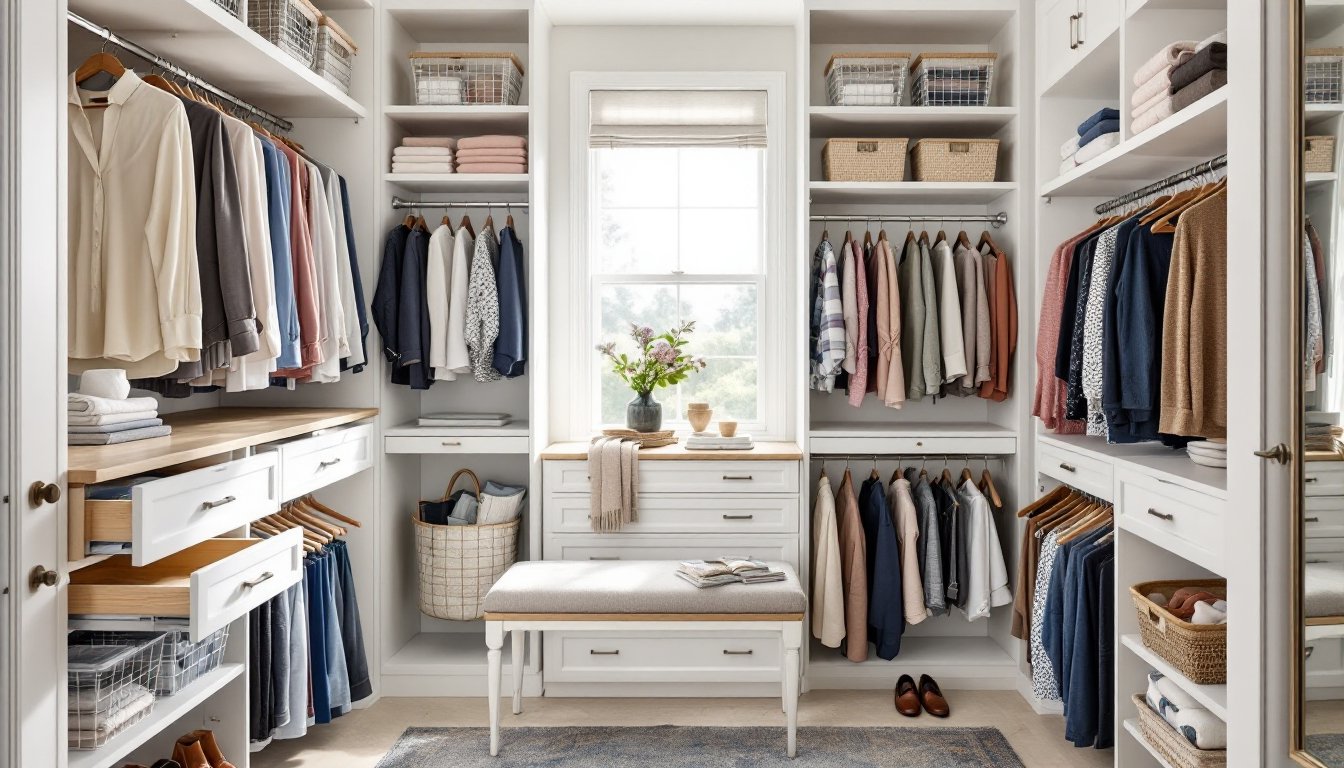
Walk-ins offer flexibility that reach-ins can’t match, but only if the layout reflects how clothes and accessories are actually used. Start by measuring the room and sketching a scaled floor plan on graph paper (¼-inch scale is standard). Mark the door swing, any windows, and HVAC vents that can’t be blocked. Most walk-ins benefit from an L-shaped or U-shaped configuration, with hanging rods on two or three walls and open floor space in the center for dressing.
Allocate hanging zones by garment length: long coats and dresses need 60–65 inches of clearance, while shirts and jackets only require 38–40 inches. That shorter hanging zone creates room for drawers or shelves underneath, don’t let that space go to waste. When designing closet bedroom ideas, aim for at least 24 inches of clearance in the walking aisle: 36 inches is more comfortable if the room allows.
Custom Shelving and Built-In Systems
Prefab closet systems from brands like ClosetMaid or Rubbermaid are modular, affordable (often $200–600 for a typical walk-in), and DIY-friendly. They use a combination of wire or laminate shelving, hanging rods, and drawers that mount to wall standards or directly to studs. Wire shelving is budget-conscious but can leave imprints on knits: laminate or wood alternatives cost more but provide a finished look and gentler support for folded items.
For a truly custom approach, work with a closet design company or a skilled carpenter to build floor-to-ceiling cabinetry. Expect to pay $1,500–5,000+ depending on materials (melamine vs. hardwood), finish complexity, and hardware quality. Built-ins can incorporate features like pull-out pant racks, felt-lined jewelry trays, and adjustable shelving that spans the full wall height. If going custom, specify ¾-inch plywood or MDF for shelves longer than 36 inches to prevent sagging under the weight of folded jeans or shoe boxes.
Many homeowners drawn to small-space living solutions appreciate modular systems that adapt over time. Slotted standards let shelves and rods move up or down in 1-inch increments, so the closet grows with changing wardrobes or even new occupants.
Island and Seating Options for Luxury Walk-Ins
If the walk-in is at least 8 × 10 feet, consider adding a central island or dresser. A freestanding piece (36–48 inches long, 18–24 inches deep) with drawers provides a home for undergarments, accessories, and folded casual wear, plus a top surface for staging outfits or displaying a jewelry tray. For built-in islands, ensure drawers have soft-close slides rated for 75–100 pounds, cheap slides fail quickly and create frustration.
A small upholstered bench or ottoman (16–20 inches tall) offers a perch for pulling on shoes and adds a finished, boutique feel. If budget and space allow, install a full-length mirror (at least 48 inches tall, ideally 60+ inches) on a wall or the back of the door. Leaning mirrors work in a pinch but can tip: anchor them with furniture straps if kids or pets are in the home.
Task lighting is non-negotiable in larger walk-ins. Recessed LED cans on a dimmer switch provide even, shadow-free illumination. For a polished touch, add LED strip lights inside shelving units or along the underside of upper shelves, this highlights hanging garments and makes color matching effortless.
Reach-In Closet Upgrades for Maximum Functionality
Reach-in closets dominate most bedrooms, and upgrading them doesn’t require a full gut. Start by removing the builder-grade single rod and fixed shelf, then installing an adjustable shelving kit. These kits use vertical tracks (mount directly to studs with #8 screws, typically 2 inches long) and movable brackets that hold shelves and rods. Brands like Rubbermaid FastTrack or Elfa systems are widely available and handle moderate to heavy loads when installed correctly.
Double-check stud locations with a stud finder before drilling, drywall anchors alone won’t support a loaded closet rod. Standard spacing for wall studs is 16 inches on center in most residential construction, though older homes sometimes use 24-inch spacing. If studs don’t line up where the track needs to go, use heavy-duty toggle anchors rated for at least 50 pounds per anchor, though direct stud mounting is always preferable.
For bedroom closet design ideas that emphasize accessibility, place the most-used items at eye level (roughly 48–60 inches off the floor) and reserve upper shelves for seasonal storage or items in labeled bins. Clear plastic bins let users see contents at a glance: cardboard boxes look tidy but require labeling and eventual replacement as they sag.
Consider adding pull-out baskets or wire drawers for items that don’t hang well, workout gear, pajamas, or bulky sweaters. These typically mount to the side walls or a center support panel and glide on ball-bearing slides. Choose slides rated for the expected load: a basket of heavy knits can easily weigh 15–20 pounds.
Many budget renovation enthusiasts recommend swapping standard closet rods for heavy-duty oval rods, which resist bending better than round rods of the same diameter. A 1⅜-inch oval steel rod can support 80+ pounds when mounted to studs 48 inches apart, compared to 40–50 pounds for a standard round rod. If the closet is wider than 6 feet, add a center support bracket to prevent bowing.
Don’t overlook the value of a fresh coat of paint inside the closet. Light colors (whites, soft grays) reflect available light and make the space feel larger. Use a satin or semi-gloss finish for easier cleaning, flat paint shows scuffs and is harder to wipe down. If the closet smells musty, address ventilation before organizing: a small battery-powered fan or leaving the door open periodically can reduce moisture buildup.
Finally, repurpose underutilized spaces. The narrow wall beside the door frame often accommodates a shallow organization system for belts, ties, or small accessories. Hooks, pegboards, or slat-wall panels mount easily and keep frequently grabbed items visible. Expert strategies from closet organization pros often emphasize using every square inch, including corners and the space above the door frame for rarely accessed bins.
Conclusion
Transforming a bedroom closet doesn’t demand a contractor or a five-figure budget, just a clear-eyed assessment of what’s not working and a willingness to install a few well-chosen components. Measure twice, mount to studs, and design around real daily routines rather than idealized magazine spreads. The result is a closet that actually earns its square footage.