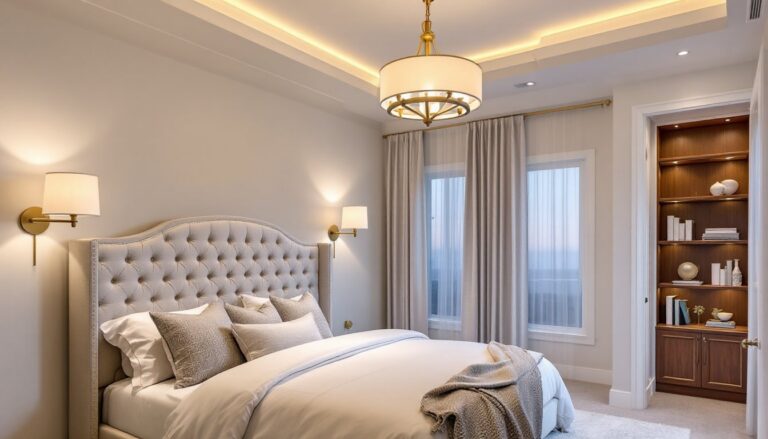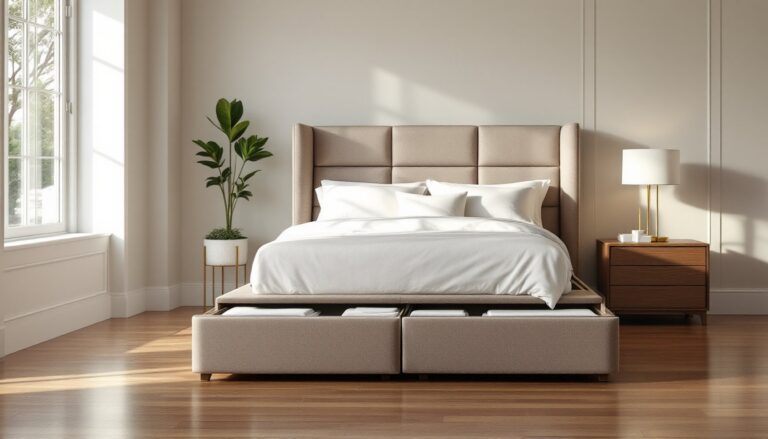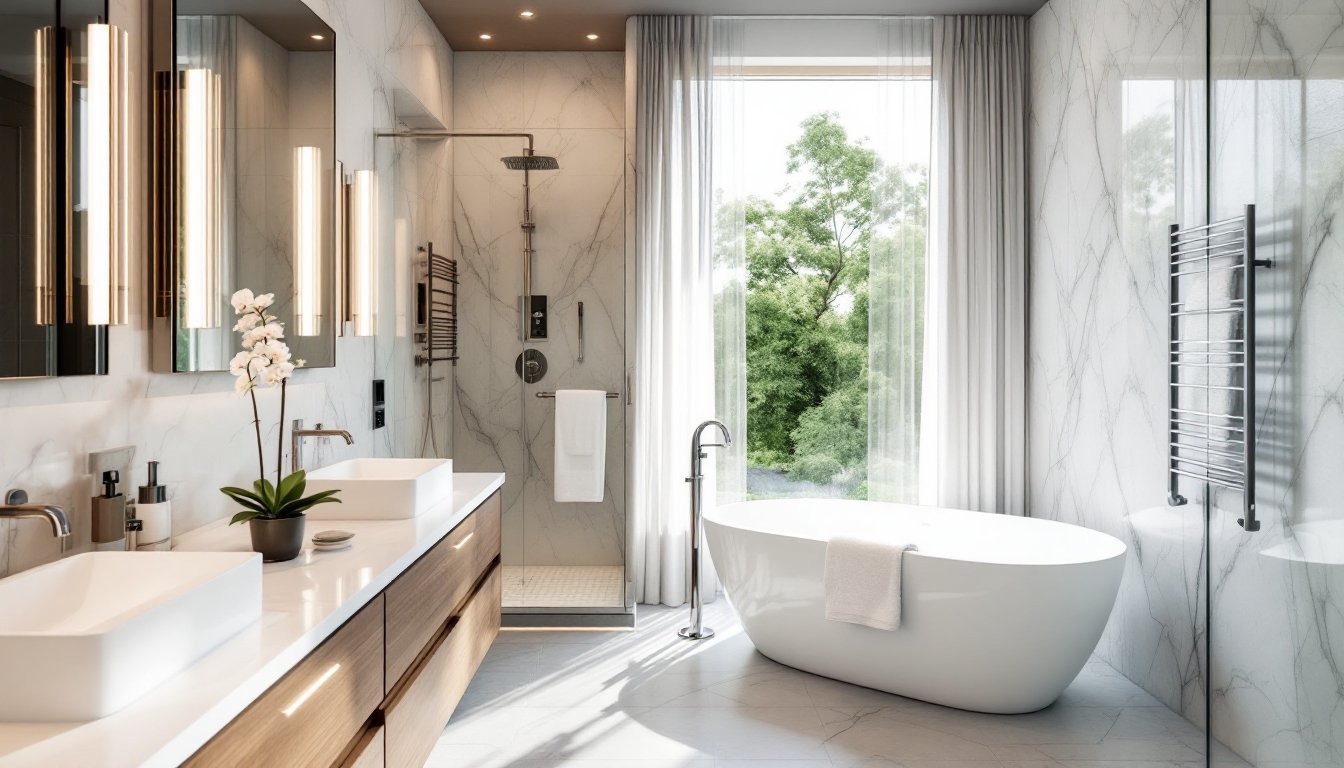
A luxury bathroom isn’t just about aesthetics, it’s about creating a daily escape from the noise of everyday life. The right features can turn a utilitarian space into a personal sanctuary that rivals any high-end spa. From heated floors that greet cold feet on winter mornings to rainfall showers that melt away tension, these upgrades deliver tangible comfort and lasting value. This guide walks through the essential luxury bathroom features that combine function, craftsmanship, and genuine relaxation, no fluff, just practical choices that work.
Table of Contents
ToggleKey Takeaways
- Luxury bathroom features like thermostatic shower valves, rainfall showerheads, and steam generators create spa-quality experiences while delivering safety, comfort, and consistent performance in daily use.
- Freestanding soaking tubs and high-end fixtures require structural planning—verify floor joists can support 700+ lbs when filled with water and occupants.
- Custom hardwood vanities with quality materials, soft-close hardware, and quartz countertops resist moisture and staining while providing seamless aesthetics and lasting durability.
- Radiant floor heating under large-format tile or natural stone eliminates cold mornings while offering energy efficiency and a sophisticated, minimalist look.
- Smart mirrors, digital shower controls, and heated toilets bring convenience and technology, but installation requires proper electrical circuits, neutral wires, and professional plumbing expertise.
- Designer lighting with layered task, ambient, and accent elements creates flexibility for different moods and activities, enhanced with waterproof, GFCI-protected fixtures in wet zones.
Spa-Inspired Shower Systems for Ultimate Relaxation
A spa-quality shower starts with the right valve and fixture combination. Thermostatic shower valves maintain precise water temperature within ±2°F, even when someone flushes a toilet or starts the dishwasher elsewhere in the house. These valves cost $300–$900 but prevent scalding and deliver consistent comfort.
Rainfall showerheads mounted directly overhead, typically 10 to 16 inches in diameter, create an immersive experience. Pair them with wall-mounted body sprays (installed at heights of 42″, 52″, and 62″ to target shoulders, mid-back, and lower back) for full-body coverage. Expect to use 6–10 gallons per minute total for a multi-spray system, which makes a tankless water heater or high-recovery tank essential.
Steam generators transform a standard shower into a steam room. Most residential units run on 240V and require a sealed enclosure with slope-top or angled ceiling to prevent condensation drips. Models from brands like Mr. Steam or Steamist size by cubic footage, calculate ceiling height × width × depth to match the right generator capacity.
Installation requires a licensed plumber and electrician. Steam generators need dedicated circuits, and body sprays require proper valve manifolds and adequate supply lines (typically ¾-inch copper or PEX). Tile installers should pitch the shower floor correctly (¼” per foot slope toward the drain) to handle increased water volume.
Safety note: Install grab bars rated for 250+ lbs near controls and seating areas. Wet tile plus steam equals slip hazards.
High-End Bathtubs That Make a Statement
Freestanding soaking tubs anchor luxury bathrooms both visually and functionally. Acrylic tubs retain heat well, weigh less than cast iron (200–300 lbs empty vs. 300–500 lbs), and cost $800–$3,000 for quality models. Cast iron tubs with enamel finishes last decades but require reinforced flooring, check joist span tables if installing on a second floor. Some situations demand sistering joists or adding blocking.
For serious soakers, Japanese-style soaking tubs (ofuro) run 24–27 inches deep compared to standard 14–16 inches. The upright posture uses less water while providing full-body immersion. Copper and stone tubs offer thermal mass that keeps water hot longer but start around $3,000–$8,000.
Air-jet tubs push warm air through dozens of tiny jets for a gentle massage without the plumbing complexity of whirlpool systems. Whirlpool tubs recirculate water through dedicated jets, they feel more powerful but require access panels for pump maintenance and GFCI-protected electrical connections. Both need 60+ gallon capacities and robust water heaters. Many high-end residential designs integrate statement tubs as focal points in master suites.
Deck-mounted or floor-mounted tub fillers with hand showers add convenience and visual impact. Floor-mount models require running supply lines through the subfloor, not a DIY job in existing homes without crawl space access.
Structural consideration: Verify floor joists can handle the load. A 60-gallon tub filled with water plus a person exceeds 700 lbs concentrated in one area.
Premium Vanities and Custom Cabinetry
Custom vanities built from hardwood plywood with dovetailed drawers and soft-close hardware outlast stock cabinets by decades. Face frames made from solid maple, cherry, or white oak support heavy stone countertops and resist moisture better than particleboard cores. Expect $3,000–$8,000 for a quality double vanity with storage optimized for the space.
Floating vanities mounted to wall studs with steel brackets create a modern look and simplify floor cleaning. Installation requires locating studs (16″ or 24″ on center) and using ½” or ¾” lag bolts rated for the total weight. Some designs need a cleat system screwed into blocking between studs.
Quartz countertops dominate luxury bathrooms, they resist staining, need no sealing, and handle 400°F straightening irons without scorching. Thickness options include standard ¾” and premium 1¼”. Undermount sinks paired with quartz create seamless surfaces with no caulk joints to mildew. Quartzite and marble offer natural beauty but require annual sealing and gentle pH-neutral cleaners.
Integrated outlets inside drawers keep countertops clear while powering electric toothbrushes and hair tools. These require GFCI protection per NEC Article 406.12. Medicine cabinets recessed between studs (14½” wide for 16″ stud spacing) maximize storage without protruding into the room.
Pro tip: Drawer organizers with custom inserts for specific products prevent the jumbled mess that defeats even the nicest cabinetry. Measure drawer interiors before ordering dividers.
Smart Technology and Automated Comfort Features
Smart mirrors with integrated LED lighting, defoggers, and touchscreen controls bring technology where it’s actually useful. Models from brands like Kohler Verdera Voice or Electric Mirror include voice assistants, news feeds, and weather updates. Defogger pads (installed behind the mirror glass) prevent condensation without wiping, they draw 20–40 watts and connect to the light switch circuit.
Digital shower controls from Kohler, Moen, or Delta allow users to preset water temperature, flow rate, and even music selection via smartphone apps. These systems cost $1,500–$3,000 installed and require both plumbing and low-voltage wiring. Some models include remote start, warm up the shower from bed on cold mornings.
Motion-sensor faucets and touchless flush systems reduce surface contact and save water. Infrared sensors need line-of-sight to hands or body, so placement matters. Battery-powered models offer easier retrofit installation than hardwired options but require battery changes every 1–3 years.
Smart toilets with bidet functions, heated seats, auto-open lids, and built-in night lights deliver comfort and hygiene. Toto, Kohler, and American Standard offer models from $1,000–$5,000. They require dedicated 120V GFCI outlets within 3 feet of the toilet location, not always code-required in older homes but necessary for installation. Contemporary bathroom design trends increasingly prioritize these integrated tech features.
Installation note: Most smart features need neutral wires in switch boxes. Older homes sometimes lack neutrals, requiring rewiring or smart switches that don’t need them.
Luxury Flooring and Heated Surfaces
Radiant floor heating transforms cold tile into a warm surface that heats the entire bathroom more efficiently than forced air. Electric mat systems install directly under tile or stone, running on 120V or 240V depending on room size. Expect $10–$20 per square foot installed, including a programmable thermostat.
Installation happens after subfloor prep but before tile. Spread self-leveling compound if needed (max ⅛” variation per 10 feet), then roll out heating mats and secure with thin-set. Use a GFCI-protected dedicated circuit, radiant systems draw 10–15 watts per square foot. Tile setters should use large-notch trowels (½” × ½”) to ensure full mat coverage without air pockets that cause hot spots.
Large-format porcelain tile (12″ × 24″ or larger) reduces grout lines and creates a seamless look. Rectified edges allow tighter grout joints (⅛” instead of ¼”), which means less maintenance. Porcelain with through-body color hides chips better than glazed ceramic. Ratings matter, look for PEI 4 or 5 for floor durability.
Natural stone like marble, travertine, or limestone delivers luxury aesthetics but requires sealing every 6–18 months depending on porosity. Honed finishes offer better slip resistance than polished surfaces when wet. Stone costs $8–$30 per square foot for material alone.
Heated towel racks (wall-mounted or freestanding) keep towels dry and warm. Hardwired models integrate with bathroom lighting circuits: plug-in versions offer easier installation. Effective organization strategies help maximize the functionality of heated storage solutions.
Safety warning: Wear knee pads during tile installation and use wet saws with GFCI protection. Porcelain dust requires N95 masks.
Designer Lighting and Ambiance Control
Layered lighting, task, ambient, and accent, creates flexibility for different needs. Task lighting flanks mirrors at eye level (60–65″ above the floor) with vertical sconces or backlit mirrors delivering shadow-free illumination for grooming. LED strips behind mirrors provide even, color-accurate light: look for CRI 90+ ratings that render skin tones naturally.
Dimmable recessed LED downlights (4″ or 6″ IC-rated housings for insulated ceilings) provide ambient light. Space them 4–6 feet apart in an 8-foot ceiling for even coverage. Pair with dimmer switches compatible with LED drivers, not all dimmers work with all LEDs, causing flicker or limited range.
Accent lighting highlights architectural features or artwork. Small adjustable gimbal fixtures or LED tape under floating vanities add drama. Waterproof IP65-rated fixtures handle shower and tub zone moisture: standard fixtures fail quickly in wet locations.
Smart lighting systems like Lutron Caseta or Leviton Decora offer scene control, preset “morning routine,” “relaxing bath,” or “night mode” lighting levels via app or voice command. These require neutral wires and compatible LED bulbs.
Skylight or solar tubes bring natural light into interior bathrooms without windows. Tubular skylights (10″ or 14″ diameter) install between roof rafters and bounce daylight through reflective tubes, requiring only basic carpentry and roofing skills. Standard skylights need proper flashing and may require building permits. Publications like Architectural Digest frequently showcase how designer lighting transforms luxury spaces.
Code note: Bathroom lighting zones follow NEC requirements. Fixtures within tub/shower enclosures must be rated for wet locations and GFCI-protected.
Conclusion
Luxury bathroom features deliver daily comfort that justifies their upfront investment. Focus on the elements that match actual lifestyle needs, not every bathroom needs a steam shower or smart toilet. Prioritize quality materials, proper installation, and features that solve real problems rather than adding complexity. Most high-end upgrades require professional installation, especially anything involving plumbing manifolds, electrical circuits, or structural modifications. Plan carefully, hire licensed contractors when needed, and build a space that works as well as it looks.